Key Takeaways:
Water stains on apartment ceilings are not cosmetic issues – they are indicators of underlying water intrusion that can travel through shared building systems and affect multiple units before becoming visible. Because the source is often remote from where stains appear, property owners must treat every stain as a signal of broader structural or mechanical risk, not an isolated defect. Active leaks require immediate intervention, while even inactive stains should be professionally evaluated to confirm the issue was fully resolved. The most common causes include plumbing failures, appliance leaks, roof damage, HVAC issues and freeze-related pipe bursts. Rapid response is critical: within 24–48 hours, untreated moisture can lead to mold growth, structural deterioration and expanded tenant impact. Effective management requires prioritizing safety, stopping the water source, documenting damage for insurance and engaging certified restoration professionals immediately. Delays increase repair costs, complicate insurance claims and negatively affect tenant retention, making speed and coordination essential to protecting both the building and its long-term operating performance.
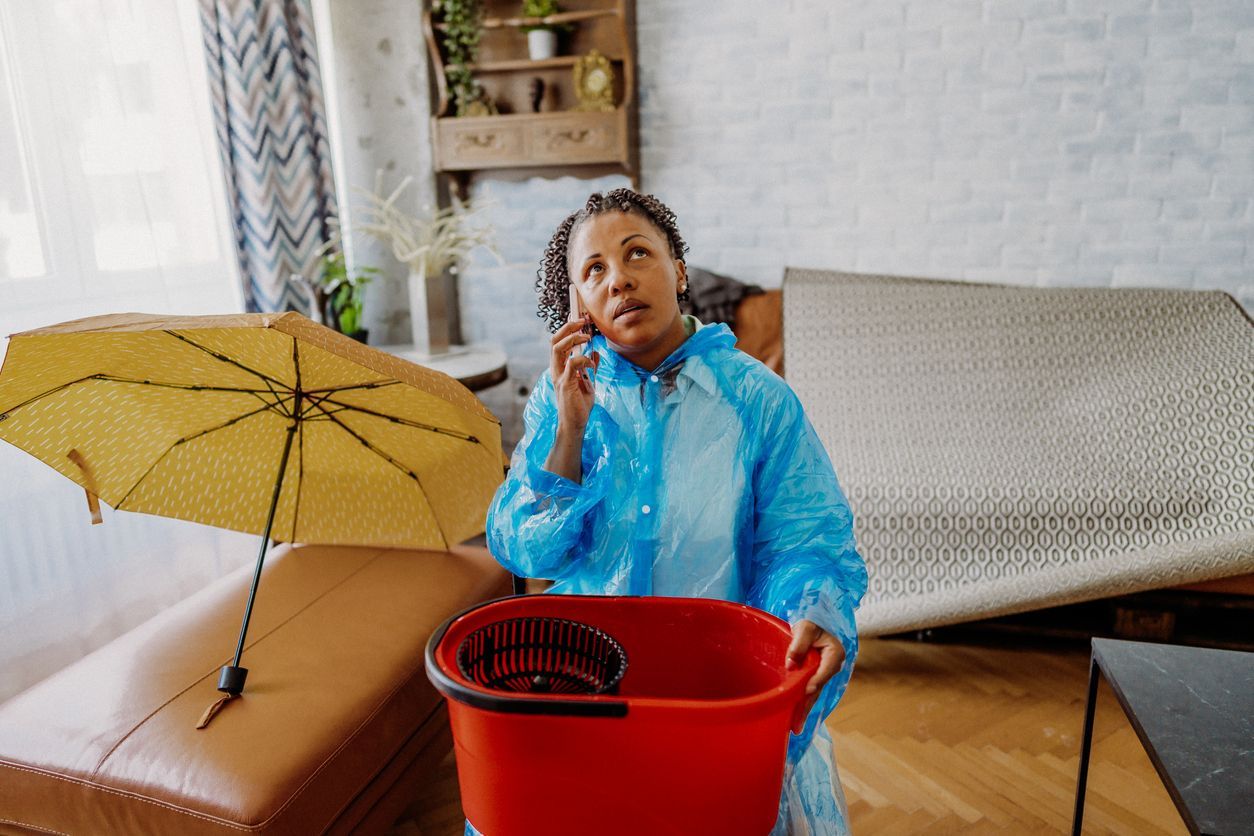
Very few issues in your apartment building should be greater cause for concern than water stains on tenant ceilings. Water stains are typically a sign that your building has sustained
water damage. Due to the shared infrastructure and interconnected systems in multi-family buildings, water damage has the ability to impact multiple units and tenants. Managing these issues is critical to maintaining safe conditions in your building and avoiding serious problems with your tenants.
What Ceiling Water Stains Indicate
It’s important to understand that ceiling stains are evidence that water damage has occurred, but it doesn’t necessarily tell you the source of the water damage. Water rarely stays at the point where it enters the building. It moves through the building’s framing, insulation, and the spaces between structural elements. In many instances, the water damage has migrated far from the source and impacted a larger area of the building by the time any of your tenants develops a ceiling stain.
Water stains develop over time. This typically indicates the presence of hidden water damage caused by slow-moving moisture which doesn’t lead to a visible leak in your tenants’ apartments. In stacked apartment layouts, shared walls and ceilings provide numerous pathways for water to travel before the problem is ever detected. For this reason, it’s common for multiple “isolated” stains in different apartment units to all trace back to a single source of water damage.
When you see ceiling water stains in your building, it’s important to determine whether they’re from an active leak. Active leaks indicate an ongoing issue that requires immediate water damage restoration services to prevent additional damage. In general, water stains from an active leak will:
· Be damp or cool when you touch them
· Change size and shape over time
· Result in elevated readings on a moisture meter
Older leaks which are no longer active will typically remain dry and have a stable size. While these stains may primarily be cosmetic, it’s still best to have them evaluated by a water damage restoration professional to verify that the original water source was repaired correctly and all associated damage was addressed.
Most Common Causes of Ceiling Water Stains in Multi-Family Buildings
Some of the most common causes of water damage in multi-family buildings which result in ceiling water stains include:
· Aging Plumbing Systems – Small leaks, failed fittings and valve failures can allow water to travel through spaces in your building and eventually show up as ceiling stains in units below the water source.
· In-Unit Appliances – Washing machines, dishwaters and water heaters can overflow or leak, sending water down through the floor into the ceilings of neighboring apartments below.
· Roof Leaks – Compromised roofing membranes and flashing can allow water to enter the building during a storm. Water damage from roof leaks will typically affect top-floor units.
· HVAC System Issues – Clogged condensate lines can overflow and create ceiling water stains in nearby apartment units.
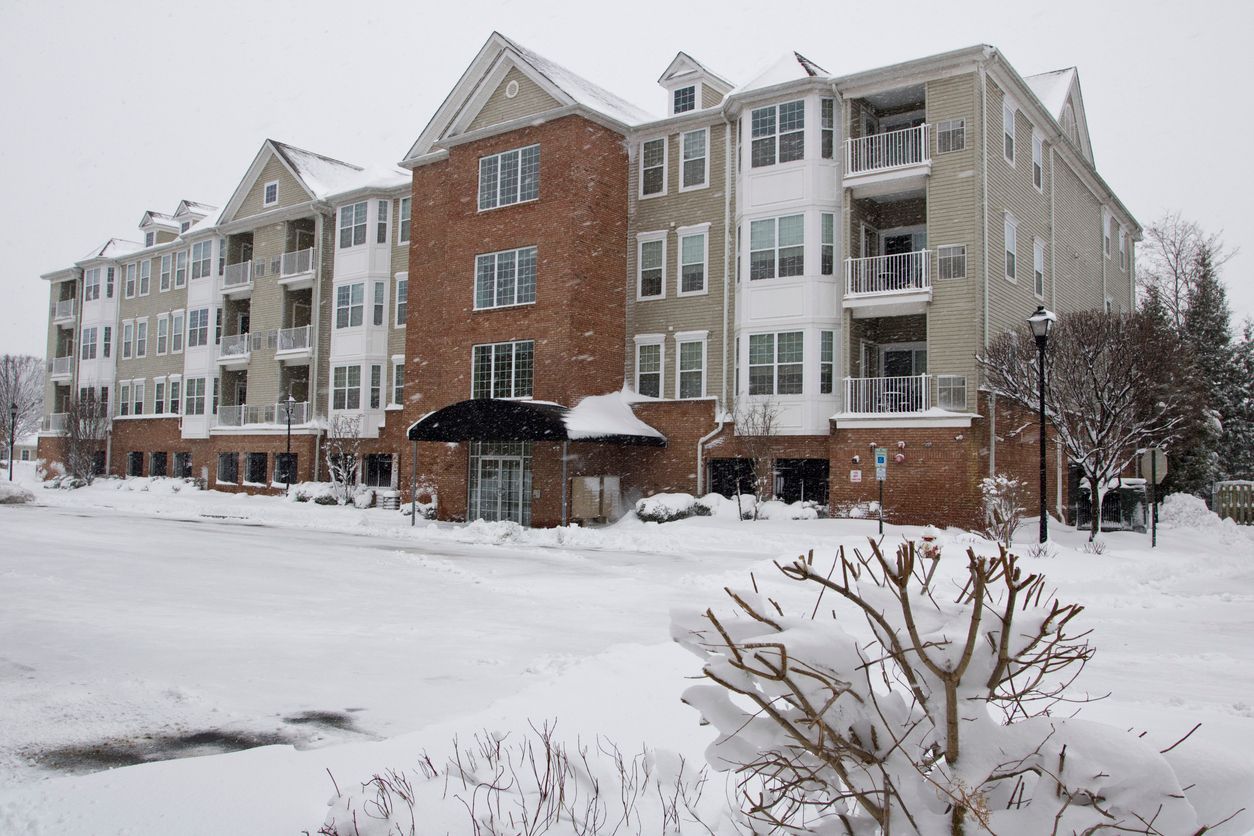
· Freeze Events in Unheated Spaces – Frozen pipes in exterior walls or attics can burst, causing water damage in nearby apartment units.
Steps to Take if Your Multi-Family Building Has Ceiling Water Stains
Water damage is one of the most serious emergencies you can face at your multi-family building. Prompt response is critical to protect the safety of your residents and prevent long-term issues that can result in costly building repairs. The following steps will ensure you manage a water damage issue at your multi-family building properly:
· Prioritize Safety – The safety of all tenants and staff should always be your top concern. Restrict access to any units or common areas where ceilings are bulging or at risk of collapse. In addition, shut off electricity to affected areas to eliminate electrocution risks.
· Identify and Stop the Water Source – If possible, locate source of the water causing the ceiling stains and shut off water to affected plumbing lines. If you can’t locate the specific source, shut off the building’s main water valve. In situations where the water damage has been caused by roof leaks, take steps to temporarily contain the leak and call a professional water damage restoration company at once to make emergency repairs.
· Document All Damage – Take photos, videos and detailed notes of all units, common spaces and mechanical systems impacted by the water damage before cleanup begins. This documentation will be important when you eventually file an insurance claim.
· Contact a Professional Water Damage Restoration Company – Immediate response after water damage is critical to protecting your multi-family building. When water damage goes untreated, it can lead to structural damage,
mold growth and other issues that threaten the safety of your residents. Contacting a commercial water damage restoration company right away will ensure the process is handled correctly and additional damage is minimized.
Why Fast Response Matters
A delayed response to water damage in your multi-family building can have devastating consequences. Water can seep into floors, walls, furniture and other porous materials quickly, causing additional damage to your building and the property inside. Mold can begin to grow within 24-48 hours of a water damage event, creating additional health and safety issues for tenants. In addition, a delayed response allows the water to migrate to additional units and common areas, multiplying the number of residents impacted and the complexity of repairs required.
Failing to address water damage right away can also negatively impact your multi-family building in the following ways:
· Tenant Retention Issues – Your tenants expect prompt responses during emergencies such as water damage. Failing to clearly communicate the actions you’re taking and demonstrate a rapid response time can cause dissatisfaction among residents and increase turnover rates.
· Increased Financial Costs – When there’s a delayed response, the cost of water damage restoration work can increase exponentially due to the additional damage to your building.
· Insurance Claim Impacts – Many insurance companies will require you to act quickly after water damage is detected in your multi-family building. Failing to bring in a professional water damage restoration company in a timely manner can potentially complicate the insurance claim or reduce your payout.
HRS Restoration Can Help
If you’ve experienced water damage in your multi-family building,
HRS Restoration can provide the expert services necessary to minimize damage and restore your building to its original condition. We provide 24/7 emergency response services, and our team will arrive at your building shortly after receiving your call to begin work. This prompt response time is critical to containing all water damage and controlling the costs associated with repairs.
HRS Restoration is a subsidiary of
Haselden Construction, a third-generation, family-owned business with over 50 years of experience providing restoration services to multi-family buildings in the Denver area. This affiliation provides you with several important benefits. Our IICRC-certified team can handle every aspect of the process for you, providing a more streamlined response that reduces the cost and time required to complete all work. You’ll also have peace of mind that all restoration work will adhere to the exceptional quality standards that Haselden has become known for over the past 50 years.
Contact us today to start the water damage restoration process. HRS Restoration serves multi-family buildings in Denver and the surrounding areas.