Key Takeaways:
Smoke odor removal in multi-family apartment buildings requires a coordinated, building-wide restoration strategy that addresses both visible damage and invisible contaminants. Effective remediation begins with immediate engagement of a certified fire damage restoration company, insurance notification, and clear tenant communication. The core process includes removing soot and compromised porous materials, cleaning salvageable contents, and eliminating odor-causing VOCs through controlled ventilation, HEPA filtration, and activated carbon air purification. HVAC systems and ductwork must be fully cleaned and sanitized to prevent recontamination. Final deodorization methods – such as thermal fogging, ozone, or hydroxyl treatments – are selected based on occupancy conditions and odor severity. Comprehensive post-remediation testing ensures air quality is restored and odors are fully eliminated, protecting tenant health and returning the property to a safe, habitable condition.
Addressing smoke odors can often be one of the most challenging issues to deal with after a fire in your multi-family building. During a fire, smoke can permeate throughout the entire building, leaving lingering odors that penetrate walls, fabrics, furniture and other personal belongings in tenant units. These odors not only serve as an unpleasant reminder to residents of a traumatic incident, but they also introduce harmful toxins and particles into your building which may cause serious health risks for tenants and staff.
Removing smoke odors from your building will almost always require a building-wide treatment plan by a professional
fire damage restoration company. This is the best way to ensure that all smoke odors are addressed correctly and all health issues are eliminated from your building.
Steps to Take Immediately After the Fire
Before beginning the smoke odor removal process, it’s important to take the following steps to protect the safety of your residents and ensure a comprehensive fire damage restoration plan is in place to address the total extent of the damage to your building:
· Contact a Fire Damage Restoration Company – Getting a fire damage restoration company involved right away is the most important step you can take. They’ll document all damage and develop a customized restoration plan to return your building to its pre-damaged state.
· Inform Your Insurance – Contact your insurance company as soon as possible to let them know about the fire and to confirm what aspects of the restoration process they’ll cover.
· Communicate with Your Residents – Your residents will most likely have questions after a fire in the building. Make sure you clearly communicate the steps you’re taking to address the situation and any temporary relocation measures that will be necessary while the restoration work is completed.
How HRS Restoration Can Help with Smoke Odor Removal at Your Multi-Family Building
At
HRS Restoration, our team of IICRC-certified technicians have extensive experience getting rid of smoke odors in multi-family apartment buildings. Our proven process has been developed according to industry best practices to help restore safe air quality in your building.
Remove Soot and Damaged Materials
Odors will persist as long as soot and charred building materials remain in the building, so the first step in the odor removal process is to eliminate all soot and materials which may harboring odors. This involves:
· Performing detailed dry cleaning and HEPA vacuuming of all surfaces to remove loose soot from walls, ceilings, trim, cabinets, tile and concrete.
· Removing and discarding porous materials that are heavily affected. This may include any burned drywall, insulation, acoustic ceiling tiles and padding.
· Professionally cleaning salvageable items such as carpet, drapes or upholstered furniture with specialized detergents and deodorizing agents that will remove any odor particles.
Ventilation and Air Cleaning
The smoke smell in your building after a fire comes from VOCs (volatile organic compounds). These VOCs consist of hazardous chemicals which get released into the air when building materials and household items burn, and they can deposit on walls and other surfaces, causing the smoke smell to persist for a long time without proper treatment.
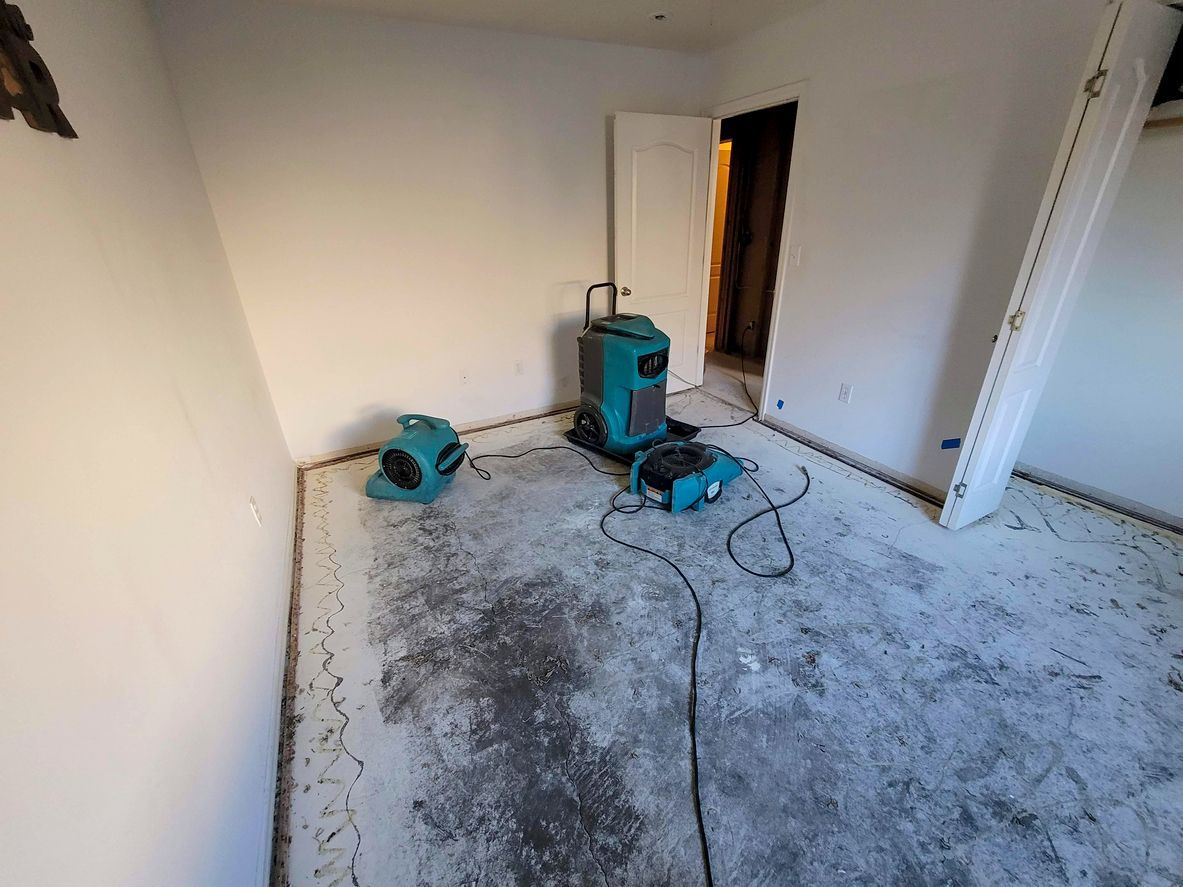
Eliminating VOCs from your building environment starts with establishing a controlled ventilation process. If the weather allows, we’ll open windows and use industrial-strength fans to push fresh air throughout the building. Our team will also use the following process to clean the air circulating through your multi-family property:
· Professional grade portable HEPA air scrubbers will be used in corridors and units to pull soot particles from the air
· Professional grade air cleaners and purifiers utilizing activated carbon will help absorb odor-causing VOCs
Clean HVAC System and Ductwork
During a fire, the HVAC system and all associated ductwork is often contaminated by smoke odors and soot residue. Without proper duct cleaning, these contaminants will continue circulating through your multi-family building after the rest of the smoke odor removal process has been completed. This can negatively impact air quality for residents and cause additional damage to your building.
Our team will use the following process to clean your HVAC system and ductwork following fire damage:
· Shut down the building’s HVAC system and seal the ducts using negative air pressure systems and containment barriers to prevent soot in ducts from re-contaminating areas that have already been cleaned
· Inspect the ductwork using state-of-the-art cameras and particulate sensors to determine the level of contamination and whether the ductwork requires repairs or replacement
· Use air whips, HEPA-filtered vacuums and dry cleaning tools to remove soot and smoke residues from ductwork
· Sanitize the HVAC system using thermal fogging, odor neutralizers and antimicrobial solutions to eliminate lingering smoke odors
Deodorize the Building
Once the HVAC system and ductwork has been cleaned and restored, our team will deodorize the building to eliminate stubborn smoke smells that are still lingering throughout common areas or in hard-to-reach areas of the property. There are several different tools used to deodorize multi-family buildings after fire damage:
· Thermal Fogging – A special deodorizing solution is heated until it turns into fog form. The fog is then sprayed throughout the air, allowing it to permeate throughout the building so it can attach to smoke particles and absorb them.
· Ozone Generators – These machines release artificial ozone gas that will spread throughout the building, attaching to smoke molecules so that they can be broken down.
· Hydroxyl Generators – These machines produce hydroxyl radicals that break down odor molecules, converting them into carbon dioxide and water.
Smoke Odor Removal Methods Comparison
Each of these processes have their own advantages and drawbacks, as well as specific applications where they’re ideally suited for use when eliminating smoke odors in multi-family buildings.