Key Takeaways:
Water damage in healthcare facilities must be treated as a clinical and operational emergency due to its direct impact on patient safety, infection control, regulatory compliance and care continuity. Effective response requires immediate assessment of contamination pathways across air, surfaces, water systems and ventilation, with a priority focus on high-risk clinical zones such as ICU, surgical and oncology environments. Containment strategies – including isolation barriers, negative air pressure, HEPA filtration and removal of porous materials – are essential to prevent the spread of pathogens. Facilities must align all actions with Joint Commission, CMS, OSHA and EPA requirements, supported by thorough documentation and trained healthcare restoration professionals. Pre-qualified, certified contractors with infection control expertise are critical to executing rapid, compliant response protocols while minimizing disruption to patient care delivery.
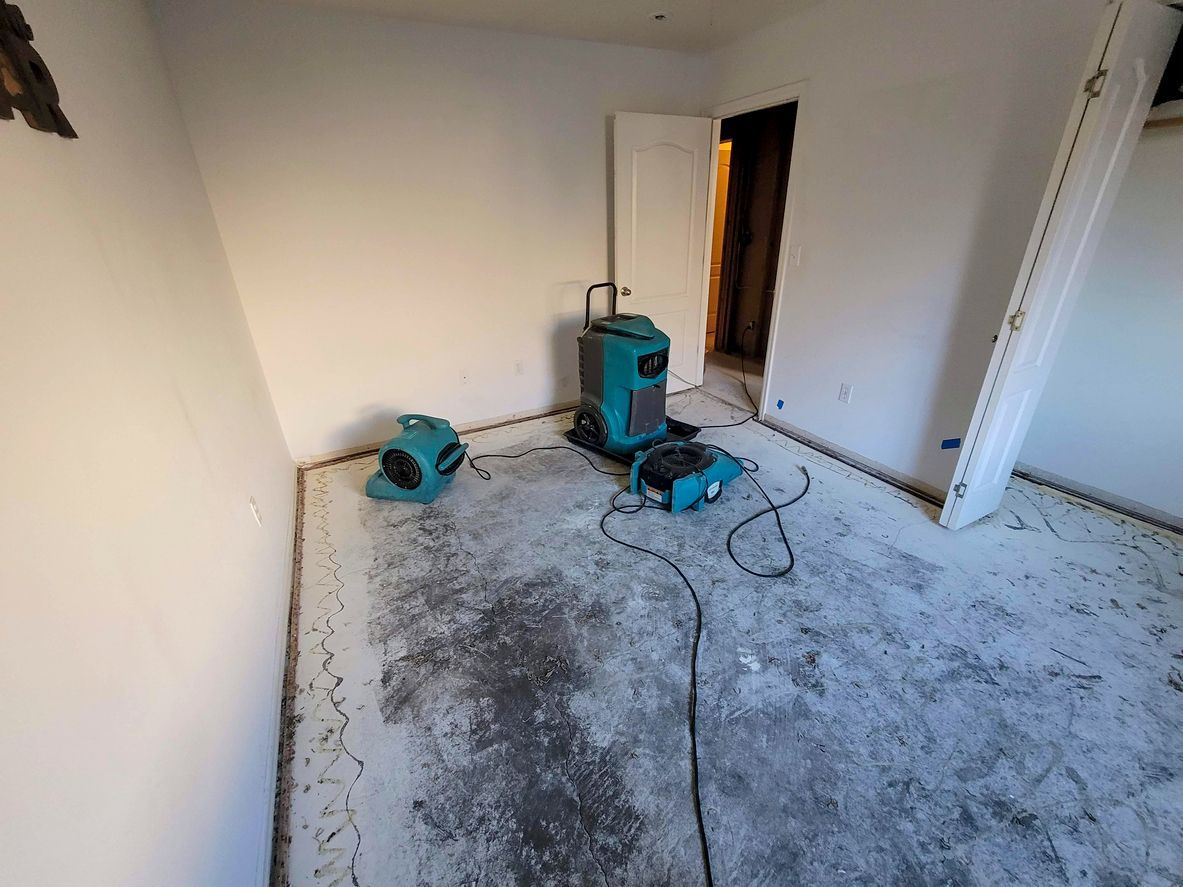
Water damage in medical facilities is much more complex and high risk than typical commercial water damage. It impacts:
· Patient safety
· Infection control
· Regulatory compliance
· Expensive, sensitive medical equipment
· Your ability to provide care to patients while repairs are made
The dire consequences to your patients when unsanitary conditions exist at your facility mean that
water damage should always be considered an emergency. The following response protocols will help you contain the risks caused by water damage, preserve care delivery and maintain compliance with health regulations.
Assessing Clinical Impact and Contamination Risk
Water damage in your healthcare facility increases patient risks in a variety of ways. It can:
· Contaminate the clinical environment
· Disrupt the equipment used to provide and support patient care
· Force changes in where and how patients are treated
Many patients are already vulnerable. Cancer patients, individuals in intensive care units, transplant recipients, and individuals with large wounds or invasive devices have a harder time fighting off infection than someone who is healthy. Water can create breeding grounds for germs and slimy biofilm to grow, creating serious health risks for patients with weakened immune systems.
There are many ways your healthcare facility can become contaminated after water damage:
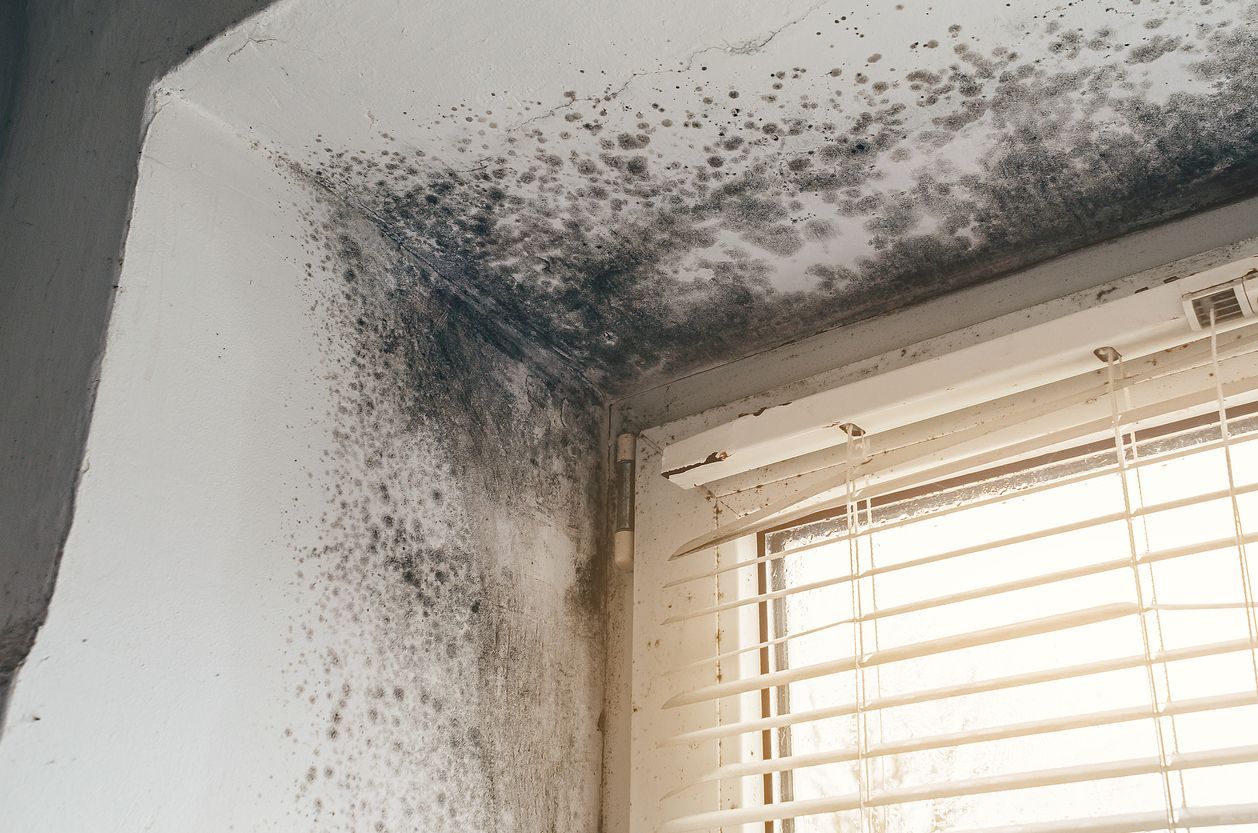
· Water that gets into walls, ceilings, insulation and ducts can grow
mold and bacteria if they aren’t properly dried and repaired
· Sinks, faucets, showers, ice machines and other devices can become contaminated if dirty water backs up into them, or if the plumbing system becomes compromised by the water damage
· When water hits a dirty drain or a wet surface, it can release tiny droplets into the air which can land on nearby surfaces or equipment
· If moisture affects your ventilation system, contaminated air can be carried through ducts and pushed into patient care spaces throughout the facility
This is why it’s critical to evaluate all the possible areas in your facility which may have become contaminated due to the water damage. When evaluating contamination risk, focus on the high risk clinical zones, such as:
· Intensive and critical care units
· Operating rooms, procedure rooms and sterile processing areas
· Oncology and transplant units
· Dialysis units and other areas where blood or bodily fluids are regularly exposed to equipment that can be exposed to contamination
After water damage, conduct contamination risk mapping to determine:
· Which units and departments are directly affected by the water damage
· Which high risk services are being provided nearby, above or below the damaged area
· Whether patients in these areas could be exposed to potential contaminants through air, surfaces, water fixtures or staff movement
This risk mapping will help you decide whether you need to relocate patients, pause elective procedures or send certain patients to receive care at other facilities until your healthcare environment has been properly sterilized again.
Prioritize Infection Control and Compliance When Developing a Response Plan
Infection control must be the primary driving factor when developing a water damage response plan in healthcare settings. Your main objective should always be to prevent contaminants from spreading into patient care areas, since even minor exposure can create serious health risks among vulnerable patients.
The following containment measures will help you manage infection control after water damage:
· Physically seal off affected areas to create a clear boundary between contaminated and clean spaces
· Use negative air pressure systems in contaminated areas to control airflow and prevent potentially harmful particles from escaping into surrounding areas
· Filter air within contaminated zones using HEPA systems to remove mold spores and bacteria
· Use medical-grade disinfectants to eliminate harmful pathogens
· Remove porous materials such as drywall, insulation and carpeting since they can trap moisture and bacteria, making it difficult to sanitize them
Understanding Regulatory Compliance Requirements
Healthcare facilities are governed by multiple oversight agencies that enforce strict standards related to patient safety, medical operations and environmental risk. To maintain these standards, your water damage restoration response plan must account for all regulatory compliance requirements governing medical settings.
Organizations such as the Joint Commission and the Centers for Medicare & Medicaid Services (CMS) establish requirements that directly impact how restoration work is performed to ensure safe patient care conditions are maintained at all times. There are also specific OSHA regulations in place to ensure workers involved in the cleanup process are protected from hazards. In addition, the EPA has established guidelines for handling contaminated materials and environmental risks in healthcare environments.
Complying with these regulations requires:
· Detailed documentation of all response measures
· Defined procedures for how the restoration work is completed
· Work performed by professionals trained in healthcare restoration, infection control and safety protocols
The water damage restoration team you work with must follow specific protocols for controlled access to patient care areas, containment of affected spaces and waste disposal. In addition, they must coordinate closely with your facility staff to avoid disrupting patient care.
Failure to address all compliance requirements can have serious consequences for your facility, including costly penalties, loss of accreditation or interruptions to patient services.
How to Choose the Right Restoration Contractor
Not every restoration company is qualified to work in a medical environment, and choosing the wrong partner can create serious risks for your patients. It’s critical to choose a water damage restoration company that understands the standards governing patient safety and infection control in healthcare facilities.
Make sure you choose a contractor with prior experience working in healthcare facilities. Evaluate their training in infection control practices, and make sure they understand how to develop a restoration plan that ensures patient care can continue while all work is being completed.
Your restoration contractor should also have the following certifications:
· IICRC Water Damage Restoration Technician
· IICRC Applied Structural Drying
· IICRC Applied Microbial Remediation Technician
· Healthcare infection control training (ICRA or equivalent)
· OSHA safety training (OSHA 10 or 30)
Because of the additional qualifications required to perform restoration work in healthcare settings, it’s important to vet restoration partners before an issue occurs. Pre-qualifying a contractor will allow you to respond quickly after a water damage incident.
HRS Restoration Can Help
If you’re dealing with water damage at your healthcare facility,
HRS Restoration can provide the expert restoration services you need. Our team regularly provides comprehensive infection control, restoration, environmental and roofing services to healthcare facilities throughout Colorado. This broad experience allows us to manage the entire process in-house, ensuring all compliance regulations are addressed properly.
At HRS, we understand the time-sensitive nature associated with a water damage response at healthcare facilities. We provide 24/7 emergency services, and our team is ready to assist on short notice when an issue arises. When you partner with HRS for water damage restoration services, you can count on:
· A guaranteed 2-hour response time for the Denver metro area
· An in-house team that is IICRC-certified and ICRA-certified for water damage and infection control standards in the healthcare industry
· Rapid property stabilization to avoid additional damage
· Collaboration with your team regarding next steps and the best approach to contain the water damage
· Clear documentation for your insurance process
As a subsidiary of
Haselden Construction, we bring the resources and expertise of a major construction firm with the care and responsiveness of a local, family-owned business. Our team is committed to doing the job right while providing competitive pricing that stays within your budget. In addition, our extensive expertise and training in the healthcare sector will minimize disruption to your operations, allowing you to continue providing exceptional patient care during a challenging time.
Contact us today to start the water damage restoration process. HRS serves healthcare facilities in Denver and the surrounding areas.