Key Takeaways:
Not all hospital water damage carries the same infection control risks. Water is categorized as clean (Category 1), gray water (Category 2) or black water (Category 3), and each requires a different remediation approach. Porous materials that remain wet beyond 48 to 72 hours must be removed and discarded, as they can harbor microbial growth even after they appear dry. Restoration should follow a deliberate sequence: sewage first, then potable water, then HVAC systems, with remediation zones kept isolated from clean areas until work is complete. Before any affected space reopens, all salvageable medical equipment, devices and sterile supplies must be reprocessed or recertified. Water damage can introduce pathogens that don't manifest immediately, so infection rates should be monitored closely in the weeks following restoration, with particular attention to Aspergillus and other fungi, nontuberculous mycobacteria, and Legionella.
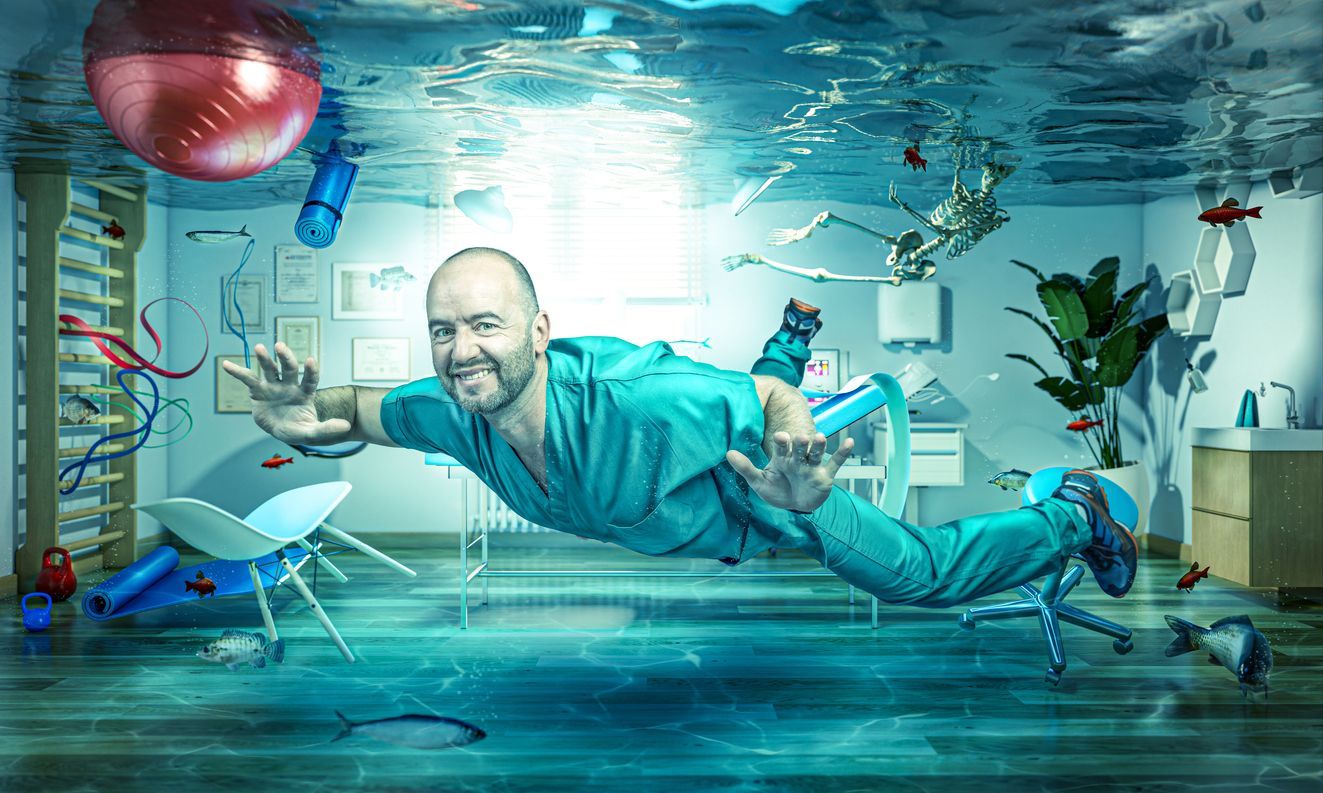
When your hospital suffers
water damage, it brings contamination risks that can compromise patient safety, disrupt operations and trigger regulatory scrutiny. The longer it goes unaddressed, the more complex those risks become. Water damage in a healthcare setting also introduces infection control considerations that go beyond standard remediation, and the decisions you make in the early hours after an event can have lasting consequences for your patients, your staff and your facility's compliance standing.
Contain the Area
The first step that must occur is to contain the water damage. This will minimize the contaminated areas at your facility, making infection control a more manageable process.
If you’re able to identify the source of the water intrusion, try to take any steps necessary to stop the water. In some instances, this may involve shutting off all water to the affected area. Always prioritize safety. If your team is unable to safely stop the water intrusion, wait for the emergency water damage restoration team to arrive and address this step for you.
Once the water source has been stopped, move patients, clean supplies and sterile items out of the affected space. Do your best to isolate the contaminated area by closing doors, using plastic sheeting or rigid barriers, and separating shared air space from the cleanup zone.
Assess the Water Type, Contamination Level and Moisture Extent
Not all water damage carries the same infection control risks, and understanding what you're dealing with will shape every remediation decision that follows.
Water damage is categorized into three types:
- Category 1 – Clean water from a sanitary source such as a broken supply line or malfunctioning equipment
- Category 2 (gray water) – May contain chemical or biological contaminants and includes sources like drainage backups or washing machine overflow
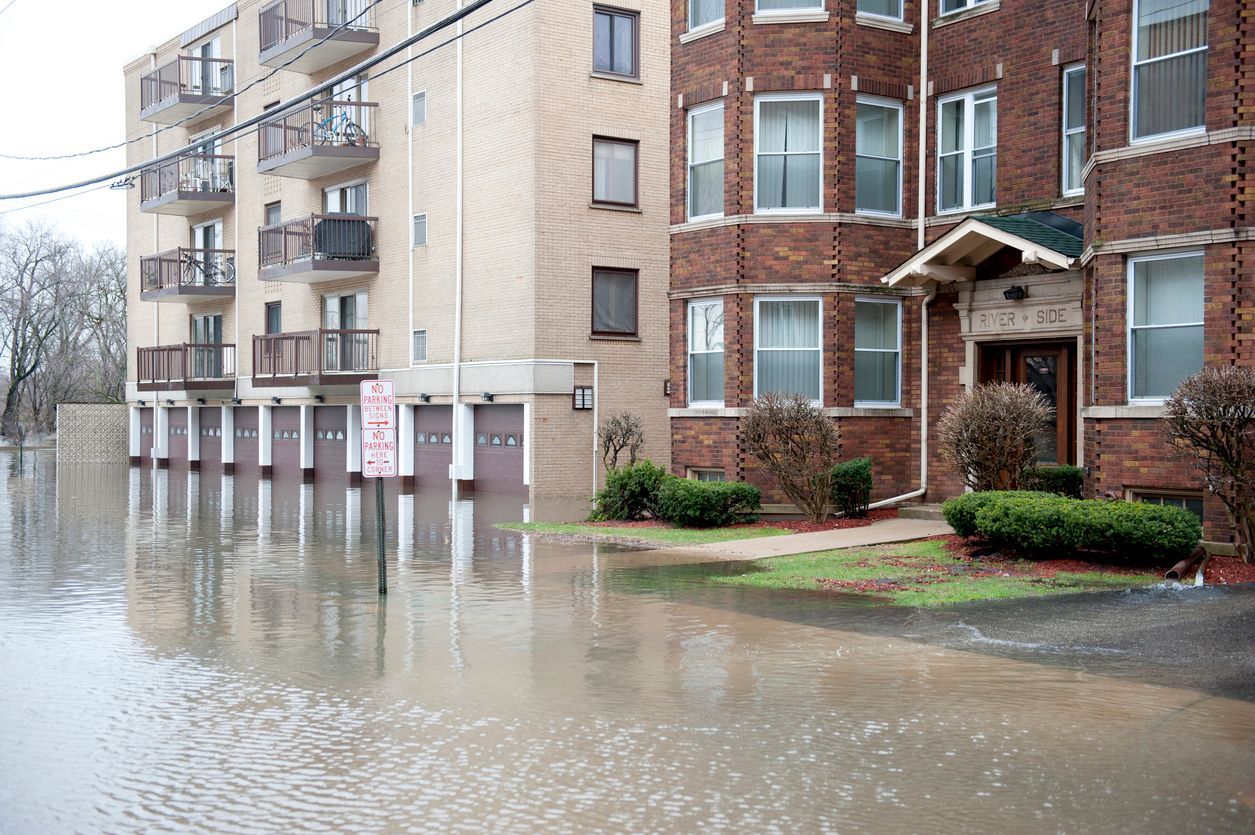
- Category 3 (black water) –
Highly contaminated and includes
sewage, floodwater or any water that has been standing long enough to allow microbial growth.
In a hospital setting, even Category 1 water should be treated with caution, as it can degrade quickly and porous materials can begin supporting mold growth within 24 to 48 hours.
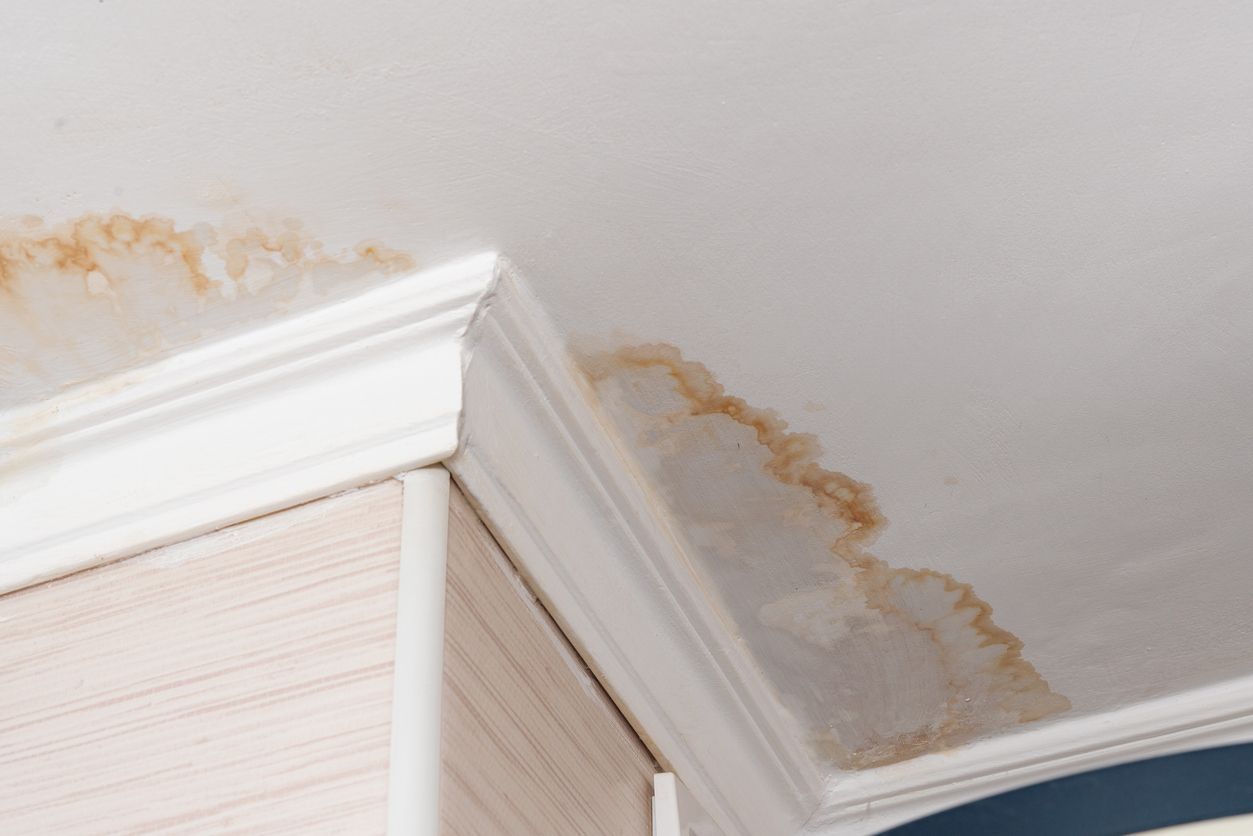
You’ll also need to assess how far the moisture has spread. Water can seep into wall cavities, under flooring and through ceiling assemblies in ways that aren't always visible. A professional restoration team will use moisture meters and thermal imaging to map the full extent of the damage, which is essential for ensuring that no affected materials are left untreated.
Cleanup and Removal of Contaminated Materials
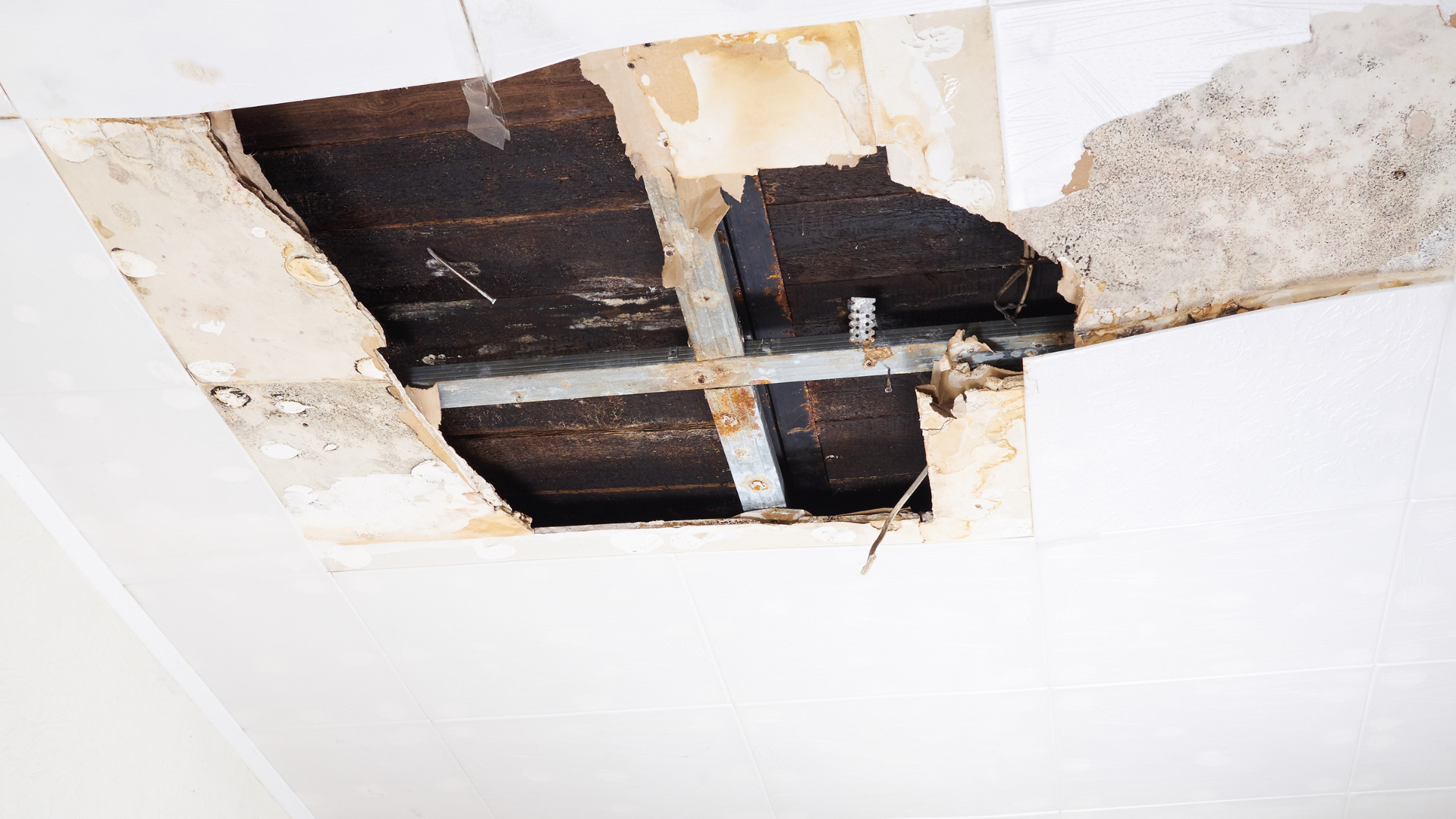
Any heavily contaminated or porous materials that can’t be thoroughly dried must be removed and discarded to prevent
mold growth. This is especially important for any materials that remain wet beyond 48-72 hours. Common examples include drywall, ceiling tiles, insulation and carpet, all of which can harbor microbial growth even after they appear dry on the surface.
Nonporous surfaces and equipment should be cleaned and disinfected using hospital-grade disinfectants appropriate for the pathogens present. Products must be EPA-registered and appropriate for the specific contamination type, whether that's bacterial, fungal or viral.
For Category 2 or Category 3 water events, contaminated materials must be handled and disposed of according to applicable regulations, which may include bagging, labeling and using certified waste disposal services depending on what the water contacted. Your restoration team should be able to guide these decisions and ensure the disposal process is properly documented.
Restore Sewage, Water, HVAC Systems and Critical Equipment
Restoration should follow a deliberate sequence. Sewage systems must be confirmed functional first, as any remaining backup or drainage issue will undermine the rest of your restoration efforts. Once sewage is confirmed clear, potable water systems can be restored, but plumbing that was affected by the intrusion should be flushed and disinfected before normal use resumes.
HVAC restoration requires particular care in a hospital setting. Water-damaged insulation, ductwork or components that can't be safely cleaned must be replaced, not dried in place. Until HVAC work is complete, keep remediation zones isolated from clean areas of the facility to prevent cross-contamination through shared air systems. This is especially critical in facilities with immunocompromised patient populations.
Before any affected space is returned to service, reevaluate ventilation performance, confirm moisture levels have normalized and assess for any residual contamination.
Reopen Only After Inspection, Recertification and Infection Surveillance Are in Place
Before reopening any affected area, all salvageable medical equipment, devices and sterile supplies must be reprocessed or recertified for use. Any item that cannot be verified as safe should not be returned to service regardless of its appearance.
Keep in mind that water damage events can introduce pathogens that don't manifest as infections immediately, so close monitoring of infection rates in the weeks following restoration is essential. Organisms of particular concern include Aspergillus and other fungi, nontuberculous mycobacteria, and Legionella. These are all associated with water-damaged healthcare environments and can pose serious risks to vulnerable patients.
If infection patterns rise or cluster in ways that suggest an environmental source, environmental sampling should be conducted and additional remediation pursued as needed.
HRS Restoration Can Help
Implementing the right infection control procedures after water damage is critical to restoring safe conditions for your patients. It’s important work with experienced professionals who can ensure this process is handled correctly and your facility complies with all regulatory guidelines.
At
HRS Restoration, we have over 50 years of experience performing water damage restoration at healthcare facilities. We offer rapid response infection control services, and our team will arrive shortly after receiving your call to stabilize your facility as quickly as possible. Our in-house team members are both IICRC-certified and ICRA-certified for water damage as well as infection control standards in the healthcare industry. Our infection control and outbreak mitigation protocol adheres to all industry best practices and complies with CDC guidelines.
HRS Restoration is a subsidiary of
Haselden Construction, a third-generation, family-owned Colorado company with a reputation for delivering exceptional quality work. Our Haselden affiliation allows us to perform all services in-house to provide you with faster turnaround times, highly competitive pricing and a more streamlined process.
Contact us today or call
303-495-2977 for emergency biohazard cleanup help. HRS Restoration serves hospitals in Denver and throughout the Front Range.