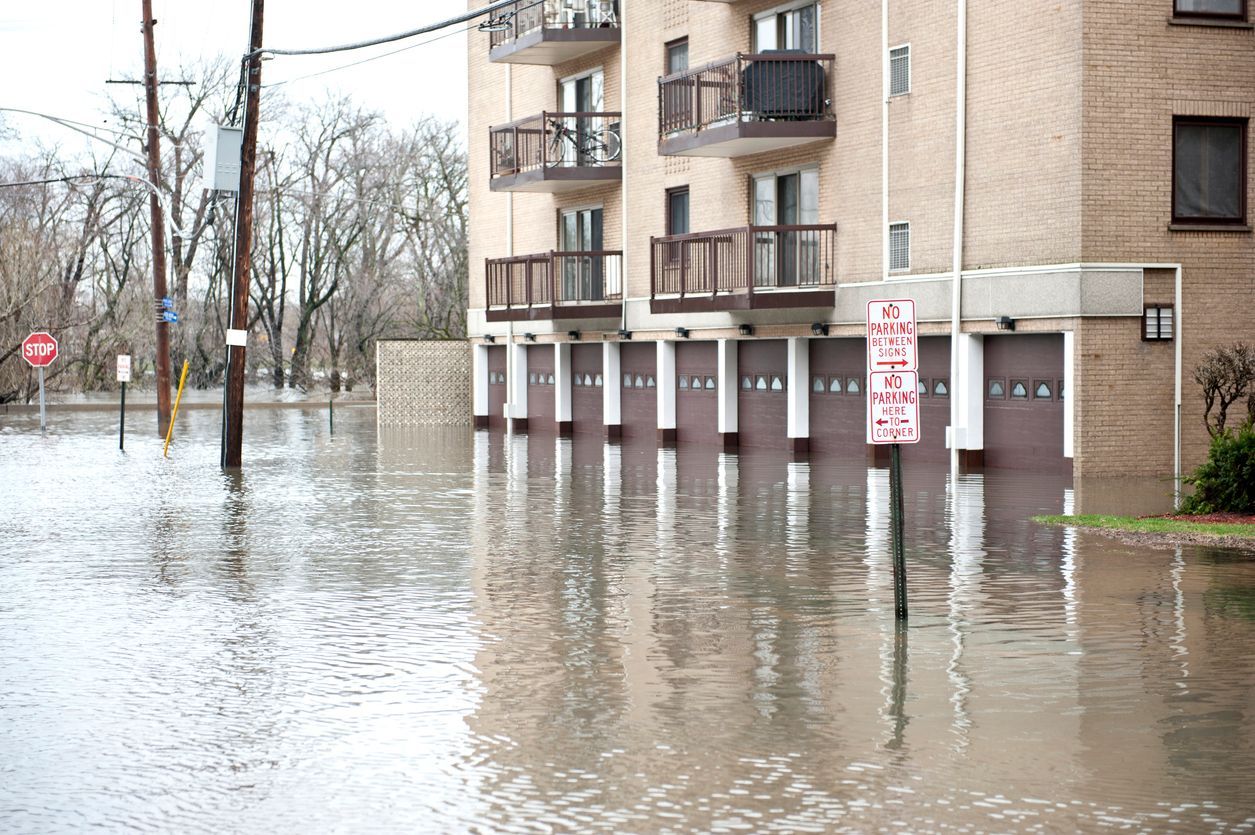
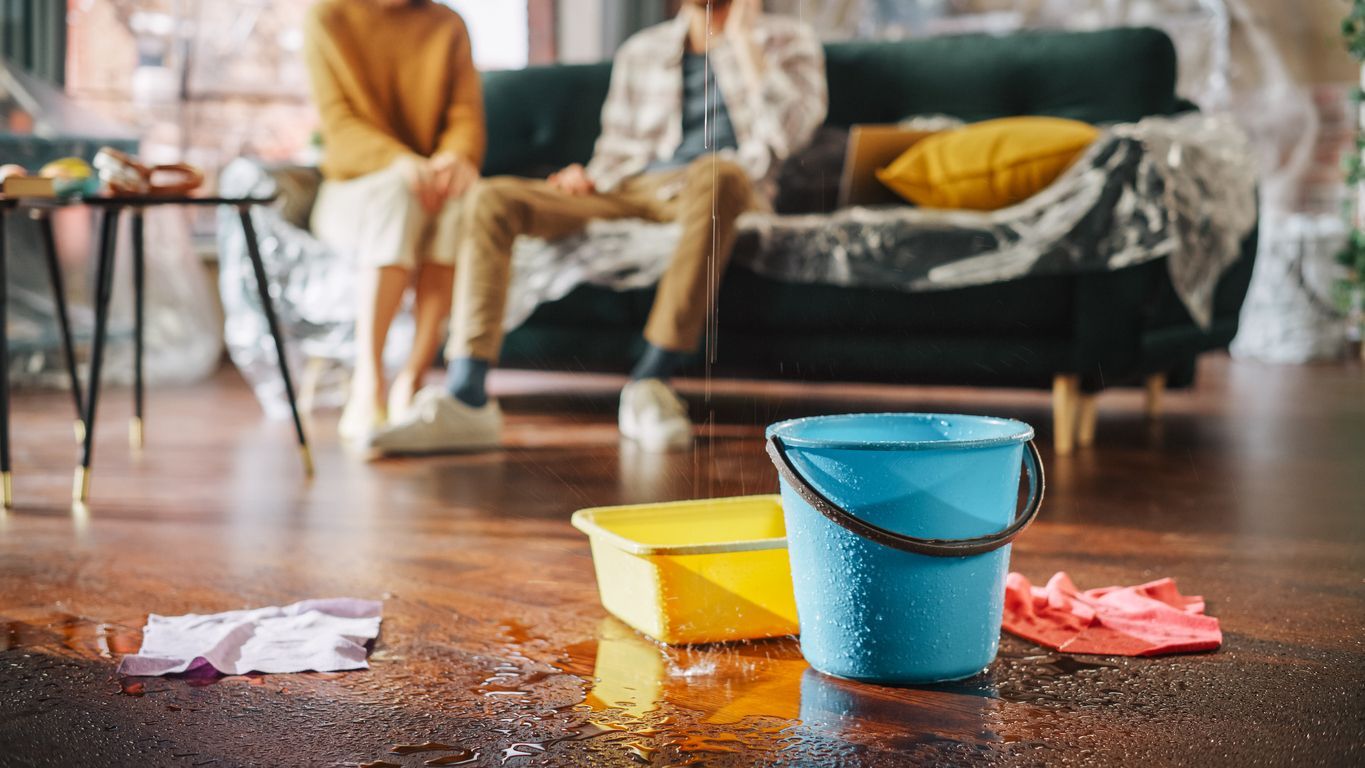
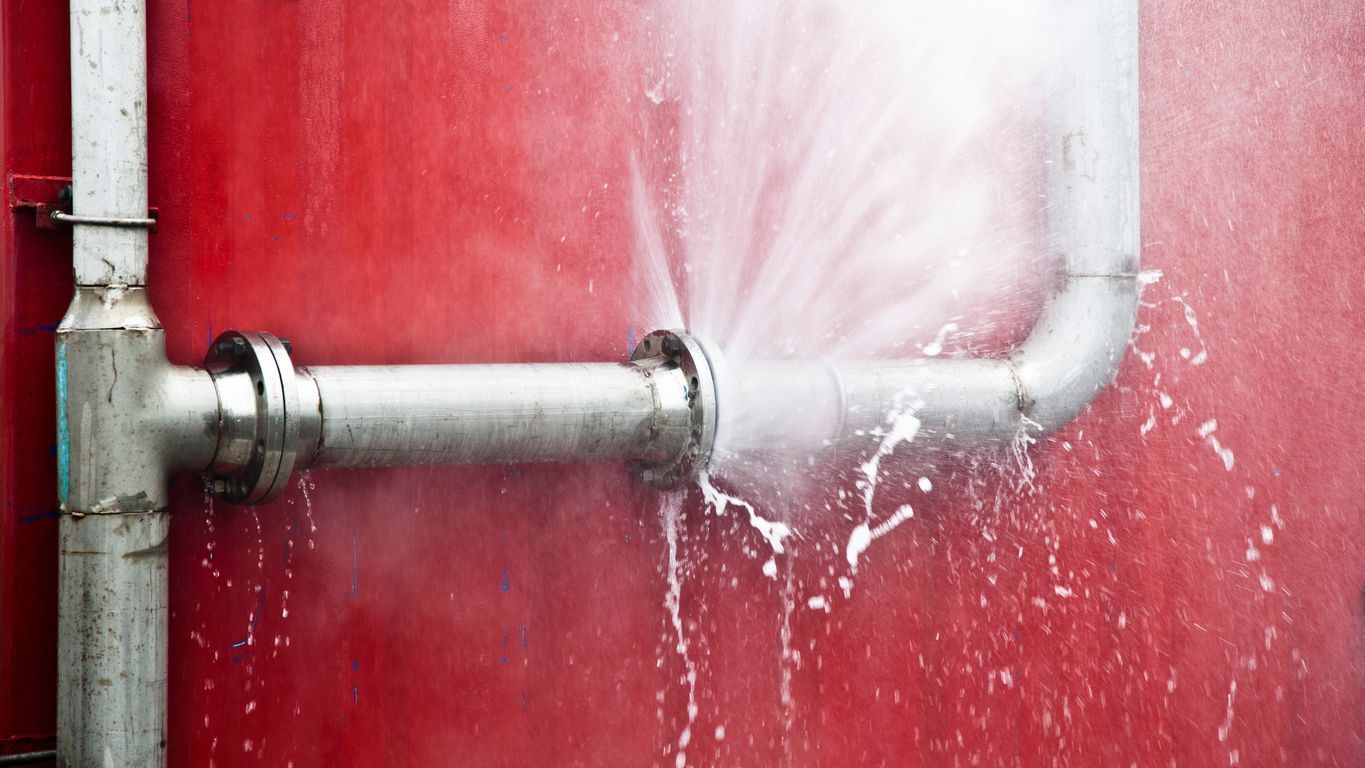
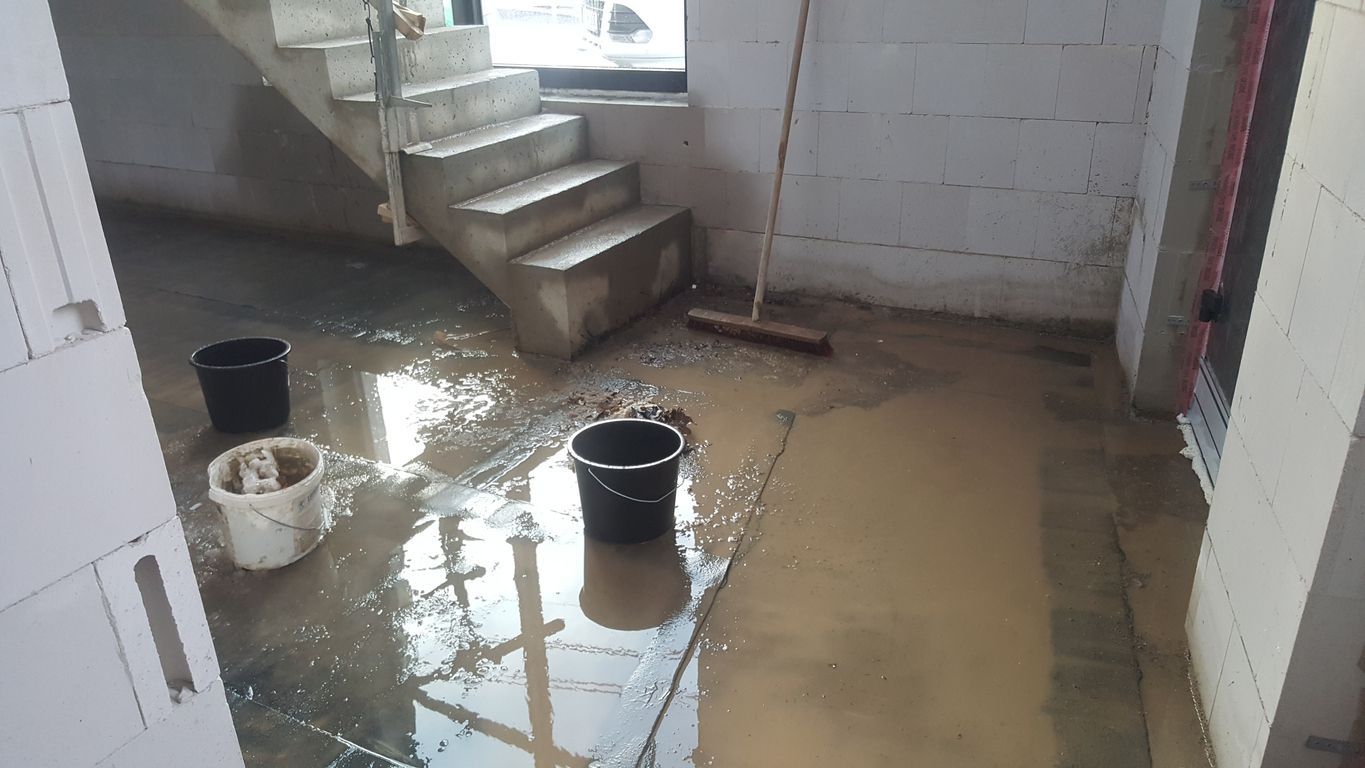
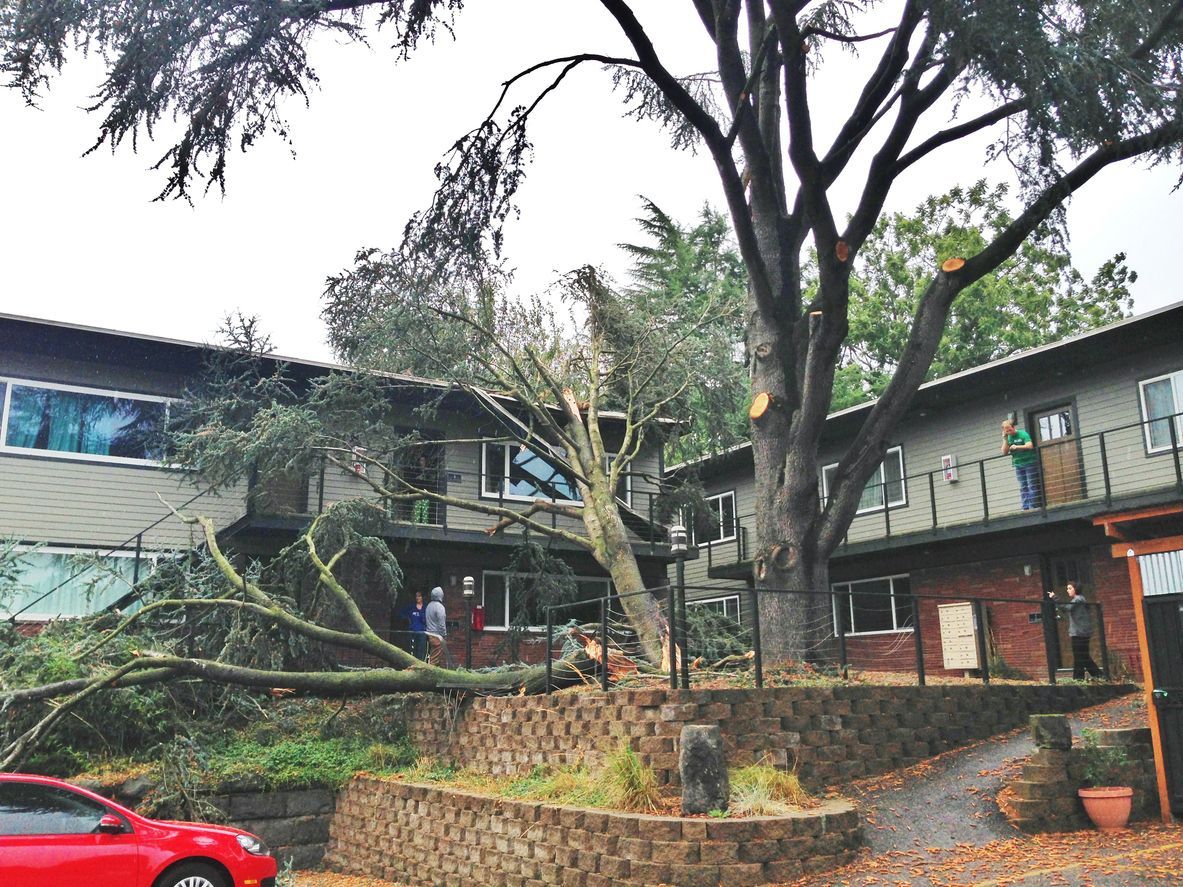
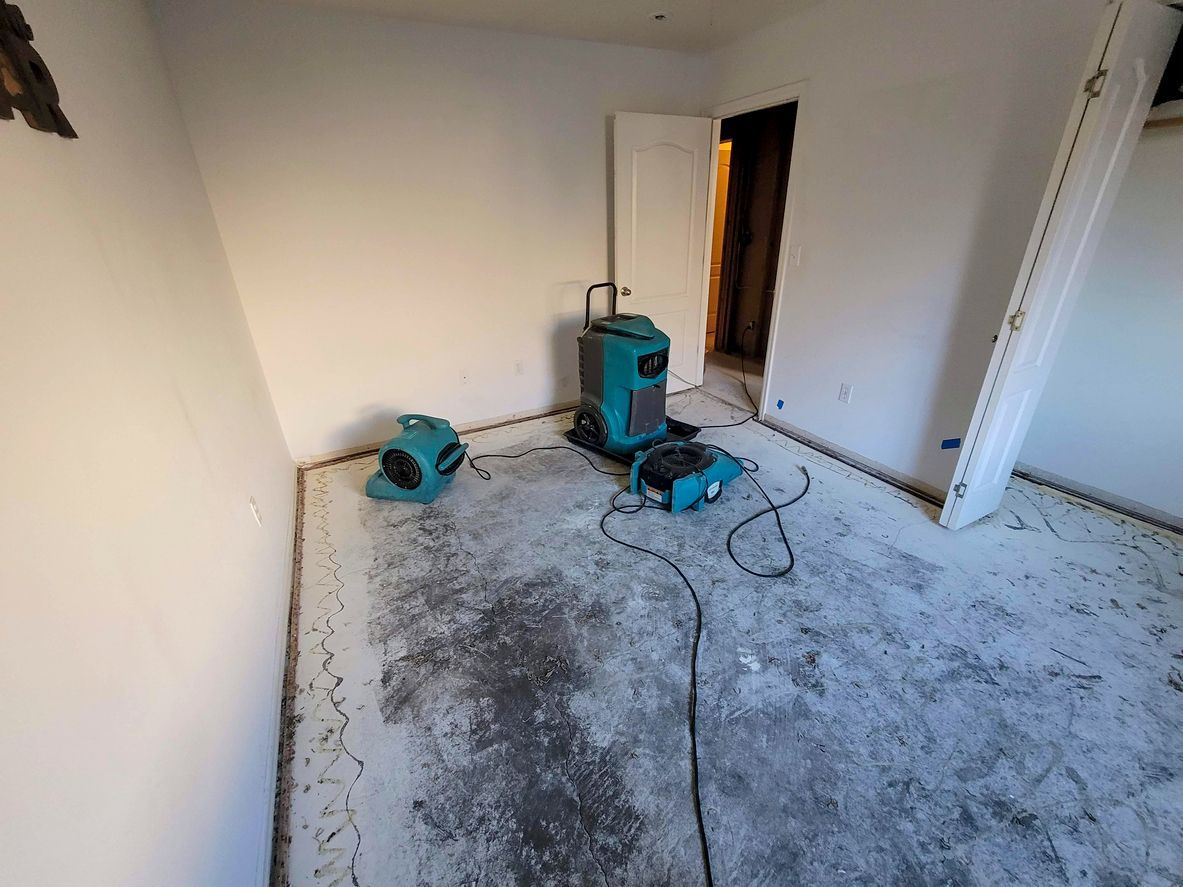
Water damage can occur in just about any home due to a variety of reasons, such as flood damage from a
storm or a bust pipe, a slow leak, or a
backed-up sewer line. Unfortunately,
water damage can have devastating consequences if left untreated. In addition to the immediate damage, you may also run the risk of serious structural damage, mold growth, and a variety of other problems.
It's critical to address water damage as soon as possible. The longer you leave it untreated, the more likely you are to develop more extensive and costly damage. For this reason, being able to spot the signs of water damage is an important skill for any property owner. Identifying water damage in its early stages will help you avoid future problems that can require expensive repairs.
While some signs of water damage are readily visible, others may be harder to detect without knowing where to look. Be on the lookout for the following signs of water damage to ensure these issues are identified and repaired as soon as possible.
Dampness or Humidity
If you experience unexplained dampness or humidity in your home, it can be a sign that you have a water leak. Check for wet surfaces, such as counters, walls, floors or cabinets, where there shouldn’t typically be any moisture. If you detect any wet areas, it’s likely the leak will be nearby.
Water Stains on Walls and Ceilings
If you have rings, stains or slight discoloration on walls or ceilings, it could be a sign that you have water damage associated with an undetected water leak in your roof or walls. Make sure to carefully inspect the surface of the walls and ceilings surrounding the stain to see if the area is wet. If so, the leak is still occurring.
Never try to paint over these stains. This does not fix the issue. In order to avoid more serious damage from occurring, you’ll need to repair the leak that is causing the water damage. In many instances, these leaks are caused by a hidden plumbing issue that requires immediate attention.
Mold
Damp conditions provide the optimal breeding ground for mold, which is why mold is one of the most common signs of water damage. While mold on a shower curtain may not necessarily be caused by water damage, if you see it growing anywhere else in your home, it should be a cause for concern. Unless there was obvious water damage from a flood or a burst pipe, mold growth most likely indicates you have a hidden leak.
Common places where mold may grow after water damage include walls, ceilings, floors or baseboards. It may also grow in harder to see areas such as behind furniture or underneath sink cabinets.
Anytime you see mold, it must be addressed by a professional
mold remediation expert right away. If left untreated, mold can spread to other areas of the property, leading to more serious problems. Mold growth can also cause health issues in individuals with respiratory conditions or mold allergies. A mold remediation specialist is required to sanitize the area to remove all the mold and prevent it from growing back. In addition, mold testing must be conducted to ensure all mold has been eliminated from your home.
Musty Smell
Sometimes, water damage isn’t visible, but you can smell it. When building materials such as drywall or wood become saturated with water, they often give off a musty smell. Mold often gives off a musty smell as well.
If you notice a musty smell in your home or business, try to pinpoint the source of the smell. This will likely provide a clue as to where the water damage is coming from.
Soft, Cracked or Warped Walls
Water damage can cause drywall to warp once it becomes saturated. If left untreated, this can result in further damage to your home, requiring expensive repairs.
In addition, water damage may cause your walls to develop cracks or soft spots. This is often caused by a leak behind the wall.
Peeling or Flaking Paint
Peeling or flaking paint on walls or ceilings is another common sign of water damage. When drywall becomes saturated, excess moisture will try to escape through the wall or ceiling. This can cause the paint to flake or peel off the surface of the wall.
HRS Restoration Can Help
If you notice any signs of water damage in your home, it’s critical to address the problem immediately. At
HRS Restoration, we offer emergency response water damage restoration services and can be at your home shortly after receiving your call to begin work. HRS has been the leading water damage restoration company in the Denver area of over 50 years, and our team has the experience necessary to restore your home to its original condition.
HRS Restoration is a subsidiary of
Haselden Construction, a family-owned Colorado company working in the Denver area for over 50 years. Our affiliation with Haselden allows us to perform all services in-house, so you’ll receive faster turnaround times, competitive pricing and a smoother restoration process. Our team performs all work according to Haselden’s high quality standards, giving you peace of mind that the job will be done right. In addition, we handle all insurance documentation and coordinate with your insurance company to facilitate a smooth claims process.
Contact us today for water damage restoration help. HRS Restoration serves homeowners in Denver and the surrounding areas.
Frequently Asked Questions About Signs of Water Damage
What does water damage look like on walls and ceilings?
Water damage on walls and ceilings typically appears as rings, stains or discoloration that may be yellow, brown or copper-toned. You may also notice paint that is bubbling, peeling or flaking, or drywall that feels soft to the touch. These signs often indicate a leak that has been present long enough to saturate the material behind the surface.
What does water damage smell like?
Water damage often produces a musty or earthy odor caused by wet building materials and the early stages of mold growth. If you notice an unexplained smell in a specific area of your home that doesn't go away with normal ventilation or cleaning, it's worth investigating for a hidden moisture source.
Where are the most common places to find water damage in a home?
Water damage most commonly appears around plumbing fixtures, under sinks, near water-using appliances, along exterior walls, and on ceilings below bathrooms or rooflines. Basements and crawl spaces are also high-risk areas, particularly after heavy rainfall or snowmelt.
Can water damage be hidden inside walls?
Yes. Leaking pipes, slow roof leaks and condensation buildup can saturate wall cavities without producing visible signs on the surface for an extended period. Soft spots, slight bulging or unexplained paint discoloration on an interior wall are indicators that moisture may be present behind the surface.
How do I know if water damage is old or new?
Fresh water damage typically feels wet to the touch and may show active dripping or pooling. Older damage tends to produce dry staining with distinct rings, warped or buckled materials and in many cases, visible mold growth. If the stained area feels dry but the discoloration has a layered ring pattern, the leak has likely been present for some time.