Water damage in an apartment building creates a narrow window to prevent a much bigger problem. Mold can begin developing shortly after
water damage and once this occurs, remediation becomes far more expensive and disruptive than the original repair. Knowing which steps to take in the first hours after water damage, and how to verify the work is done correctly, plays a major role in limiting damage to your building and disruptions to your residents.
How Quickly Does Mold Develop After Water Damage?
Mold spores are already present in most indoor environments, waiting for the ideal moisture and temperature conditions for them to grow. Apartment building water damage creates exactly those conditions, and the timeline from water intrusion to active mold growth moves faster than most people expect:
- First 24 Hours – Materials absorb moisture; drywall, carpet and wood begin to swell.
- 24 to 48 Hours – Mold can begin to grow on wet surfaces if drying has not started.
- 48 to 72 Hours – Visible mold colonies can appear on porous materials such as drywall and carpet padding.
- One Week or Longer – Mold can spread into HVAC systems and wall cavities, requiring remediation rather than simple drying.
The speed at which mold begins growing after water damage requires a fast response to limit damage to your apartment building. A restoration crew that begins
water extraction and drying within the first 24 hours has a real chance of preventing mold growth entirely. A delayed response, even by a day or two, can shift the project from a basic water damage restoration job into a more complex
mold remediation project with a longer timeline and a higher cost.
What to Do Before the Restoration Company Arrives
The actions you take immediately after discovering water damage can reduce the extent of the damage before the restoration company arrives at your multifamily apartment building:
- Stop the Water Source – Shut off the water supply to the affected unit or building if the source is a pipe, appliance or fixture failure.
- Document the Damage – Take photos and video of the affected areas before moving anything, since this record supports your insurance claim and gives the restoration crew a clear starting point.
- Isolate the Affected Units – Close doors to limit the spread of moisture to adjacent units, especially in buildings with shared walls or HVAC systems.
- Contact Your Restoration Company Immediately – Call a professional water damage restoration company as soon as the problem is discovered rather than waiting to assess the full scope, since a significant delay between discovery and the restoration company’s arrival can potentially result in much more extensive damage to your apartment building.
Coordinating Water Damage Restoration Across Multiple Units
Apartment buildings share structural elements that allow water damage to spread well beyond the unit where it originated. A restoration plan that only addresses the specific area where the damage was discovered can miss the other regions of the building where moisture has already traveled, including:
- Shared Wall Cavities – Water can travel horizontally through wall cavities into neighboring units, even when those units show no visible signs of damage.
- Shared HVAC Systems – Moisture and mold spores can move through shared ductwork and reach units on other floors.
- Common Area Flooring – Water damage in a hallway or shared space can seep into subflooring that extends into multiple adjacent units.
- Basements and Utility Areas – Basements, parking garages and utility rooms often sit below multiple units, and these areas can hold moisture long after the original unit appears dry.
A thorough restoration assessment accounts for these connected areas as a standard part of the inspection. Understanding this scope gives you a way to evaluate whether the inspection your building received was complete.
Drying Standards That Prevent Mold Growth
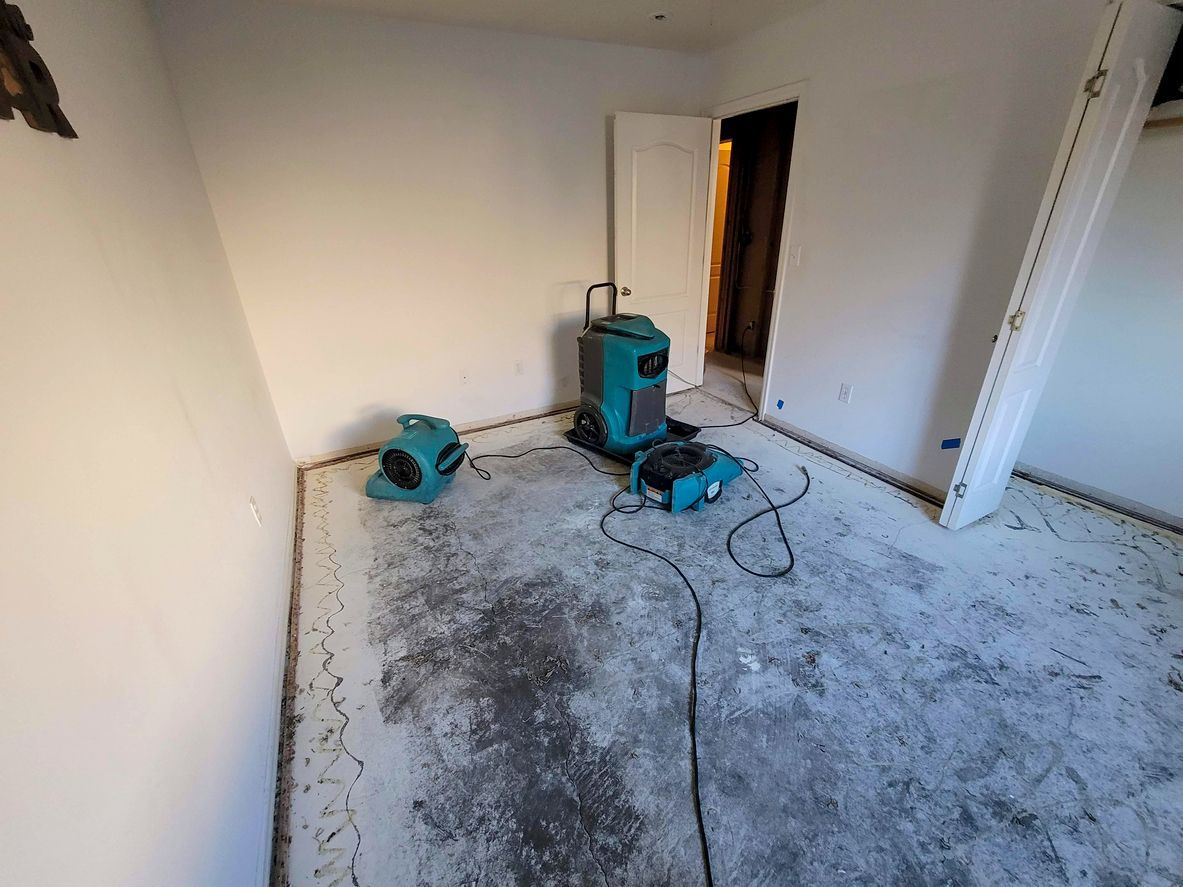
A surface can look and feel dry to the touch while the material underneath still holds enough moisture to support mold growth. To address this problem, water damage restoration companies use the following technology to supplement their visual inspections:
- Moisture Meters – These devices measure the moisture content inside materials such as drywall, wood and subflooring, providing a precise reading to inform recommendations on the work required to thoroughly dry the damaged area.
- Thermal Imaging – Infrared cameras detect temperature differences that indicate trapped moisture behind walls or under flooring, even when the surface appears unaffected.
Your restoration company will compare the results obtained from these devices against the material's dry standard, a baseline moisture level established before the water damage occurred. The IICRC S500 standard, the water damage restoration industry's primary reference for structural drying, requires documentation showing that affected materials have returned to their dry standard before a job is considered complete. Requesting these moisture readings from your restoration company gives you a way to confirm the drying process was verified correctly.
Signs Mold Remediation Is Needed Even After Drying
Meeting the dry standard on tested surfaces does not guarantee that your building is free of mold. Certain signs can indicate mold remediation is necessary even when the original drying work was verified and documented correctly. These include:
- Musty or Earthy Odors – A persistent smell that lingers after drying is complete often indicates that mold is growing inside wall cavities or under flooring where it has not yet become visible.
- Discoloration on Walls or Ceilings – Dark spots or staining that appear in the weeks after restoration work often signal moisture and mold growth beneath the surface.
- Warping or Bubbling Materials – Paint, drywall or flooring that begins to separate from the surface underneath after restoration is completed can indicate moisture trapped below the layer that was tested.
- New Respiratory Symptoms Among Tenants – An increase in coughing, sneezing or eye irritation among residents in the affected units, especially when it begins shortly after restoration work concludes, is worth investigating as a possible sign of hidden mold.
If any of these signs appear after water damage restoration work has been completed and verified, ask your restoration company to perform a thorough mold inspection to detect any evidence of mold that wasn’t identified during the initial project.
Tenant Communication and Habitability Considerations
Coordinating a water damage restoration project involves more than managing the physical repair. Your tenants also need accurate information about the work being performed, and the ways in which it affects both their unit and their daily lives.
Notify tenants in affected units as soon as the scope of the damage is known, including which areas are impacted and how long the restoration work is expected to take. Tenants in units near the damage should also be informed if shared systems such as HVAC or plumbing are part of the repair.
Keep a written record of every notification you send, along with the dates restoration work began and was completed. This documentation protects you if a tenant disputes the way the situation was handled, since it shows the timeline of your response and the steps you took to address the damage.
If mold remediation becomes necessary, or if the restoration work makes a unit temporarily unsafe to live in, you may need to relocate the affected tenants until the work is finished. Discuss this possibility with your restoration company early in the project so you have accurate information about the expected timeline before you need to make that decision.
HRS Restoration Can Help
If you’ve experienced water damage in your multifamily apartment building,
HRS Restoration can help you return your building to its original condition. We offer 24/7 emergency response services, and our team has a two-hour response time within the Denver metro area. Our ability to arrive at your building promptly to begin work helps reduce the risk of mold growth. In the event that we detect mold in your building during our inspection, our team can also perform all necessary mold remediation services.
HRS Restoration is a subsidiary of
Haselden Construction, a third-generation, family-owned business serving multifamily apartment buildings in the Denver area for over 50 years. This affiliation allows us to perform all services in-house and ensures you receive the exceptional quality work Haselden has become known for. With Haselden’s resources, you’ll also benefit from faster turnaround times, a smoother restoration process and the most competitive pricing available.
Contact us today to start the water damage restoration process. HRS Restoration serves multifamily buildings in Denver and the surrounding areas.
Apartment Building Mold Growth After Water Damage FAQs
How long does it take for mold to grow after water damage?
Mold can begin to grow within 24 to 48 hours after water damage if drying does not start right away. Visible mold colonies can appear within 48 to 72 hours, and after a week or longer, mold can spread into HVAC systems and wall cavities.
Can mold grow in an apartment even after the water damage has dried?
Yes. Moisture can remain trapped in areas that surface-level drying does not reach, such as inside wall cavities or under flooring. Signs such as musty odors, discoloration or warping materials that appear after drying is complete can indicate mold growth in these hidden areas.
Who is responsible for mold remediation in an apartment building?
Responsibility typically falls on the building owner or property management company to address mold that results from water damage in the building's structure or shared systems. Local landlord-tenant laws and lease terms can affect specific obligations, so building managers should consult their lease agreements and local regulations for their specific situation.
How can you tell if water damage restoration was done correctly?
Properly completed water damage restoration includes documented moisture readings showing that affected materials reached their dry standard, a baseline moisture level established using tools such as moisture meters and thermal imaging. The IICRC S500 standard is the water damage restoration industry's primary reference for verifying that structural drying was completed correctly.
Should tenants be relocated during water damage restoration?
Relocation becomes necessary when restoration work makes a unit temporarily unsafe to live in, or when mold remediation requires removing materials such as drywall or flooring. Building managers should discuss the expected timeline with their restoration company early in the project to determine whether relocation is needed.