
Tips for Winter Freeze Prevention
As the season is changing across the Front Range, many people are making plans to get up and see the aspens changing. Other might be planning Halloween costumes or Thanksgiving get-togethers. But no matter your favorite fall fun activities, you should also be thinking about how to prevent your pipes from freezing.
Here are some tips for making sure your pipes don’t freeze this year.
Identify Pipes at Risk
It’s a good idea to keep in mind which pipes are at risk of freezing. This can help you decide what mitigation and precautionary steps you should take in the fall or over the long term. Some pipes to consider include:
- Outdoor pipes such as:
- Hose connections
- Swimming pool supply lines
- Sprinkler lines
- Pipes against exterior walls
- Pipes in unheated areas of the building, such as crawl spaces, basements, garages, or attics
Evaluate these pipes individually to determine what steps are necessary in each case to prevent freezing.
Mitigating Frozen Pipe Risks
In some cases, it’s a good idea to take steps to mitigate the freezing risks of your pipes. These are steps that you just have to take once or rarely to prevent frozen pipes for many years. This can include:
- Adding additional insulation to unheated spaces
- Insulate pipes themselves to avoid freezing
- Consider adding a pipe heater for vital but exposed pipes
- Consider rerouting pipes to avoid exposure
The amount of effort and expense you’re willing to undertake for risk mitigation is up to you but remember that frozen pipes can be very expensive to deal with.
General Fall Precautions
Whether or not you take long-term mitigation steps to reduce the risk of frozen pipes, you should take certain steps every fall to reduce the risk of frozen pipes over the winter:
- Drain outdoor pipes that have seasonal usage, such as swimming pool supply lines or sprinkler lines
- Blow out lines if the system supports this
- Drain and disconnect hoses from household spigots
- Set your home heat to a temperature of no less than 55° F when you are away
Taking these simple steps will prevent most frozen pipes in and around your home during normal winter weather along the Front Range.
Precautions for the High Country and Extreme Cold
However, there are some additional steps you should take if you are in the High Country or if an extreme cold snap is predicted for your area. If you are in the High Country, consider again all mitigation steps recommended above.
When extreme cold (single digits or negative temperatures) is predicted:
- Open cabinets to allow warm air to circulate around pipes
- Minimize opening the garage door if you have supply pipes in the garage
- Keep the house temperature set slightly warmer overnight
- Turn on a trickle of water from pipes that are at risk of freezing
Most often, this will help your pipes avoid freezing.
What to Do When a Pipe Freezes
If you turn on a faucet and get no water or only a trickle, suspect a frozen pipe. Here are steps to take if you suspect a frozen pipe:
- Try to locate the frozen part of the pipe. If you can’t locate it or if it is visibly damaged, contact a plumber.
- Keep the faucet open as you start attempting to thaw the pipe.
- Apply heat to the pipe section. Avoid using open flame, but otherwise, there are many ways to apply gentle heat to a frozen pipes, including:
- Heating pads
- Hair dryer
- Space heater
- Towels soaked in hot water
- Continue applying heat until full water pressure is restored
If you can’t get water flowing through the pipe or if you find the pipe has burst, contact a plumber.
HRS Restoration Can Help with Water Damage
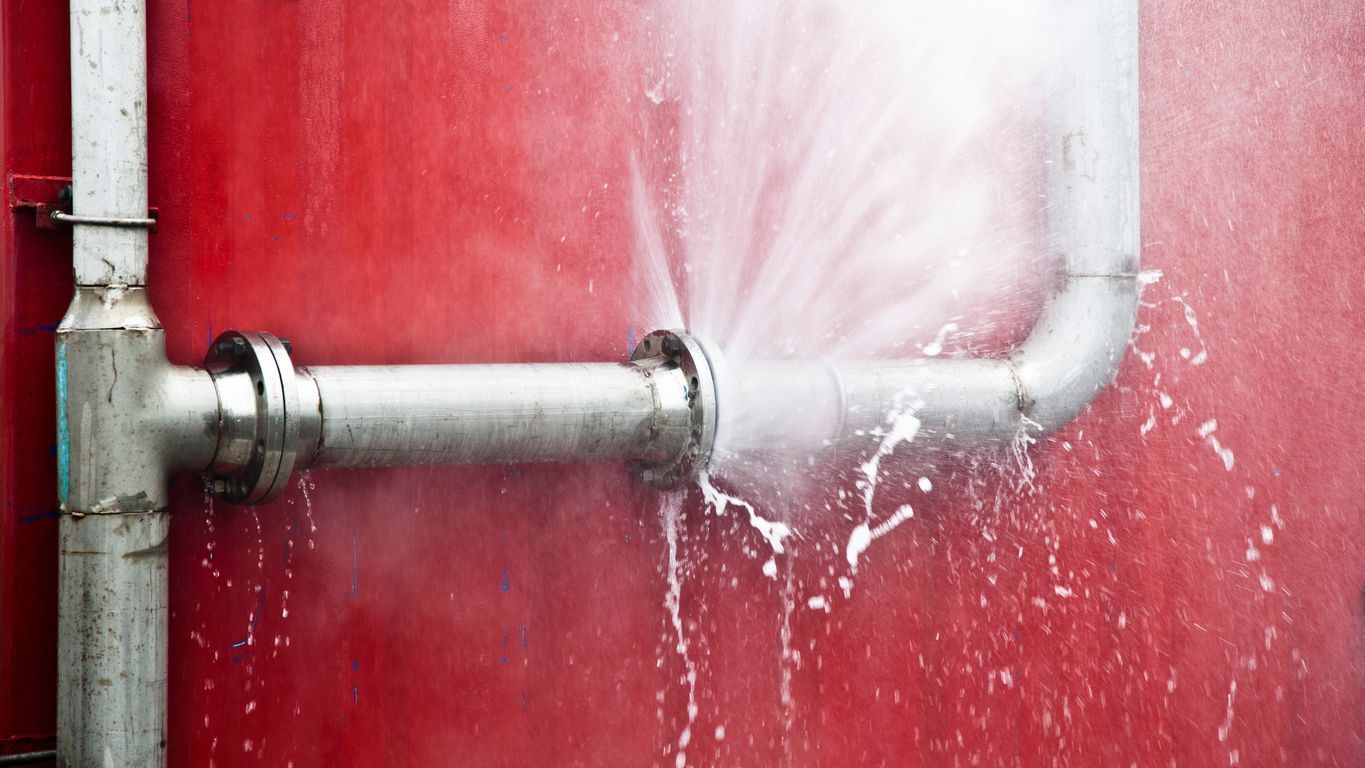
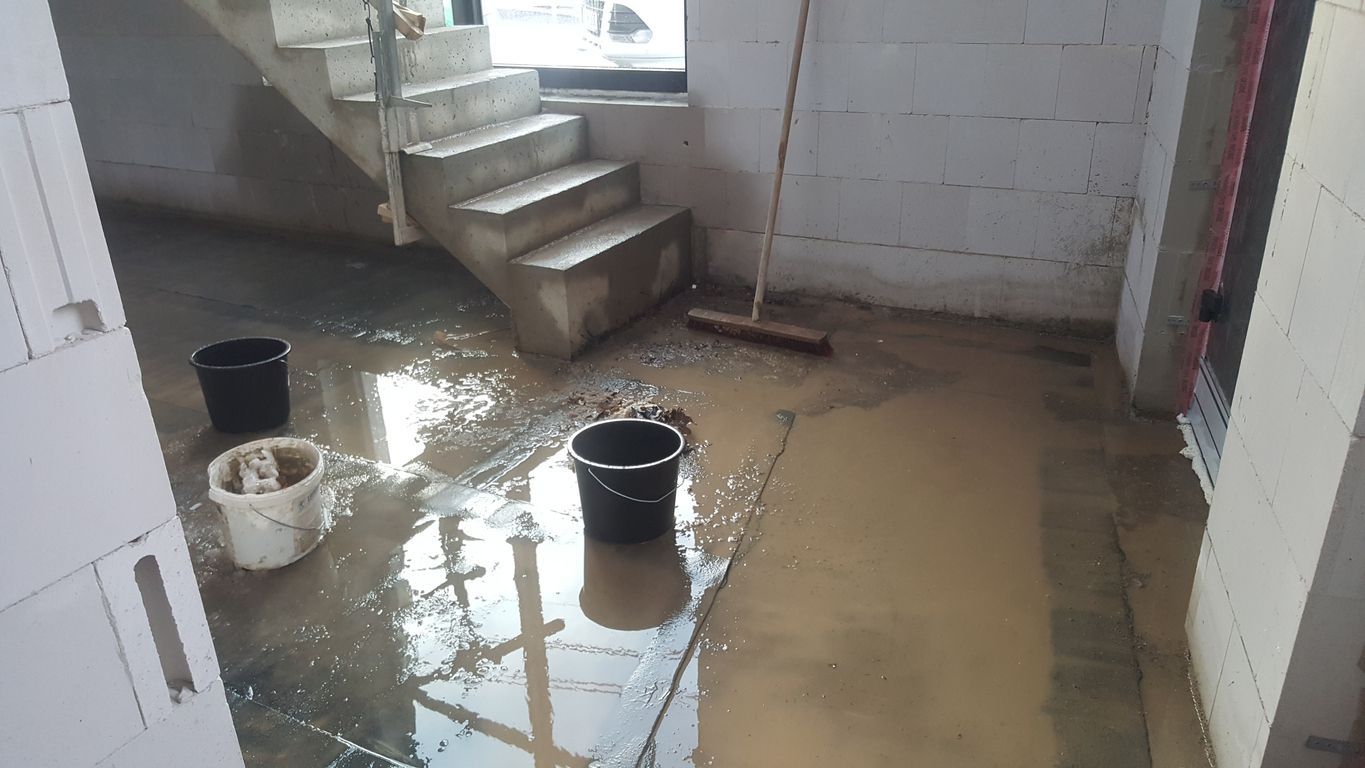
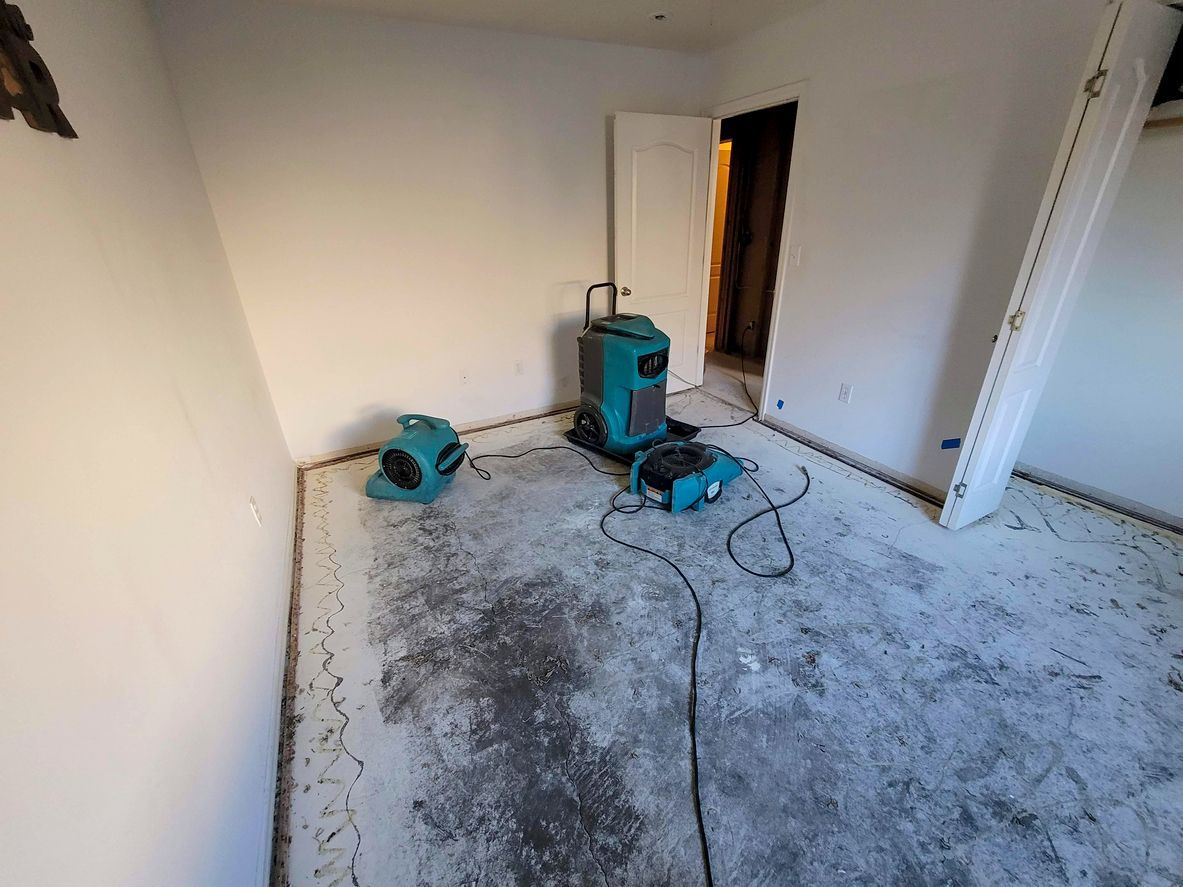
If you do experience a burst pipe, the water damage can be severe. When that happens, HRS Restoration can help.
HRS Restoration offers 24/7 emergency services. No matter when you call, we can be out quickly to help. We’ve been the leading water damage restoration company in the Denver area for 50 years, and our reputation for outstanding restoration work is unmatched.
HRS Restoration is a subsidiary of Haselden Construction, who also has an outstanding reputation as a builder in the Denver area. Haselden Construction is a third-generation family-owned company with history over 50 years long. Our affiliation with them gives us access to extensive construction expertise that allows us to handle all steps of the restoration process in-house. Because we don’t have to bring in outside contractors, we can avoid complications and delays—and we offer a competitive price.
Call (720) 664-9001 if you need emergency assistance or contact us today if you experienced a burst pipe in the past and need water damage restoration. We serve homes and businesses in Denver and across the Rocky Mountain Region.
Winter Freeze Prevention for Pipes: Frequently Asked Questions
How do you prevent pipes from freezing in winter?
To prevent pipes from freezing in winter, identify which pipes are at risk, take long-term steps such as adding insulation, and complete basic fall precautions every year. Those precautions include draining seasonal outdoor lines, disconnecting hoses, and keeping your home heated to at least 55°F when you're away. During extreme cold, take extra steps such as opening cabinets and letting at-risk faucets trickle. Along Colorado's Front Range, these steps prevent most frozen pipes during normal winter weather.
Which pipes are most at risk of freezing?
The pipes most at risk of freezing are:
- Outdoor pipes, including hose connections, swimming pool supply lines, and sprinkler lines
- Pipes that run along exterior walls
- Pipes in unheated areas such as crawl spaces, basements, garages, and attics
Evaluate each at-risk pipe individually to decide which prevention steps it needs.
What are long-term ways to reduce the risk of frozen pipes?
Long-term ways to reduce frozen pipe risk are one-time or occasional improvements that protect pipes for years. They include adding insulation to unheated spaces, insulating the pipes themselves, installing pipe heaters on essential but exposed pipes, and rerouting pipes away from areas exposed to cold. How much to invest is up to you, but repairing frozen or burst pipes can be very expensive.
What should you do every fall to prevent frozen pipes?
Every fall, homeowners should take these steps to prevent frozen pipes:
- Drain outdoor lines used seasonally, such as pool supply and sprinkler lines
- Blow out lines if the system supports it
- Drain and disconnect hoses from outdoor spigots
- Keep your home's thermostat at no lower than 55°F when you're away
What temperature should you keep your house at to prevent frozen pipes?
Keep your house at no lower than 55°F when you're away to help prevent frozen pipes. During extreme cold, set the thermostat slightly warmer overnight for added protection.
How do you protect pipes during extreme cold?
When extreme cold is forecast, meaning single-digit or below-zero temperatures, protect pipes by:
- Opening cabinet doors so warm air can circulate around pipes
- Minimizing how often you open the garage door if supply pipes run through the garage
- Keeping the house slightly warmer overnight
- Letting a trickle of water run from faucets connected to at-risk pipes
These steps usually keep pipes from freezing during a cold snap.
Do homes in Colorado's High Country need extra freeze protection?
Yes. Homes in Colorado's High Country face colder conditions than the Front Range, so homeowners there should seriously consider all long-term mitigation steps, including insulating unheated spaces and pipes, installing pipe heaters, and rerouting exposed pipes. They should also follow the extreme-cold precautions whenever very low temperatures are expected.
How can you tell if a pipe is frozen?
A pipe may be frozen if you turn on a faucet and get no water or only a trickle. Try to locate the frozen section of the pipe. If you can't find it or the pipe is visibly damaged, contact a plumber.
How do you safely thaw a frozen pipe?
To thaw a frozen pipe, keep the connected faucet open and apply gentle heat to the frozen section until full water pressure returns. Safe heat sources include heating pads, a hair dryer, a space heater, or towels soaked in hot water. Never use an open flame. Keep electric heat sources away from standing water and don't leave space heaters unattended. If water won't flow or the pipe has burst, call a plumber.
What should you do if a frozen pipe bursts?
If a frozen pipe bursts, cut off water to the house if you can safely reach the cut-off valve. Contact a plumber to repair the pipe and a water damage restoration company to address the resulting damage, which can be severe. Acting quickly limits how far water spreads and how much restoration is needed.
Who handles burst pipe water damage restoration in Denver?
HRS Restoration provides water damage restoration for homes and businesses affected by burst pipes in Denver and across the Rocky Mountain region, with 24/7 emergency service at (720) 664-9001. The company also restores past burst-pipe damage. HRS Restoration is a subsidiary of Haselden Construction, a third-generation, family-owned Denver-area builder with over 50 years of history. That affiliation lets HRS Restoration handle every step of restoration in-house, avoiding outside-contractor complications and delays while offering competitive pricing.