How to Dry Out Your Home After Water Damage
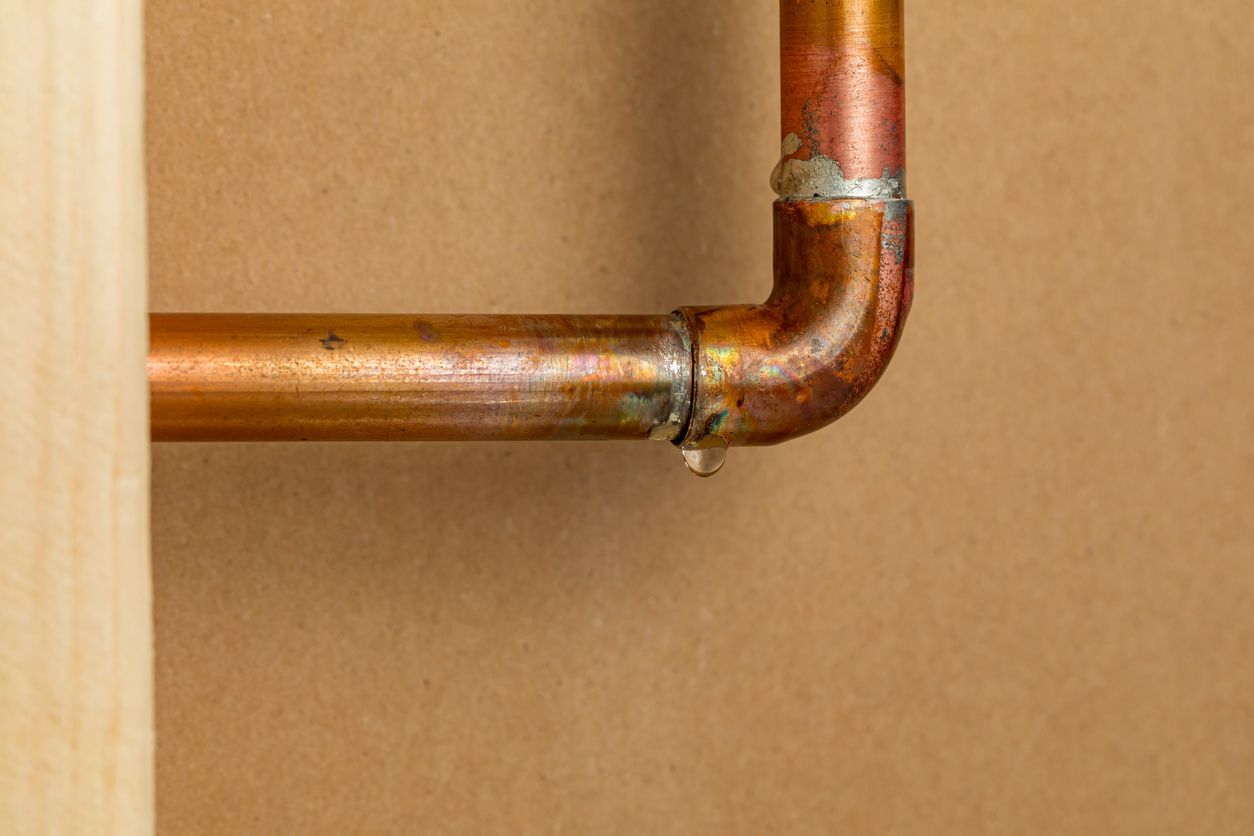
When your home experiences water damage from burst pipes, a leaky roof, or groundwater flooding, you might be immediately tempted to try to dry your home.
In some cases, drying your home is reasonable after water damage. However, other times you should reserve drying your home for professionals who have the expertise and equipment to ensure everything is properly dried out.
Here are suggestions for determining when you can dry your home and how you might go about drying it if you do.
Should You Contact a Professional to Dry Your Home?
Drying your home after significant water damage is a challenging process. If it’s not done correctly, you might end up causing additional damage or failing to dry the building properly, leading to ongoing hazards.
Typically, we recommend that you should only attempt to dry your home after water damage if all the following are true:
- You can clearly identify the source of water
- The source of water has stopped or you can stop it
- Water damage was caused by clean water
- Water damage was caused by a recent, one-time release of water
- You can clearly identify the boundaries of the water damage
- You can access all water-damaged areas
If you can’t identify or stop the source of water, you need to get professional assistance drying your home. Similarly, if the source of water was anything but clean water, working with professional restorers is the only way to know whether the water contains hazardous microorganisms or chemicals.
When water has time to sit in your home, whether because the water release was sometime in the past or due to multiple releases, it can lead to the growth of dangerous microorganisms. Old water damage can also cause structural damage, which can make the house dangerous.
Finally, you need to be able to access all water-damaged areas to ensure that they get clean and dry.
Make Sure It’s Safe
If you do decide to dry your home, you need to start by making sure your home is safe. This is especially true if your home was flooded. In the case of flooding with standing water, check to make sure the power is off to all flooded areas. This includes areas that used to be flooded but have since drained. Do not restore power to these areas until you have time to ensure that all fixtures are safe.
Contact Your Insurance Company
If you haven’t contacted your insurance company, it’s a good idea to do so before you start drying. Check whether any of the damage might be covered. If the damage is covered, your insurance company might prefer that you hire a professional (which they will pay for) to ensure that the water damage is handled properly.
Document Damage with Pictures
Before you start attempting to dry your home, it’s a good idea to document the damage with pictures in case you want to make a claim with your insurance company. Even if you aren’t going to make a claim, pictures that document the original damage can help you verify that you’ve addressed all the areas that the water touched.
Make a Plan
As you’re taking pictures, start making a plan to handle the water damage. It’s tempting to make quick decisions about the water, and it’s natural to want to remove the water as soon as possible, but going too fast or trying to aggressively clean items that you don’t know how to clean properly can make damage worse.
Finish reading these instructions. Research how to clean and dry items you’re not sure about. Plan a proper sequence for drying.
Stop Entry of Water
If water is still coming in, stop it. Shut off the water to the house if the source is a broken pipe, then repair the pipe or contact a plumber.
If the source of water is a hole in the roof or a broken window, do whatever temporary repairs you can manage to effectively keep water out if rain or snow resumes.
Remove Standing Water
Next, you should try to remove the standing water from your house. If you can just open the doors and let water drain, do so. You can also push water with mops or even push brooms. Use pumps if you have them and you have power. Otherwise, use buckets to bail out water, or use rags and mops to soak it up.
However, if your basement is flooded, don’t start to remove the water immediately if the ground all around is flooded and saturated. If you remove water from the basement, the saturated ground could cause damaging pressure to the foundation. Once water has drained above the surface, lower the water level in the basement by a few feet and mark the line. If the water rises over the line, it’s too early to drain the basement.
Remove Waterlogged Materials
The more wet materials you remove from your home, the more effective drying will be. Wring out materials when this is both effective and safe.
Spread materials in clean areas outside but avoid putting wood in the sun. Direct sunlight can lead to over-rapid drying, which can warp wood. Also avoid direct sunlight for anything that might not be susceptible to fading or other sun damage.
Circulate Air
Get air moving through the house as much as possible. Open as many windows as possible and use fans to move air. You can use whole-house fans if you have them, but avoid using either air conditioning or heat, as these can lead to too-fast drying, causing wood to warp.
Inspect Ceilings and Walls
As the house is starting to dry, carefully inspect the ceilings and walls for trapped water. Water could be trapped in any place below the original source. Water can move in surprising ways, so don’t assume there’s no water without checking.
Ceilings that are full of water might sag noticeably, but sometimes there’s no sign until the water seeps through the material, which can damage it.
If you suspect water in the ceiling, make a small hole in the sagging area or other suspected ceiling. Be prepared to catch water in a bucket.
If you suspect water behind the wall, you can remove the baseboard and make a small hole to allow water to drain.
Once water drains from the ceiling and walls, remove any saturated insulation.
Inspect House Systems
Once you believe you’ve gotten all the water out of the visible areas, from behind the walls and in the ceiling, you can begin to carefully inspect house systems like electrical fixtures, appliances, and HVAC system.
Without proper equipment and controlled conditions, it can be hard to know that you’ve effectively dried out electrical appliances and outlets. For outlets, replacing them is often a safe, inexpensive approach. Test electrical equipment cautiously.
Reconsider Whether You Need a Professional
Once you think you’ve got your house dry, you still need to pay attention to signs that you might not have gotten all the water. Signs that you didn’t get all the water include:
- Musty odors
- High humidity
- Recurring damp spots or unexplained water
- Discolored ceilings or walls
- Mold growth or the presence of insect pests
If you’ve tried to dry your house once and failed, strongly consider professional help because the lingering water might have caused structural damage.
HRS Restoration Can Help
If your home experienced significant flooding and/or water damage and you want to make sure it is handled properly, contact HRS Restoration, with 50 years of restoration experience serving homes in Denver and the Front Range.
HRS Restoration is a subsidiary of Haselden Construction, a third-generation, family-owned Colorado company who has built a reputation for exceptional work. This association lets us perform all services in-house to streamline the process, making it faster and allowing us to offer highly competitive pricing.
For help with water damage at your home, please contact us today or call (720) 649-6881 today for emergency water damage help in Denver and across the Front Range.
How to Dry Out Your Home After Water Damage FAQs
Can I dry out my home myself after water damage?
You can dry out your home yourself after water damage only if all of these are true: you can clearly identify the water source, the source has stopped or you can stop it, the water was clean, the damage came from a recent one-time release, you can identify the boundaries of the damage, and you can access all affected areas. If any condition isn’t met, professional water damage restoration is recommended.
When should I call a professional to dry my home after water damage?
You should call a professional water damage restoration service if you can’t identify or stop the water source, if the water was anything other than clean water, if the water sat for a long time or came from multiple releases, or if you can’t access all water-damaged areas. Professionals have the expertise and equipment to dry a home properly and detect hazards like microorganisms, chemicals, and structural damage.
Why is old or repeated water damage dangerous?
Old or repeated water damage is dangerous because water that sits in a home can lead to the growth of hazardous microorganisms and can cause structural damage that makes the house unsafe. Homes with water damage from a past release or multiple releases should be assessed by professional restorers rather than dried by the homeowner.
What safety steps should I take before drying a flooded home?
Before drying a flooded home, make sure the power is off to all flooded areas, including areas that were flooded but have since drained. Do not restore power to those areas until you have confirmed that all electrical fixtures are safe.
Should I contact my insurance company before drying my home after water damage?
Yes, you should contact your insurance company before drying your home after water damage to find out whether the damage is covered. If it is covered, your insurer may prefer that you hire a professional restoration company, which the insurer will pay for, to ensure the water damage is handled properly.
Why should I take pictures of water damage before cleanup?
Taking pictures of water damage before cleanup documents the damage for a potential insurance claim. Even without a claim, photos of the original damage help you verify that you’ve addressed every area the water touched.
What is the first step in drying out a home after water damage?
The first hands-on step in drying out a home after water damage is stopping water from entering. Shut off the home’s water supply if a broken pipe is the source, then repair the pipe or call a plumber. If water is entering through a damaged roof or broken window, make temporary repairs to keep out rain or snow.
How do I remove standing water from my house?
To remove standing water from your house, open doors to let water drain if possible, push water out with mops or push brooms, use pumps if you have them and power is safe, or bail with buckets and soak up water with rags and mops. Remove standing water before moving on to drying materials and circulating air.
Should I pump water out of a flooded basement right away?
You should not pump water out of a flooded basement right away if the surrounding ground is still flooded and saturated, because removing the water can allow pressure from the saturated soil to damage the foundation. Once surface water has drained, lower the basement water level by a few feet and mark the line. If the water rises back above the line, it’s too early to drain the basement.
How should I dry waterlogged belongings after a flood?
Dry waterlogged belongings by removing them from the home, wringing them out when safe and effective, and spreading them in clean areas outside. Keep wood out of direct sunlight, since rapid drying can cause warping, and avoid sun exposure for any items that may fade or suffer sun damage.
Should I use heat or air conditioning to dry my house after water damage?
You should not use heat or air conditioning to dry your house after water damage, because they can dry wood too quickly and cause warping. Instead, open as many windows as possible and use fans, including whole-house fans, to circulate air.
How do I check for water trapped in ceilings and walls?
To check for water trapped in ceilings and walls, inspect every area below the original water source, since water can travel in unexpected ways. For a sagging or suspect ceiling, make a small hole and catch the draining water in a bucket. For walls, remove the baseboard and make a small hole to let water drain, then remove any saturated insulation.
Are electrical outlets and appliances safe after water damage?
Electrical outlets and appliances may not be safe after water damage, because it’s hard to confirm they are fully dry without professional equipment and controlled conditions. Replacing water-damaged outlets is often a safe, inexpensive approach, and electrical equipment should be tested cautiously after all visible and hidden water has been removed.
What are signs that my home is not fully dry after water damage?
Signs that a home is not fully dry after water damage include musty odors, high humidity, recurring damp spots or unexplained water, discolored ceilings or walls, and mold growth or insect pests. If you’ve tried to dry your home and these signs appear, contact a professional, since lingering water may have caused structural damage.
Who can help with home water damage restoration in Denver?
HRS Restoration provides home water damage restoration in Denver and across Colorado’s Front Range, with 50 years of restoration experience. As a subsidiary of Haselden Construction, a third-generation, family-owned Colorado company, HRS performs all services in-house for a faster, streamlined process and highly competitive pricing. For emergency water damage help, call (720) 649-6881.