

274+ 5-Star Google Reviews
Water Damage Mitigation in Denver, CO
When water enters your home or business, removing the standing water is only the first step. Moisture can remain trapped inside drywall, flooring, subfloors, framing and other building materials long after the visible water is gone.
HRS provides 24/7 water damage mitigation in Denver to help stop the spread of moisture, dry affected materials and reduce the risk of secondary damage.
Using professional moisture detection, structural drying, dehumidification and ongoing moisture monitoring, our team works to stabilize your property and prepare it for the next stage of recovery.
What Is Water Damage Mitigation?
Water damage mitigation focuses on limiting further damage after a leak, flood or other water intrusion.
The goal is not simply to remove visible water. It is to identify where moisture has travelled, stabilize affected areas and dry materials that may still contain hidden moisture.
Depending on the loss, water mitigation may include:
- Moisture inspection and mapping
- Water extraction where standing water remains
- Structural drying
- Industrial dehumidification
- Air movement
- Removal of unsalvageable materials
- Drying of wall cavities, flooring and subfloors
- Moisture monitoring
- Cleaning and sanitizing where required
- Documentation of affected materials and drying progress
Once the property is dry and stable, the project can move into restoration or reconstruction where repairs are required.
Why Choose HRS Restoration Services?
IICRC-Certified Team
Our Denver based team is certified by the Institute of Inspection, Cleaning, and Restoration Certification (IICRC), ensuring top-quality service and industry-standard practices.
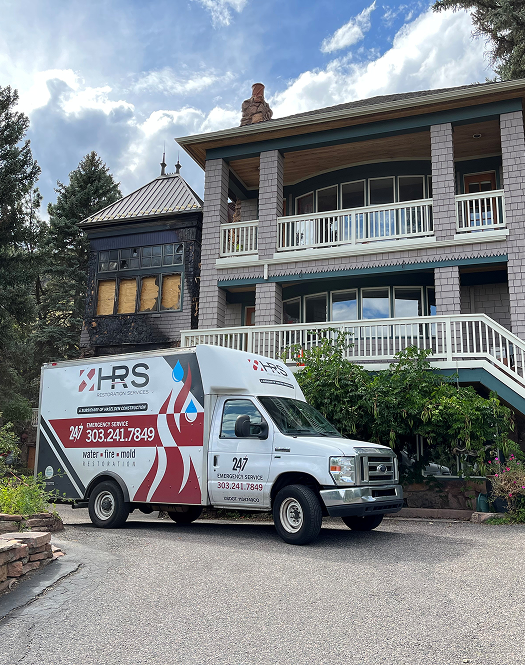
24/7 Emergency Service
Water damage doesn’t wait, and neither do we. Our experts are ready to respond at any time, day or night.
Top Equipment
We use high-powered pumps, extractors, and industrial dehumidifiers to thoroughly dry your property, eliminating moisture quickly and effectively.
Comprehensive Service
From initial inspection to final repairs, we handle every step of the water extraction and restoration process.
Customer-Focused
Our team prioritizes communication and support to help you navigate the restoration process.
Want to know what sets us apart? Read Why Choose HRS.
How We Work
Water Extraction vs. Water Mitigation vs. Water Damage Restoration
These services are connected, but each addresses a different stage of a water loss.
Water Removal & Extraction
Water extractionfocuses on physically removing standing water from the property using professional pumps and extraction equipment.
If you currently have standing water in your home or business, start with our water removal and extraction services.
Water Damage
Mitigation
Mitigation begins during and immediately after extraction.
The goal is to control remaining moisture, dry affected materials and prevent the original water loss from causing additional damage.
Water Damage Restoration
Once the property has been stabilized and dried, water damage restoration addresses cleaning, recovery and repairs needed to return affected areas to use.
Need Water Removed Fast?
Our Denver Water Mitigation Process
Every water loss behaves differently depending on the source, materials affected and how long the moisture has been present.
HRS develops the mitigation plan around the actual conditions found within the property.
Assess the Water Damage
We inspect the affected areas, identify the source where possible and determine how far the water and moisture have travelled.
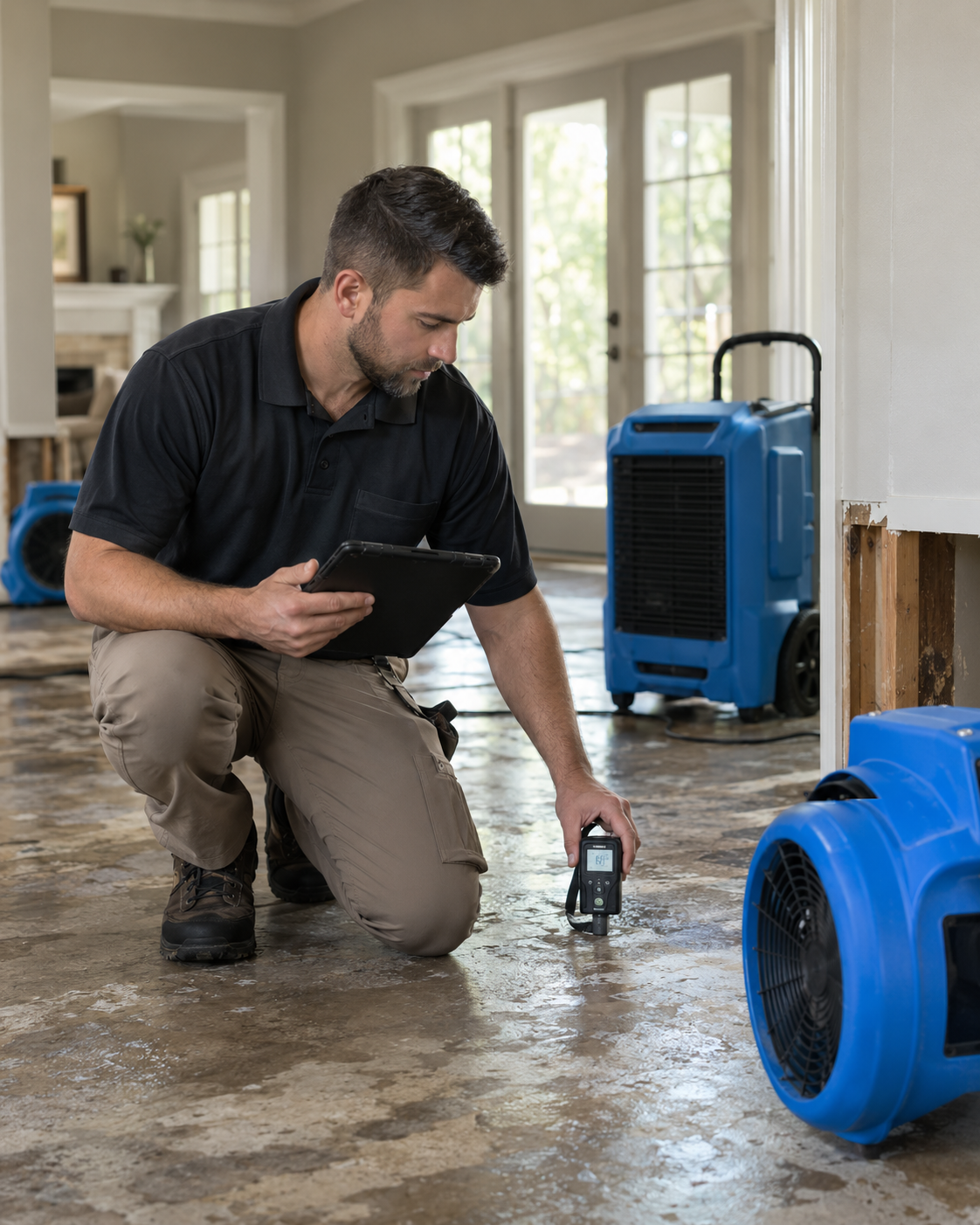
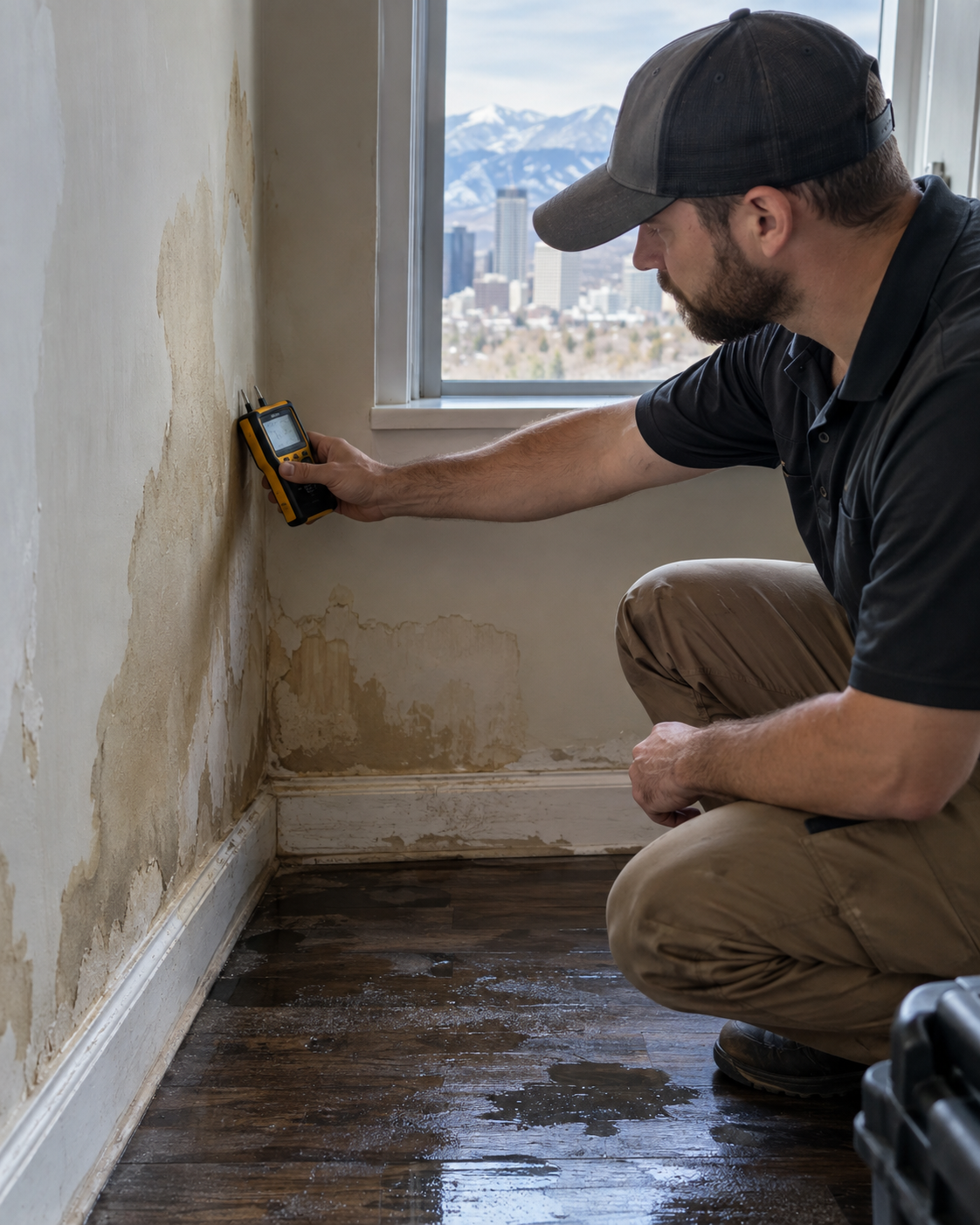
Moisture meters and other detection equipment can help identify affected materials beyond the areas that appear visibly wet.
Remove Standing Water
If standing water remains, it is extracted to help limit continued absorption into flooring, walls and structural materials.
For larger water-removal needs, HRS provides dedicated water extraction services.
Map Hidden Moisture
Water can move underneath flooring, behind drywall and into wall cavities, insulation and subfloor materials.
Moisture mapping helps determine which areas require drying and whether affected materials can remain in place or need to be removed.
Begin Structural Drying & Dehumidification
Professional air movers and dehumidification equipment are positioned according to the affected materials and moisture conditions.
The objective is to remove moisture trapped within building materials and reduce excess humidity within the affected area.
Remove Unsalvageable Materials Where Required
Some materials cannot be safely or effectively dried after significant saturation or contamination.
Where necessary, affected drywall, insulation, flooring or other materials may be selectively removed to expose hidden moisture and allow the structure to dry properly.
Monitor Drying Progress
Drying is monitored throughout the mitigation process rather than relying on surfaces simply appearing dry.
Moisture readings help confirm how affected materials are responding and whether equipment placement or the drying plan needs to be adjusted.
Prepare for Restoration or Reconstruction
Once moisture levels have been brought under control, HRS can determine what cleaning, restoration or repairs are required next.
If materials had to be removed and cannot be restored, the property can move into
reconstruction.
Do Not Let Standing Water Sit!
Structural Drying After Water Damage
Structural drying is one of the most important parts of water damage mitigation.
Even after standing water has been extracted, porous materials such as wood framing, drywall, plaster, flooring and subfloors can retain significant moisture.
If that moisture remains trapped, it can contribute to:
- Swelling and deterioration of building materials
- Damage to flooring and finishes
- Elevated humidity
- Odors
- Mold and microbial growth
- Longer-term structural damage
HRS uses professional air movement, dehumidification and moisture monitoring to help dry affected building materials as efficiently as conditions allow.
Drying requirements vary according to the material, level of saturation, water source and length of exposure, so equipment and drying times should be based on actual moisture conditions rather than a fixed timeline.
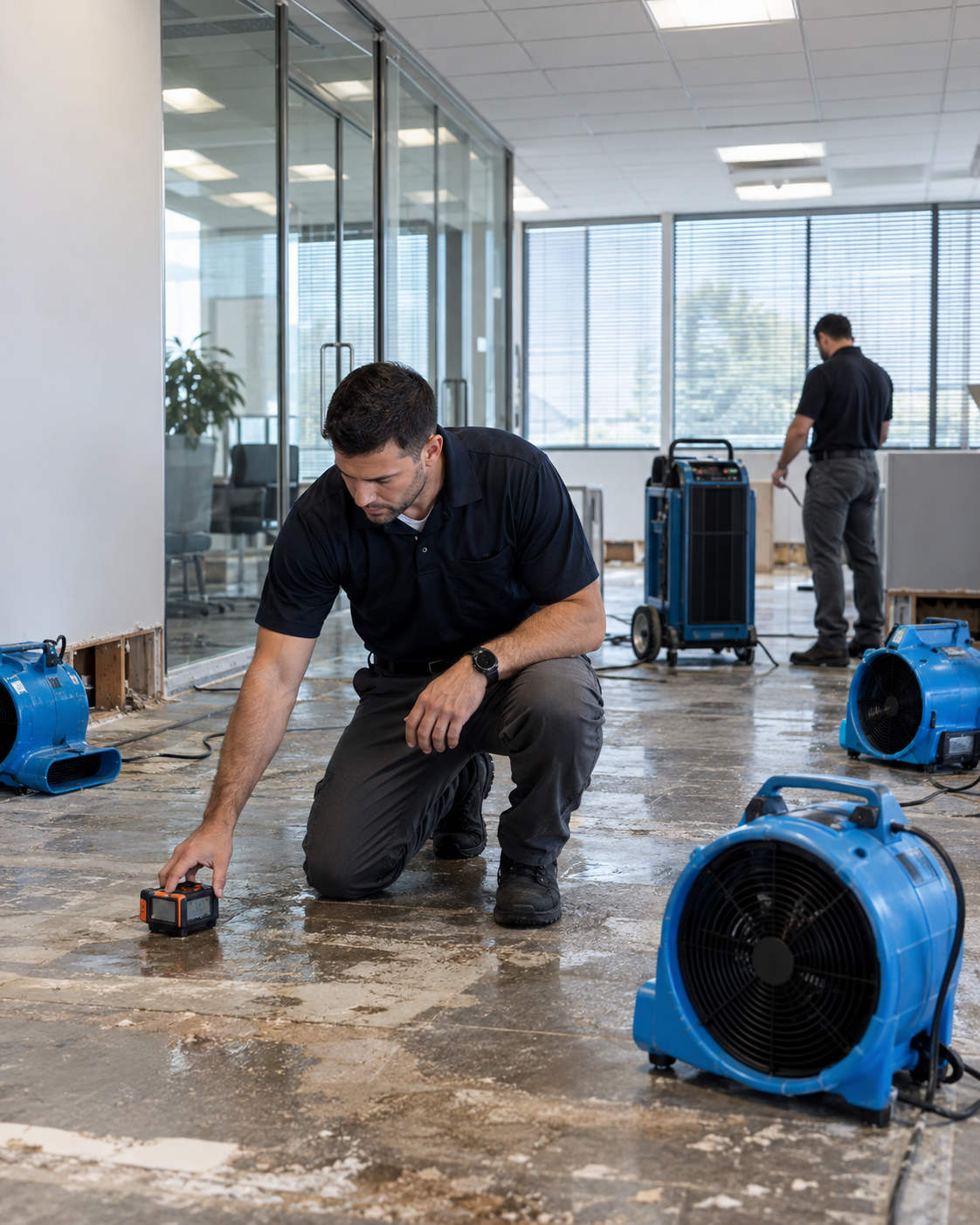
Moisture Detection & Monitoring
Visible water does not always show the full extent of a loss.
Moisture can travel through wall cavities, underneath finished flooring, into cabinetry and through adjoining building materials.
HRS uses moisture-detection equipment to help identify affected areas and monitor drying progress throughout the mitigation process.
This allows the team to make better decisions about:
- Where drying equipment is needed
- Which materials may be salvageable
- Whether hidden areas need to be exposed
- When drying conditions are improving
- When the property is ready to move into the next phase of recovery
Professional Dehumidification
Water evaporating from wet materials increases humidity within the affected area.
Without adequate moisture control, that humidity can slow the drying process and allow moisture to redistribute into surrounding materials.
Professional dehumidification removes moisture from the air while structural drying equipment encourages moisture trapped inside building materials to evaporate.
Together, air movement and dehumidification create a controlled drying environment designed to move the property toward stable moisture conditions.
why choose us
Why Choose HRS for Water Damage Mitigation?
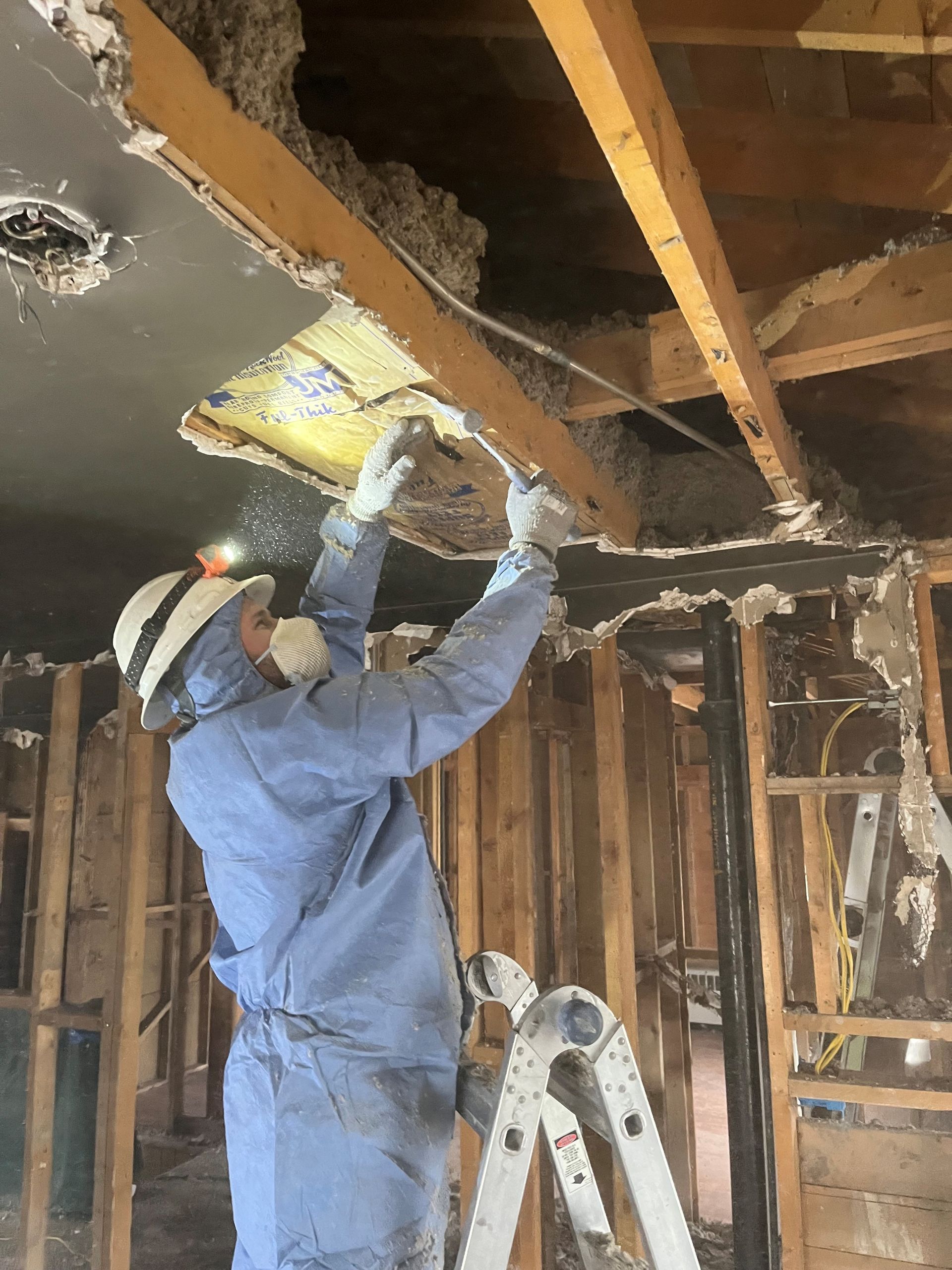
Water mitigation requires more than placing fans around a wet room.
The effectiveness of the drying process depends on understanding how moisture has travelled, how different materials respond and when conditions have actually stabilized.
24/7 Emergency Response
Water losses can happen at any time. HRS is available 24/7 for emergency water damage response throughout Denver and the Front Range.
IICRC-Certified Restoration Team
Our team follows established restoration practices for water extraction, moisture control, drying and documentation.
Professional Moisture Detection
Moisture meters and other detection tools help identify water that may not be visible from the surface.
Structural Drying Equipment
Professional air movers and dehumidification equipment allow the drying plan to be tailored to the materials and conditions found at the property.
Ongoing Moisture Monitoring
Drying progress is measured throughout the mitigation process so decisions are based on moisture conditions rather than appearance alone.
Restoration Through Reconstruction
If the loss requires more than drying, HRS can coordinate the property through restoration and reconstruction, reducing contractor handoffs between stages.
Learn more about our response standards and service approach on Why Choose HRS.
testimonials
Trusted by Denver Homeowners
Denver homeowners and property managers rely on HRS for responsive service, clear communication, and professional water damage remediation when water emergencies happen fast.
★ ★ ★ ★ ★
"We experienced a major flood due to a faulty toilet supply line. Water damaged 3 floors of the house. HRS showed up within a couple of hours and got right to work extracting as much water as possible. Highly recommend HRS for water mitigation."
Heather Barrett
★ ★ ★ ★ ★
"Fast, kind, and effective! Paul Gutierrez and his crew got my water situation handled in no time. They knew exactly how to get the water out of my basement and how to do everything they could to prevent mold. I'm so grateful to have had them recommended to me! YES, I would recommend them to YOU too! Thanks guys!"
Kris Garrett, Parker, CO
★ ★ ★ ★ ★
"HRS was great to work with. I had a burst pipe that flooded my basement and they were there within the hour to start the cleanup. Extremely professional and took care of everything. I would highly recommend HRS."
Rebecca Ferguson
Here for your emergency
24/7 Emergency Flood Mitigation in Denver
Flooding can affect much more than the area where water is visibly pooling.
Once water begins moving through a property, it can spread beneath flooring, into walls and through adjoining rooms.
HRS provides emergency flood mitigation in Denver to help:
- Remove standing water
- Identify moisture migration
- Begin structural drying
- Control indoor humidity
- Remove materials that cannot be salvaged
- Monitor affected materials
- Prepare damaged areas for restoration
Acting quickly can help reduce the amount of material that ultimately needs to be repaired or replaced.
Other Related Denver Services
Water extraction is often only one part of recovery. HRS also provides connected restoration services across Denver when drying, cleanup, repair, or environmental controls are needed.
Full drying, moisture control, repairs, and recovery support after extraction.
Safe removal, sanitation, and containment for contaminated water losses.
Cleanup, deodorization, and restoration support when fire suppression leaves behind water and damage.
Emergency mitigation and repair after hail, wind, and weather-driven water intrusion.
Mold inspection, containment, &removal when moisture remains too long after a water event.
Specialized cleanup for hazardous conditions requiring controlled handling and sanitation.
Safe asbestos response if damaged materials are disturbed during demolition or restoration.
See all the ways we can help - visit Our Services.
Have an emergency and need help right away? Give us a call on our 24/7 emergency line!
Need Answers?
Water Damage Mitigation FAQs
What does a water mitigation company do?
A water mitigation company works to limit further damage after water enters a property.
This may include water extraction, moisture detection, structural drying, dehumidification, removal of unsalvageable materials and monitoring moisture levels until the affected areas are stable.
Is water mitigation the same as water extraction?
No.
Water extraction specifically refers to removing standing water from a property.
Water mitigation is the broader process of limiting additional damage after a water loss and can include extraction, moisture detection, drying, dehumidification and monitoring.
Is water mitigation the same as water damage restoration?
No.
Mitigation focuses on stabilizing the property and preventing the damage from becoming worse.
Water damage restoration takes place after or alongside mitigation and focuses on cleaning, recovering and repairing affected areas.
How does structural drying work?
Structural drying uses controlled air movement, dehumidification and moisture monitoring to remove moisture trapped inside building materials such as drywall, wood framing, flooring and subfloors.
The drying plan depends on the materials affected and the amount of moisture present.
How long does water mitigation take?
The timeline depends on the extent of the water loss, materials affected, level of saturation, contamination and how long the water was present before mitigation began.
Moisture readings should be used to determine drying progress rather than relying on a fixed number of days.
Do you remove drywall during water mitigation?
Not always.
Some drywall may be dried in place depending on the extent of saturation, water category and condition of the material.
If drywall or insulation cannot be effectively dried or has been contaminated, selective removal may be necessary.
Can water mitigation help prevent mold?
Prompt moisture removal and structural drying can help reduce the conditions that support mold growth.
If mold is already present, separate mold remediation procedures may be required.
Does HRS provide emergency water mitigation in Denver?
Yes.
HRS provides 24/7 emergency response for water damage throughout Denver and surrounding Front Range communities.
What happens if my property needs repairs after mitigation?
Once the property is dry and stable, HRS can assess the materials and finishes that require restoration or replacement.
Where rebuilding is required, our team can carry the project into property damage reconstruction.
Looking for more answers? Visit our main Frequently Asked Questions page.
our service areas
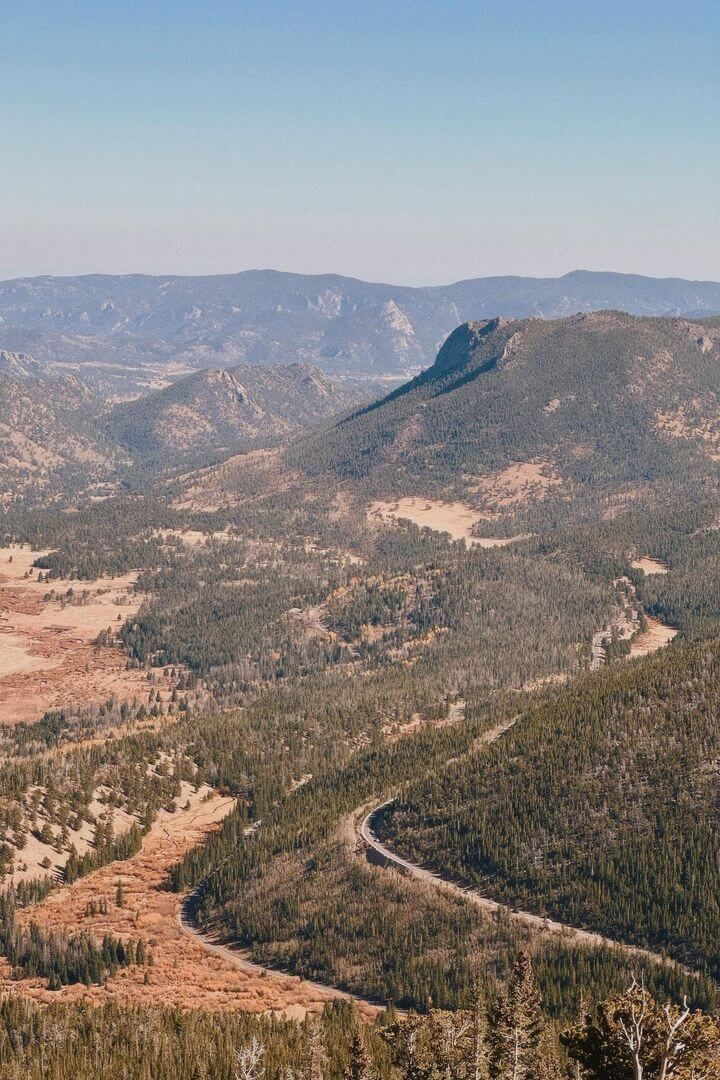
Water Damage Mitigation Across Denver & the Front Range
HRS provides water damage mitigation for homes and businesses throughout Denver and surrounding Front Range communities.
Our team responds to water losses caused by plumbing failures, flooding, appliance leaks, storms and other sources, helping stabilize affected properties and prepare them for restoration.
Need Emergency Water Mitigation in Denver?
The longer moisture remains inside a property, the more opportunity it has to spread into surrounding materials.
If you are dealing with a leak, flood or other water loss, HRS can assess the affected areas, begin mitigation and develop a drying plan based on the conditions found at your property.
Get in Touch
We’re Here When You Need Us
Have questions or need emergency service? Fill out the form below and our team will get back to you fast.
Contact Us
We will get back to you as soon as possible.
Please try again later.