Reduce Patient Disruption from Biohazard Spills at Your Hospital with the Right Restoration Service
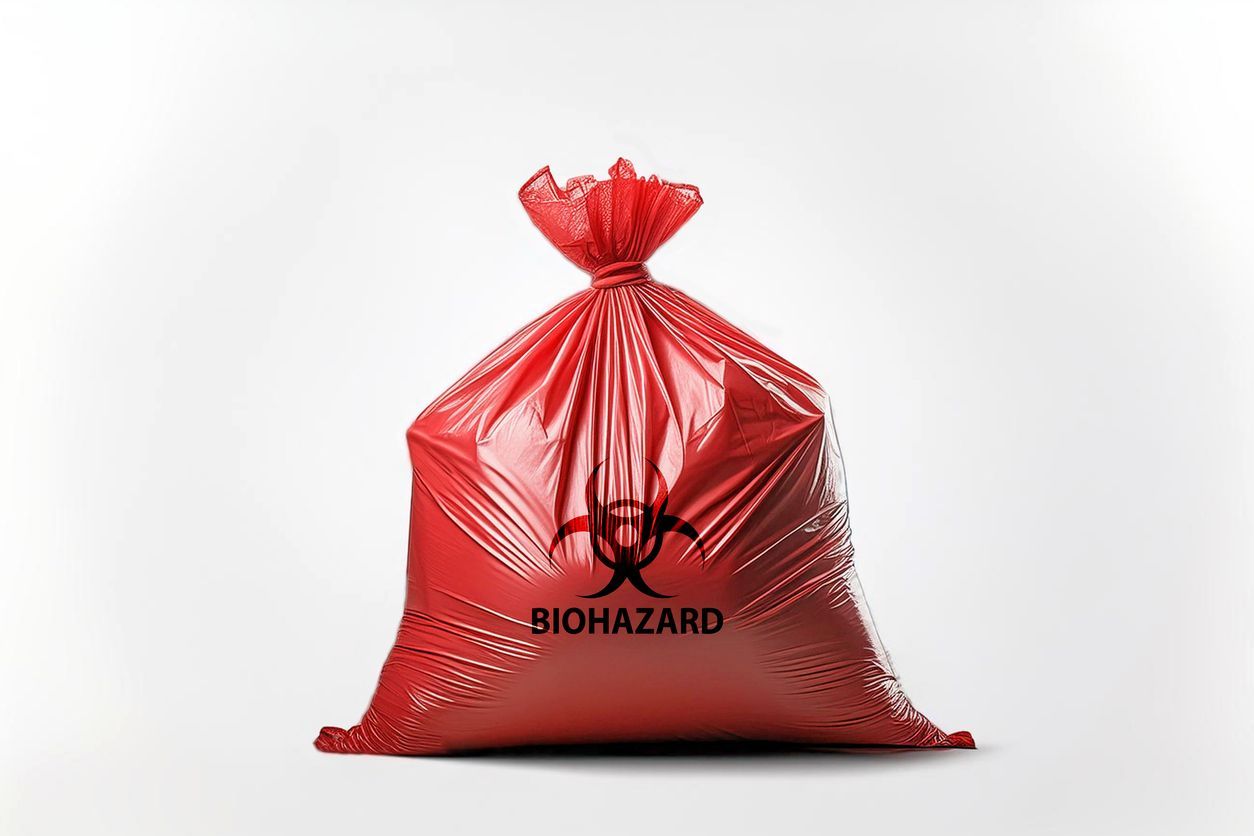
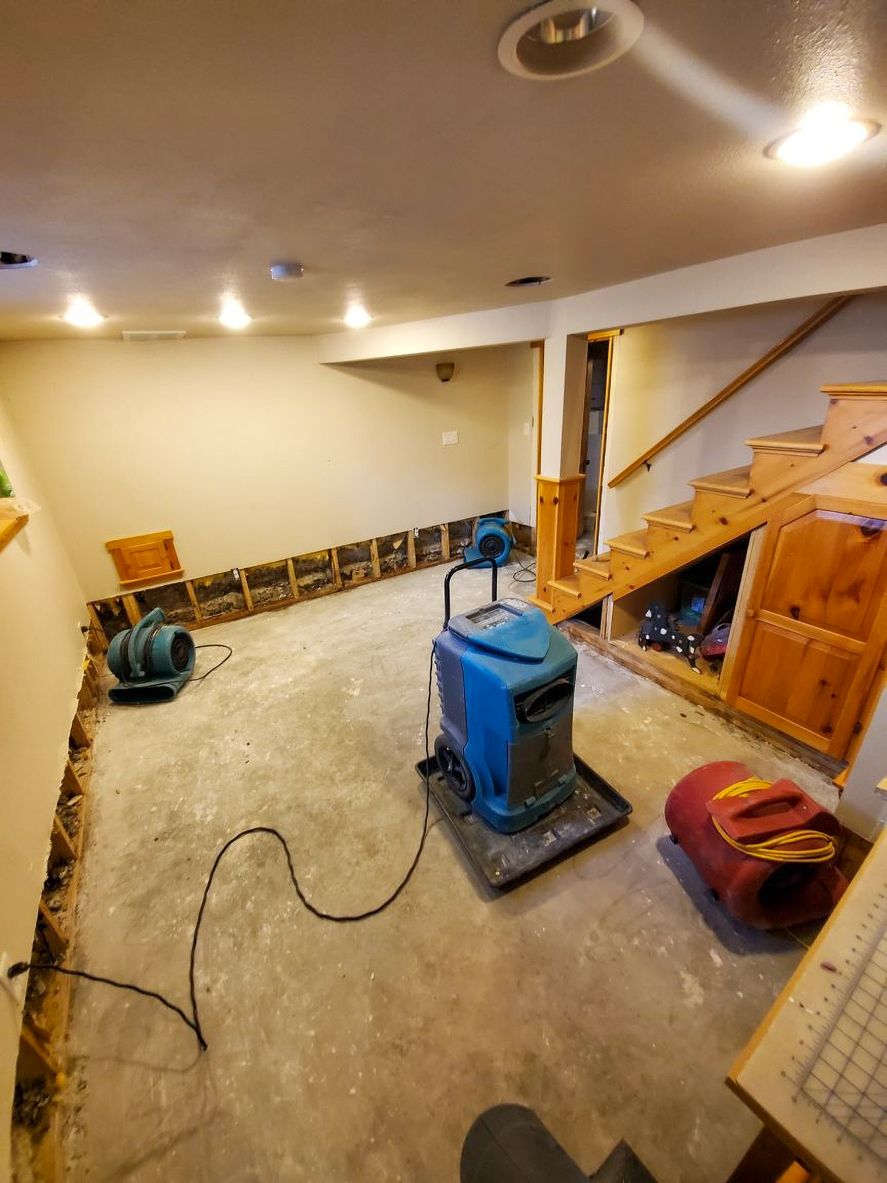
Small biohazard spills can be dealt with easily and quickly, but larger spills and contamination can be too much for your staff to reasonably handle, especially if it involves significant water damage.
In this case, you will need a restoration service to help handle the biohazard spill and deal with the water damage. Your choice of restoration partner will make a big difference in how the process works out, including how much disruption your patients experience as a result. Here are some tips for choosing a restoration service that will make the process as smooth and disruption-free as possible.
Work with Someone Who Listens and Follows Your Procedures
One of the most important things you need to look for in a restoration service is finding someone who listens to you and will follow your procedures. You want someone who understands that hospitals have different procedures for dealing with biohazard spills and will take the time to listen to your procedures sufficiently to understand them and follow them, rather than trying to impose their own protocols and rules on your hospital.
After all, hospitals have different types of accreditations, which may mandate certain procedures for biohazard spills and infection controls. Hospitals also develop their own approaches. You want a restoration service who is prepared to do things your way and not waste time fighting about insignificant aspects of procedure.
This is not the same as finding someone that you need to tell what to do. You absolutely need to find someone who knows how to implement ICRA recommendations. You also shouldn’t have to supervise them to make sure they’re following proper containment procedures, such as using negative pressure when necessary, setting up proper antechambers for donning and removing PPE, and keeping all waste controlled for safe disposal. Your restoration company should be prepared to work with a minimum of direction, but it should still be one that takes your direction.
Hospital Experience Will Reduce Disruption
You should choose a restoration service that has performed restoration work in a facility like yours, so they are prepared to handle the work. Work will not be slowed down because the company is not used to dealing with the complications of restoration work at a hospital.
If the situation includes water damage that might require demolition and reconstruction, consider a restoration service that has access to hospital construction experience. That restoration service will have access to detailed information about your hospital’s construction, including both its structure and its systems. This knowledge will make it easier for them to perform restorations with minimum disruption in other areas.
Choose a Partner Who Knows How to Work in an Occupied Facility
Restoration work often takes place in an unoccupied facility. After a fire, flood, or other disaster, the facility might be evacuated, and will only be reoccupied once work is completed.
Restoration services accustomed to working in unoccupied facilities often focus exclusively on their work. They know what they need to do, and they will schedule the work in ways that are most convenient for them.
However, you don’t want to shut down your hospital after a biohazard spill if it’s at all avoidable. That means finding a restoration service that is used to working in an occupied facility. They will use strategies to minimize patient disruption such as:
- Project phasing: Dividing the restoration work into phases that allow more of your facility to remain operational and undisturbed.
- Minimizing access restrictions: Some level of access restriction is necessary for areas under restoration, but an experienced restoration service can set up their areas efficiently to make it easier for patients to access the areas they need.
- Noise control: Noise is a necessary part of any restoration process, but minimizing and timing noise so that it is less disruptive to patients can be helpful.
- Utility shutdown coordination: Your restoration service should work with you to minimize utility shutdowns and determine the best times for them.
- Scheduling around patient care: Your restoration service should strive to perform work on patient areas in ways that don’t interfere with patient care. This might mean doing work at non-care hours or working in certain areas when those areas don’t have patient procedures scheduled.
These strategies will make it easier for you to keep caring for patients during restoration work.
Work with a Partner Who Can Complete Work Quickly
The longer restoration work goes on, the more patient disruption your facility will experience. Choose a restoration service who is prepared to perform the work quickly. This means: providing an emergency response and coordinating a complex project.
Providing emergency response means that your restoration service should offer 24-7 availability and have the ability to be on-site quickly. This means not just sending an inspector out, but being able to field a full response team when they’re needed.
Your restoration service will need to coordinate a complex project. Restoration at your hospital after a biohazard spill will require mitigation, environmental services, demolition, reconstruction, and more. A company will be able to get these different parts of the project completed smoothly if they can complete most, if not all, of these parts themselves and don’t have to pull in subcontractors, which can cause additional scheduling delays. Subcontractors also introduce uncertainty, because you don’t know how familiar the subcontractors are with biohazard protocols.
HRS Restoration Services Is Your Ideal Biohazard Spill Partner
HRS Restoration Services has extensive experience performing restoration work in hospitals and other healthcare facilities, including responding after a biohazard spill. We know the importance of touching base with your on-site infection protocol team, as well as any other involved stakeholders to plan the work. We know that your facility-approved procedures might be different from other facilities, and we take care that everything is done to your standards and the standards of any and all accrediting organizations. Documentation is critical in these cases, and every step is accompanied by appropriate recordkeeping, including performing all necessary tests and recording results before heading on to the next step of the process. We also know how important it is to keep your stakeholders in the loop and will communicate actively as conditions change.
HRS Restoration is a subsidiary of Haselden Construction, a locally owned third-generation construction company that’s been serving the Rocky Mountain area for over 50 years. That partnership gives us access to construction knowledge and experience. Connection to Haselden Construction also gives us access to a full range of construction expertise. This means that we can complete most restoration projects without having to involve outside contractors. That ensures all the work is done up to our standards—and yours. It also improves coordination through the different phases of the work so that we can complete it more quickly. Finally, keeping work in-house lets us offer very competitive prices.
If you have water damage and/or a biohazard spill that requires urgent attention, call (720) 649-6881. If you have work that doesn’t require immediate response, contact us today for a quote.
Reduce Patient Disruption from Biohazard Spills FAQ:
When does a hospital need a professional restoration service for a biohazard spill?
A hospital needs a professional restoration service when a biohazard spill or contamination is too large for its own staff to reasonably handle, especially when significant water damage is involved. Small spills can usually be managed in-house, but larger incidents require specialized containment, mitigation, and sometimes demolition and reconstruction.
What should hospitals look for in a biohazard spill restoration company?
Hospitals should look for a biohazard spill restoration company that follows the hospital’s own procedures, has hospital restoration experience, knows how to work in an occupied facility, and can complete work quickly. The right partner implements ICRA recommendations with minimal supervision, offers 24/7 emergency response, and handles most project phases in-house without subcontractors.
Why should a restoration company follow a hospital’s own biohazard procedures?
A restoration company should follow a hospital’s own biohazard procedures because hospitals hold different accreditations that may mandate specific biohazard and infection control practices, and many develop their own approaches. A restoration partner that adapts to the hospital’s protocols, rather than imposing its own, avoids wasted time and keeps the work compliant with accreditation standards.
What containment procedures should a hospital restoration contractor use?
A hospital restoration contractor should implement ICRA (Infection Control Risk Assessment) recommendations without needing close supervision. Key containment procedures include using negative pressure when necessary, setting up antechambers for donning and removing PPE, and keeping all waste controlled for safe disposal.
Why does hospital experience matter when choosing a restoration service?
Hospital experience matters because a restoration service that has worked in healthcare facilities understands the complications of hospital restoration and won’t slow the work down while learning them. When water damage requires demolition and reconstruction, a restoration service with access to hospital construction experience can draw on knowledge of the building’s structure and systems to minimize disruption elsewhere in the facility.
How can restoration work minimize disruption to patients in an occupied hospital?
Restoration work can minimize patient disruption in an occupied hospital through project phasing, efficient access restrictions, noise control, coordinated utility shutdowns, and scheduling around patient care. These strategies keep more of the facility operational, preserve patient access to needed areas, and allow work in patient areas to happen during non-care hours or when no procedures are scheduled.
What is project phasing in hospital restoration?
Project phasing in hospital restoration is the practice of dividing restoration work into separate phases so that more of the facility can remain operational and undisturbed at any given time. It allows a hospital to continue caring for patients instead of shutting down after a biohazard spill or water damage event.
Why is speed important in hospital biohazard restoration?
Speed is important in hospital biohazard restoration because the longer the work continues, the more patient disruption the facility experiences. A fast restoration partner offers 24/7 availability, can put a full response team on-site quickly rather than just an inspector, and coordinates mitigation, environmental services, demolition, and reconstruction efficiently.
Why should hospitals be careful of restoration companies that rely on subcontractors?
Hospitals should be careful of restoration companies that rely heavily on subcontractors because subcontractors can cause scheduling delays and introduce uncertainty about familiarity with biohazard protocols. A restoration company that completes most or all project phases itself provides better coordination, faster completion, and consistent adherence to infection control standards.
What makes HRS Restoration Services a good choice for hospital biohazard spills?
HRS Restoration Services has extensive experience restoring hospitals and other healthcare facilities after biohazard spills. HRS coordinates with the hospital’s on-site infection protocol team and other stakeholders, follows facility-approved procedures and accreditation standards, documents every step including testing results before moving on, and communicates actively as conditions change.
How does Haselden Construction support HRS Restoration Services?
HRS Restoration Services is a subsidiary of Haselden Construction, a locally owned, third-generation construction company serving the Rocky Mountain region for over 50 years. This connection gives HRS full construction expertise in-house, allowing it to complete most restoration projects without outside contractors, improve coordination across project phases, finish work faster, and offer competitive pricing.
How can a hospital contact HRS Restoration Services for an emergency?
A hospital with water damage or a biohazard spill requiring urgent attention can call HRS Restoration Services at (720) 649-6881. For restoration work that doesn’t require an immediate response, hospitals can contact HRS Restoration Services to request a quote.