Colorado winters bring harsh weather that can cause serious damage to apartment buildings. Fall is the time to complete the preparation work that protects the building once this weather arrives. Addressing these tasks now reduces the risk of
storm damage that leads to costly repairs and disruption for residents.
Inspecting Your Roof for Wear and Storm Damage
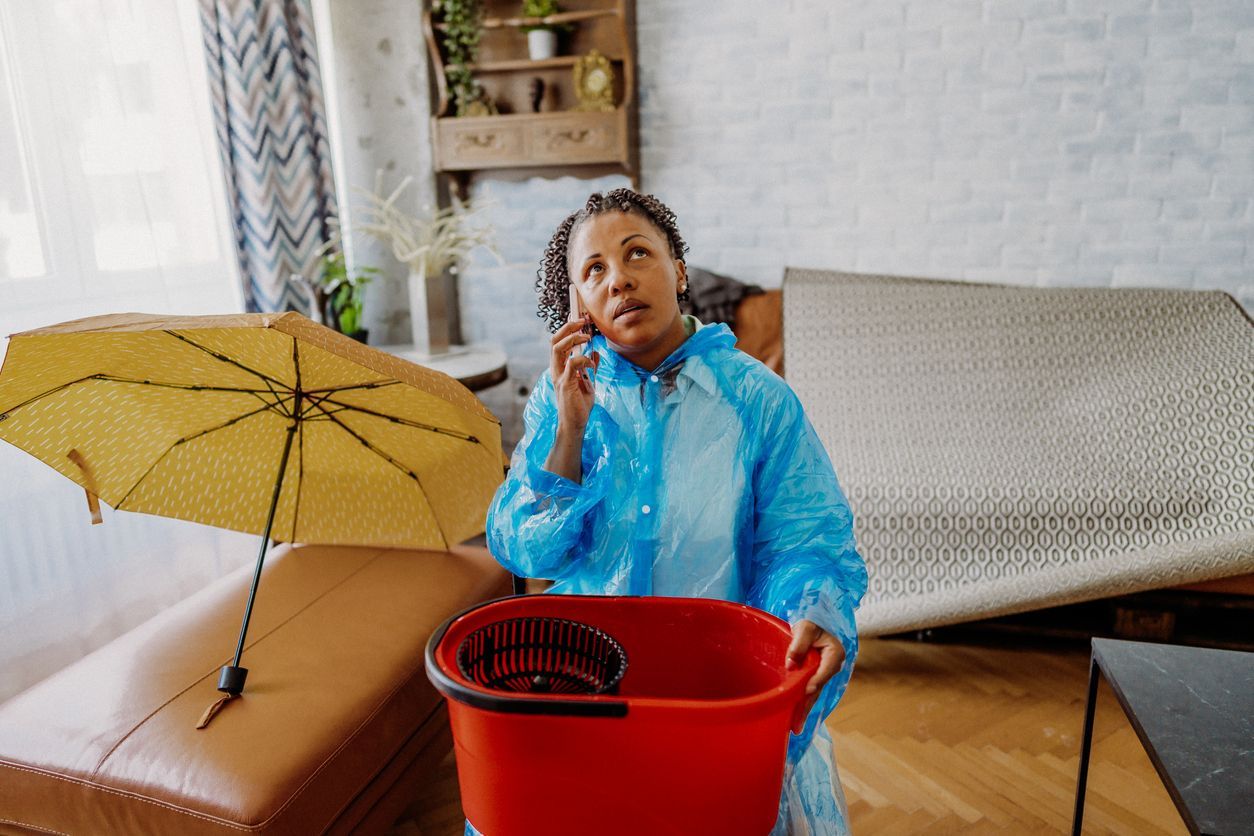
Multifamily buildings in the Denver metro area commonly have low-slope or flat roofing systems, which hold snow and water on the surface instead of shedding it. A roof membrane that's cracked, worn or draining poorly gives that water a path into the building, increasing the risk of
water damage once winter storms arrive. Preparing the roof before winter will protect your building from these water damage risks.
Getting your roof ready for winter requires completing a few key tasks:
- Schedule a Professional Roof Inspection – A qualified roofing contractor can identify membrane cracks, blisters and seam separation that aren't visible from the ground.
- Clear Drains and Scuppers – Remove leaves, debris and any buildup blocking the roof's drainage points so water can flow off the roof instead of pooling.
- Address Ponding Areas – Any low spots where water collects after rain or snowmelt need to be repaired before freeze-thaw cycles put additional stress on the membrane.
- Repair Minor Damage Now – Small cracks or seam issues are far easier and less costly to fix in the fall than after a winter storm creates additional damage to your roof.
Checking Flashing Around Roof Penetrations
Flashing seals the transition points where vents, pipes, HVAC units and parapet walls meet the roof surface, and it's a common source of leaks when it loosens or separates. Getting your flashing ready for winter will help minimize the risk of leaks that can result in extensive water damage to the building.
Make sure to address the following tasks during the fall months:
- Inspect Flashing at Every Roof Penetration – Check the flashing around vent pipes, HVAC curbs and any other roof penetrations for gaps, rust or separation from the surrounding material.
- Check Flashing Along Roof Edges and Parapet Walls – These areas experience more movement and exposure than flat roof surfaces, which makes them more likely to develop gaps over time.
- Inspect Flashing Around Rooftop HVAC Units – Vibration and heat from the equipment add extra wear to the flashing at these curbs, which can loosen the seal faster than flashing elsewhere on the roof.
- Reseal or Replace Damaged Flashing – Have a roofing contractor reseal minor gaps. Flashing that's corroded or separated should be replaced before winter weather reaches these vulnerable points.
Clearing and Reinforcing Your Gutters and Downspouts
Gutters and downspouts move water away from the roof and building. When they're clogged or damaged, water backs up near the roofline or overflows near the foundation instead of draining away from the building. This can increase your risk of water damage from roof leaks, and your foundation may become damaged due to excess water accumulation at the base of the building.
Make sure to address the following tasks during the fall months:
- Clear Leaves and Debris From Gutters – Fall leaves and roof debris build up quickly and block water from moving through the gutter system.
- Check Downspouts for Blockages – Flush each downspout to confirm water flows through freely and exits away from the building.
- Inspect Gutters for Damage or Loose Connections – Look for sagging sections, separated joints or damage that can cause water to leak out before reaching the downspout.
- Repair or Reinforce Damaged Sections – Have a contractor repair loose brackets or damaged gutter sections so the system can handle fall rain and winter snowmelt.
Managing Drainage Across Parking Lots, Walkways and Grounds
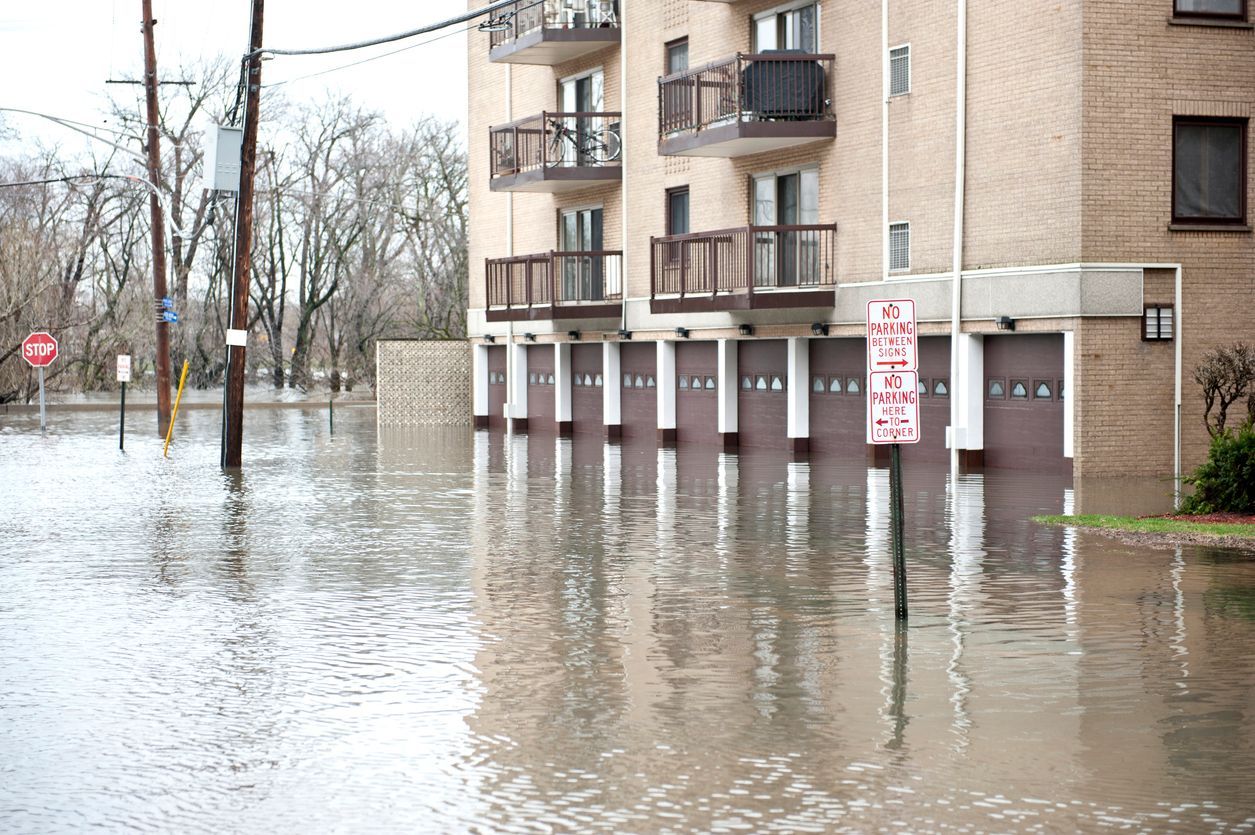
Drainage systems across your parking lots, walkways and grounds direct water away from the building and its foundation. When these systems are blocked or graded poorly, water pools near the building instead of draining away. As a result, standing water that freezes overnight creates ice patches on walkways and parking areas. This increases your risk of foundation damage from water pooling at the building's base, and ice buildup creates a slip hazard for residents.
The following tasks will ensure your drainage systems function properly before the winter weather arrives:
- Clear Debris From Storm Drains and Catch Basins – Remove leaves and debris blocking these drainage points so water can flow through them instead of collecting on the surface.
- Check Grading Around the Building's Foundation – Confirm the ground slopes away from the building so water doesn't collect against the foundation walls.
- Inspect Parking Lots and Walkways for Low Spots – Identify areas where water pools after rain, since these spots are the first to ice over once temperatures drop.
- Repair Cracked or Sunken Pavement – Have a contractor repair pavement issues that create new low spots or block water from reaching drainage points.
Preparing HVAC Systems for Winter Demand
Multifamily buildings often rely on a mix of centralized HVAC equipment and individual heating units serving each apartment. Both of these systems can fail under the sudden demand that arrives with the first hard freeze if your HVAC systems haven’t been serviced beforehand. A heating failure in an occupied unit during freezing temperatures negatively impacts the comfort of your residents, and it also raises the risk of frozen and burst pipes inside that unit.
Servicing your HVAC systems before winter involves:
- Scheduling Professional Service Visits for Centralized Equipment – Have a licensed HVAC technician inspect boilers, furnaces or rooftop units and address any issues before they're working at peak capacity during the cold winter weather.
- Testing the Heating Function in Every Unit – Confirm heat is working properly in each apartment, since a failure in one unit can go unnoticed until a resident reports it.
- Replacing Air Filters – Clogged filters make HVAC systems work harder and raise the risk of a breakdown during periods of heavy use.
- Repairing or Replacing Failing Components – Address any issues identified during service, such as worn parts or faulty thermostats, before the HVAC system faces sustained winter demand.
Inspecting Vacant and Unoccupied Units
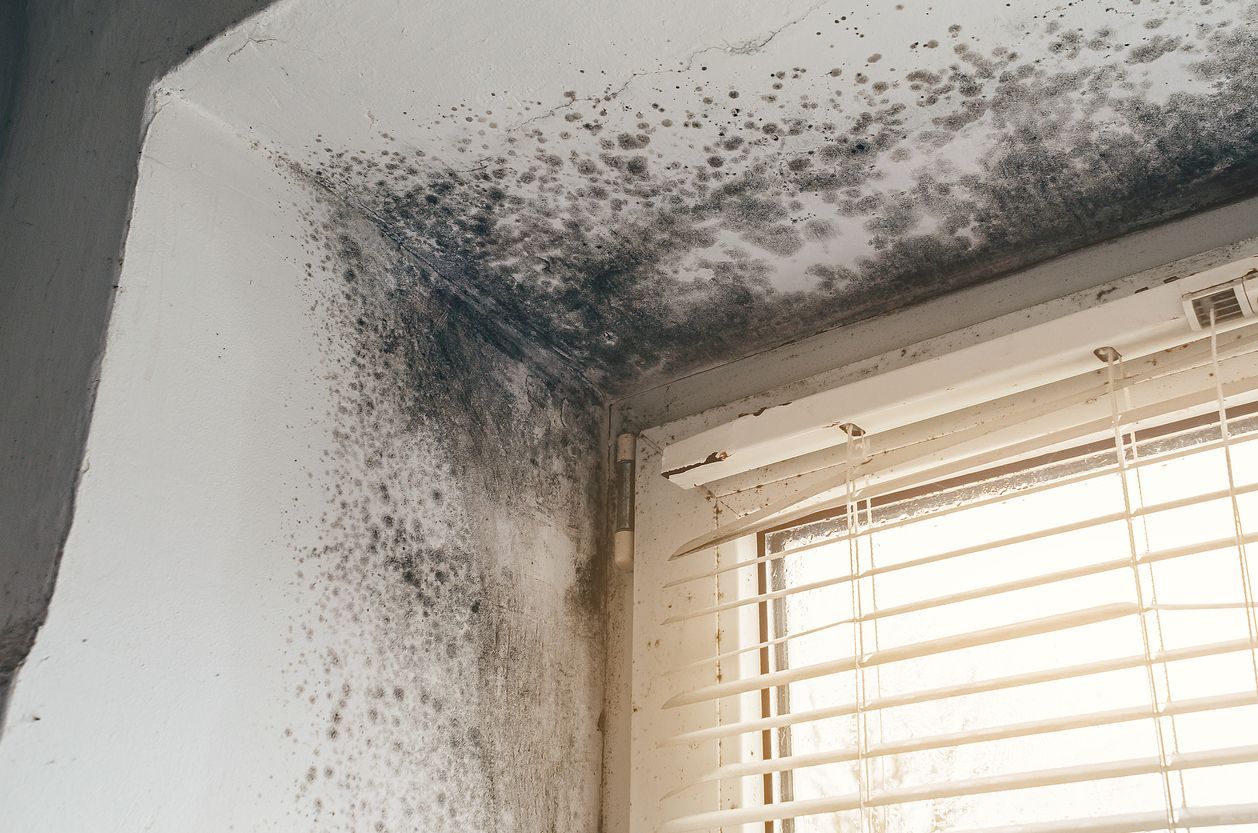
Vacant units don't have anyone regularly present to notice a developing problem. As a result, a slow leak, a failed heating system or a pest issue can go undetected in a vacant unit for a long time without being reported to your staff. Left unaddressed, this can lead to significant interior water damage, mold growth and frozen pipes that burst before anyone discovers them.
Preparing vacant units for winter requires the following steps:
- Walk Through Every Vacant Unit – Check for signs of leaks, moisture or pest activity before winter weather makes these problems worse.
- Confirm Heat Is Running in Each Unit – Keep the heating system active in vacant units to prevent pipes from freezing, even when no one is living there.
- Check Windows and Doors for Drafts – Seal any gaps that let cold air into a vacant unit, since these units won't have anyone adjusting the thermostat to compensate.
- Schedule Regular Checks Throughout Winter – Set a routine for walking through vacant units periodically so a developing problem doesn't go unnoticed for an extended period.
Protecting External Plumbing From Freezing Temperatures
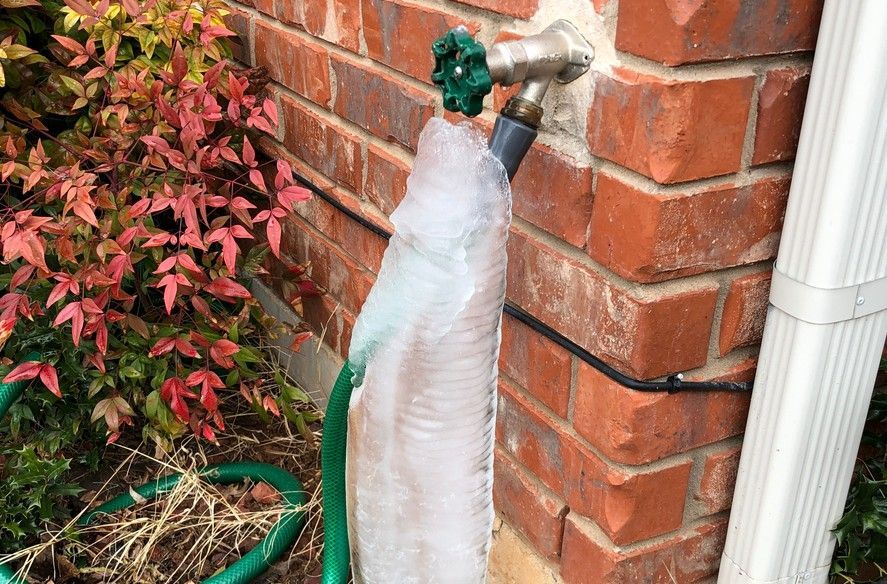
Exterior plumbing, including hose bibs and irrigation lines serving the property, stays exposed to freezing temperatures throughout the winter. Water left inside these lines expands as it freezes, which can crack pipes and fittings even when the damage isn't visible until the line thaws. A cracked line often isn't discovered until it thaws and starts leaking, which can lead to water damage and repair costs that were preventable.
Take the following steps to protect exterior plumbing before winter arrives:
- Shut Off the Water Supply to Exterior Hose Bibs – Locate the interior shutoff valve for each hose bib and close it before temperatures drop below freezing.
- Drain Remaining Water from Hose Bibs and Lines – Open each hose bib after shutting off the supply to let any remaining water drain out and prevent it from freezing inside the fixture.
- Shut Down and Drain Irrigation Systems – Have a professional blow out irrigation lines with compressed air to remove water that standard drainage won't clear.
- Insulate Exposed Pipes and Fittings – Wrap any exterior pipes or fittings that remain exposed to cold air with insulation to add another layer of protection.
HRS Restoration Can Help
Even when you are diligent about completing all fall property preparation tasks, it’s always possible to suffer storm damage during severe winter weather. If your multifamily apartment building sustains storm damage this winter,
HRS Restoration can help return your property to its pre-damaged state.
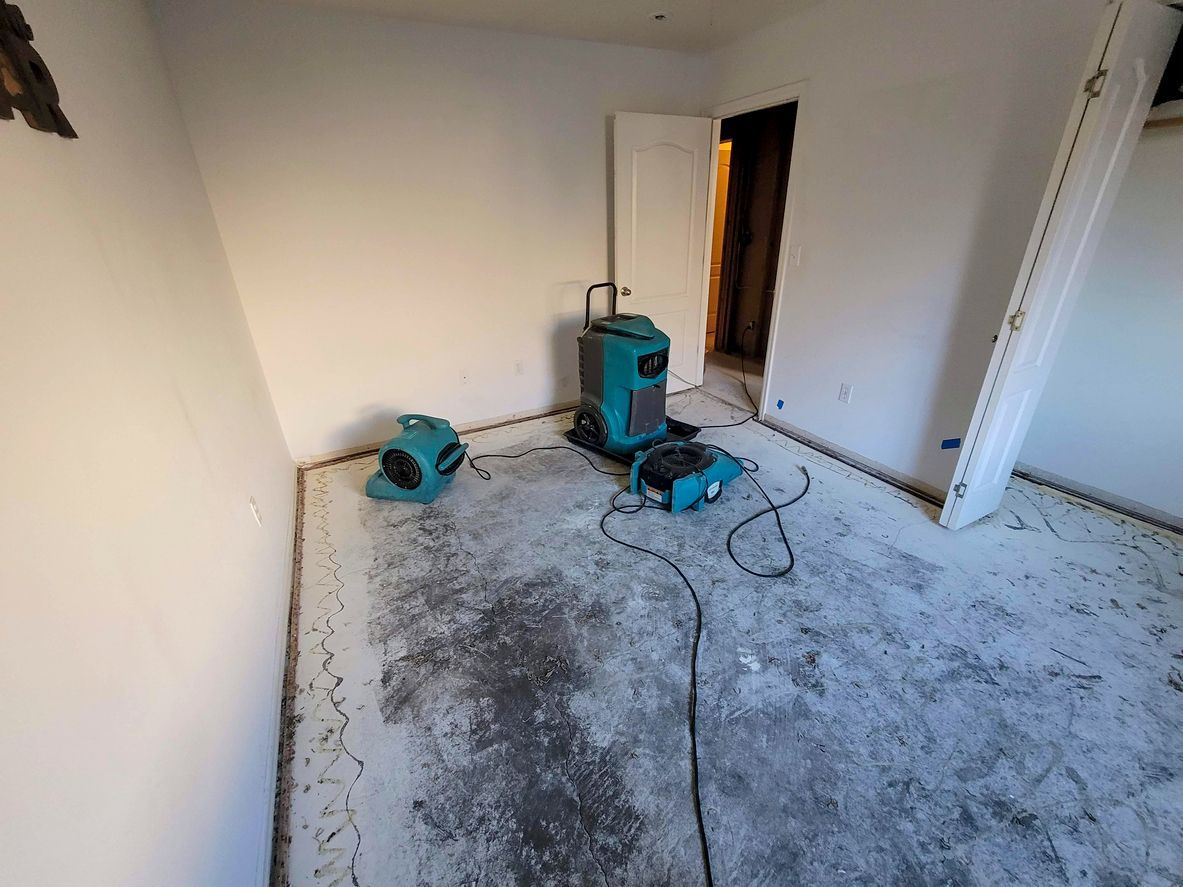
HSR provides storm damage restoration services to apartment buildings in the Denver area. We offer 24/7 emergency response services, and our team will arrive at your building shortly after receiving your call to begin work. As part of our comprehensive storm damage restoration services, we’ll address any water damage to your building and perform all necessary mold remediation work. In addition, we work with insurance companies on a regular basis and will coordinate with your provider to facilitate a smoother claims process.
HRS is a subsidiary of
Haselden Construction, a third-generation, family-owned company serving Colorado for over 50 years. This affiliation provides your building with several important benefits. You’ll always receive the extremely high quality work Haselden has become known for. In addition, Haselden’s vast resources allow us to perform all work in-house, so you’ll receive faster turnaround times, a smoother process and the most competitive pricing possible.
Contact us today to schedule an appointment. HRS Restoration serves multifamily apartment buildings in Denver and throughout the Rocky Mountain region.
Multifamily Apartment Building Winter Storm Damage Prevention FAQs
When should I start preparing my apartment building for winter in Colorado?
Fall is the right time to prepare a multifamily building for winter in Colorado, ideally before the first hard freeze arrives. This gives you time to complete roof inspections, clear drainage systems, service HVAC equipment and shut down exterior plumbing before sustained freezing temperatures set in.
What are the most important things to check on a multifamily building before winter?
The most important fall checks for a multifamily building include the roof membrane and flashing, gutters and downspouts, drainage across parking lots and walkways, HVAC systems, vacant units and exterior plumbing lines. Each of these systems faces a different failure risk once winter weather arrives, so addressing all of them reduces the overall risk of storm damage to the building.
How do I prevent frozen pipes in a vacant apartment unit?
Preventing frozen pipes in a vacant unit requires keeping the heating system active even when no one is living there. Regular walkthroughs also help catch a failed heating system or a developing leak before pipes freeze and burst, since a vacant unit doesn't have anyone present to notice the problem right away.
What causes water damage in apartment buildings during winter storms?
Water damage during winter storms typically comes from a worn or cracked roof membrane, failed flashing around roof penetrations, blocked gutters and drainage systems, or frozen exterior plumbing that cracks and leaks once it thaws. Addressing these risk points during fall preparation is the most effective way to prevent storm damage before winter weather arrives.
How often should HVAC systems be serviced before winter?
HVAC systems in a multifamily building should be serviced once each fall before winter demand begins. Make sure to perform all necessary maintenance on both centralized equipment and individual heating units in each apartment.