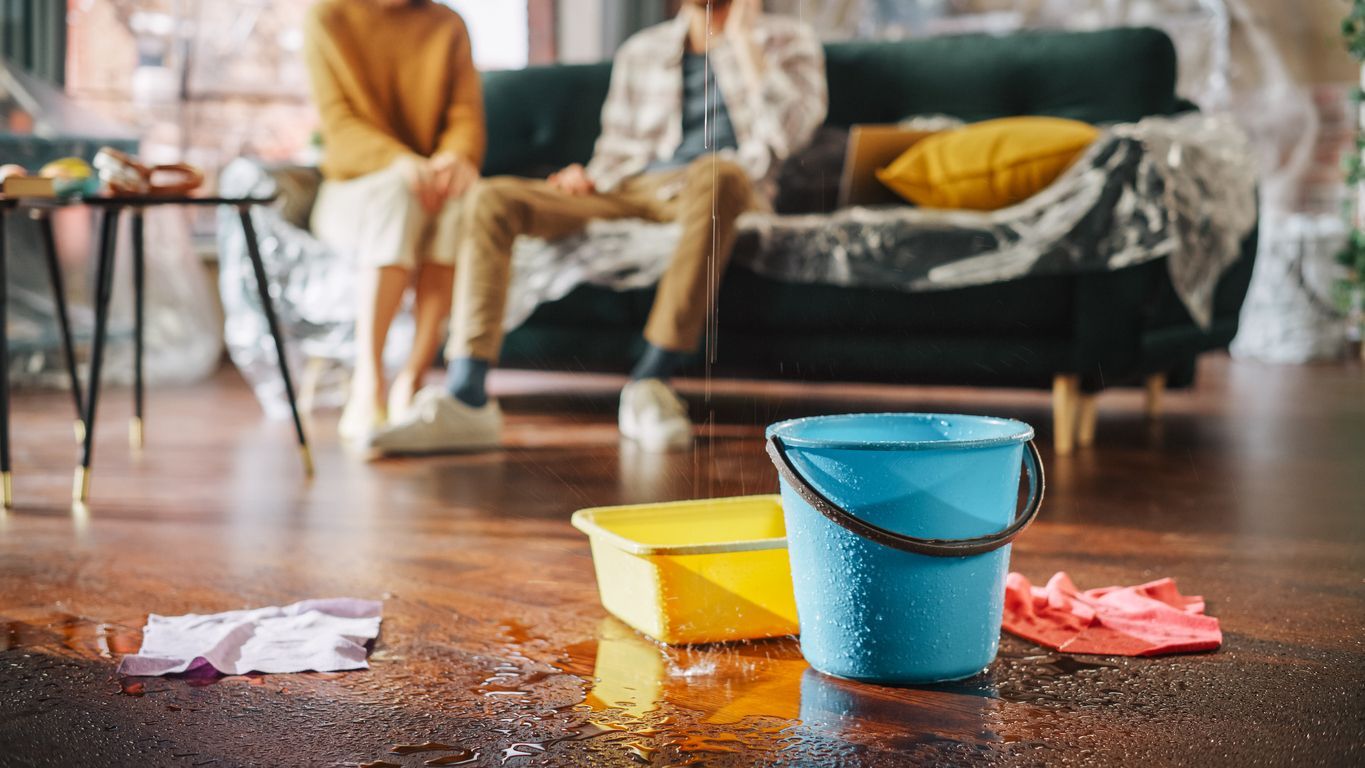
Water damage is one of the most destructive issues that can impact your home and unfortunately, it does not go away on its own. When not properly addressed, water damage can wreak havoc on your property within 24 hours, and the damage will only get worse over time without the assistance of professional restoration company.
Moisture affects floors, walls, furniture and other items quickly. Once this occurs, it can be challenging to dry your property without professional-grade equipment. Having a
water damage restoration company handle this task for you will prevent serious problems from developing.
Potential Issues Associated with Water Damage
Untreated water damage can result in a variety of serious issues to your property, including:
· Damage to ceilings and walls
· Destruction of carpet and carpet pads
· Warped hardwood floors
· Corrosion of pipes and plumbing systems
· Electrical damage
· Structural damage
· Mold growth
· Health risks
Ultimately, these issues can potentially result in the devaluation of your property.
Damage to Ceilings and Walls
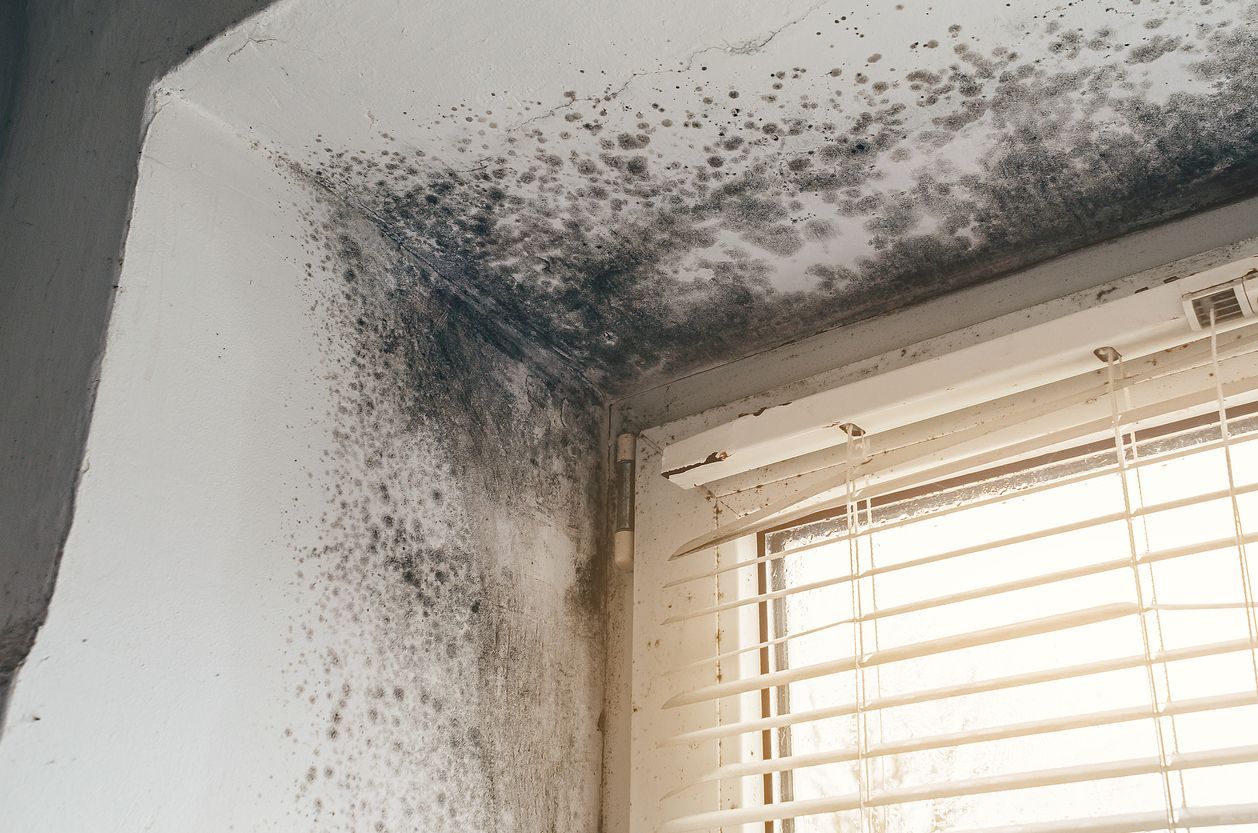
Most walls and ceilings are made from drywall. The structural integrity of drywall gets compromised when exposed to water, causing it to become soft, weak, and mold prone. If you notice cracks, discoloration, or warped areas on your walls and ceilings, it’s a sign that water damage has occurred.
The only way to fix drywall that has suffered water damage is to cut out the impacted areas and replace them. This will not only restore the drywall to its pre-damaged condition, but also prevent mold from growing and spreading throughout your home.
Destruction of Carpet and Carpet Pads
Your carpet and carpet pad act like a sponge, and they can soak up a tremendous amount of water. If you don’t dry the carpet properly, it will break down, causing the pad to detach from the floor and become bumpy. Wet carpet is also an optimal breeding ground for mold.
Once your carpet becomes seriously damaged by water, you won’t be able to save it. Instead, you’ll need to completely replace it, which can be very expensive.
Warped Hardwood Floors
Hardwood floors are porous and will soak up water, causing the moisture to spread throughout the floor. When your floors aren’t professionally dried in a timely manner, they can warp and buckle. If the water damage becomes too extensive, you’ll need to replace the floors and, depending on the extent of the damage, the subfloor too.
In addition, excessive or long-term water damage to hardwood floors can cause the wood to rot, creating safety hazards. Mold can also grow on the wood, creating additional problems to address.
Corrosion of Pipes and Plumbing Systems
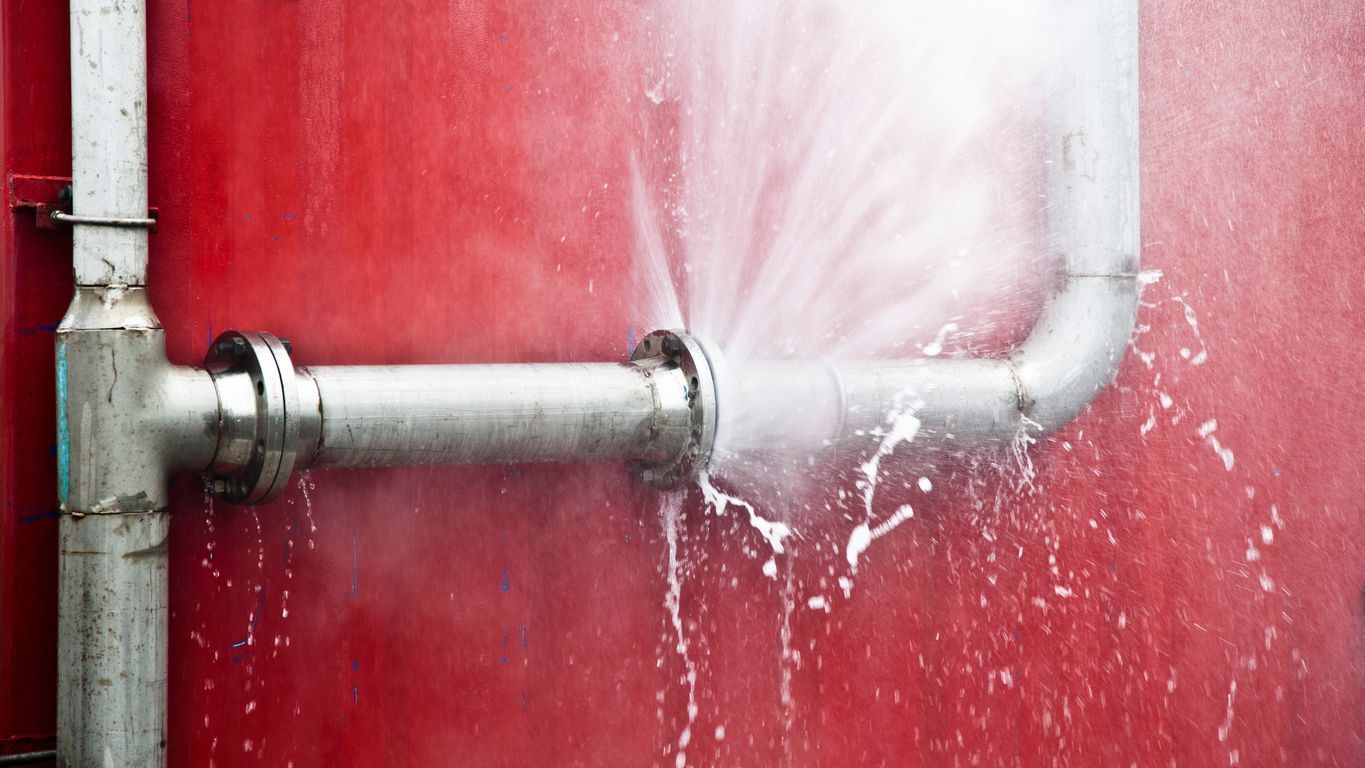
Water damage can cause pipes to rust and corrode, creating a vicious cycle. When leaks form, it causes additional water damage. If these leaks form in your sewage pipes, it will create an even bigger (and stinkier) problem.
Repairing leaking pipes or extensive damage to your plumbing system can be very expensive. To avoid these issues, it’s critical to address water damage or corroded pipes right away.
Electrical System Damage
Water damage can result in serious problems to your electrical system. When electrical wiring, outlets or fuse boxes are exposed to water, it can cause a short circuit to your entire electrical system. In some instances, it can even cause a fire.
Never handle electrical components or use power outlets that have been exposed to water. This can cause an electrical shock that may potentially result in serious injury. Instead, call a professional electrician to address the problem.
Structural Damage
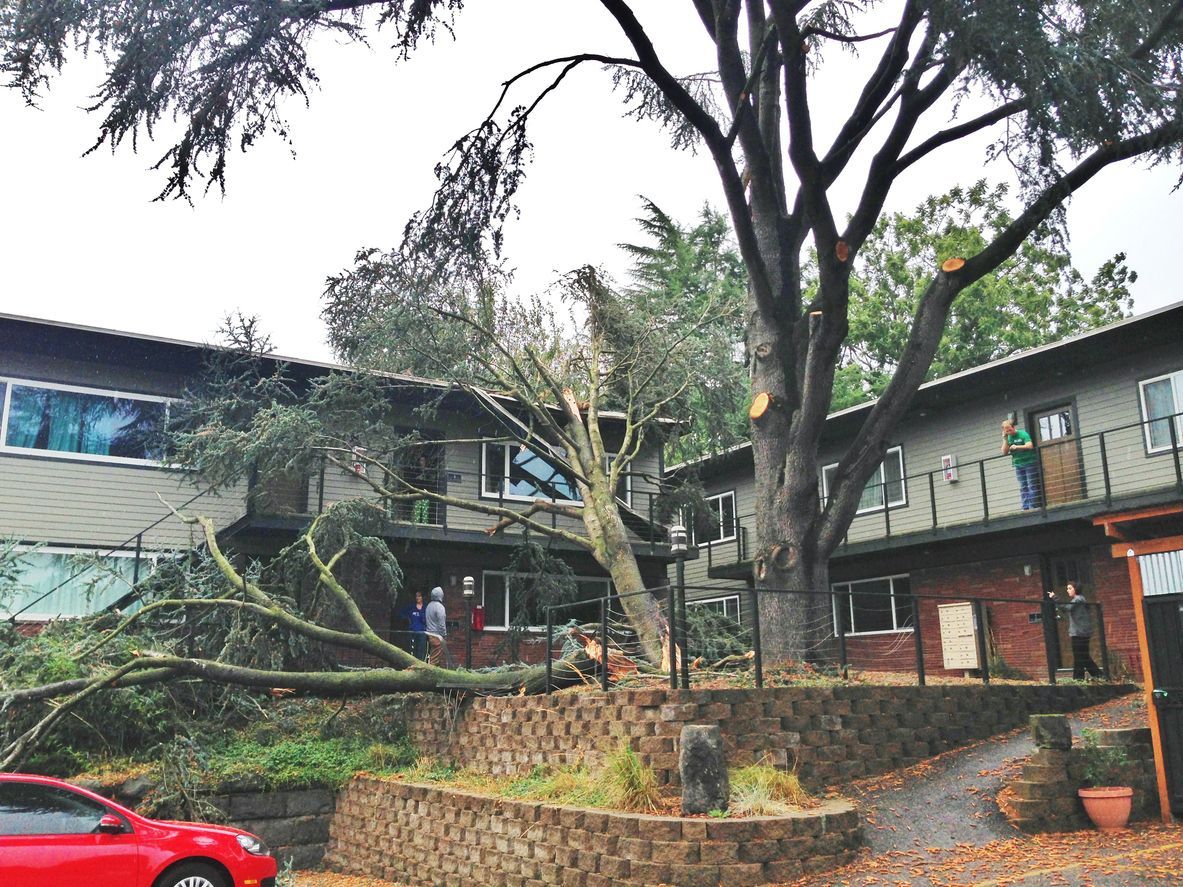
Water damage can weaken the structural integrity of your home. This is particularly true after flooding, when the amount of water entering your home is extensive. Some of the most common ways you may experience structural damage include:
· Wooden structural components inside your walls and floors will absorb water and over time will begin to rot if they aren’t properly dried
· Water can break through concrete, creating cracks in the foundation that leave your home or business structurally unsound
· Water can cut through many other materials found inside your home, making them weaker and impacting the structural integrity of the building
Mold Growth
Moist environments create optimal conditions for mold to grow. As a result, mold is one of the most common issues associated with water damage. Mold spores can enter your home in a myriad of ways, and they can begin growing rampantly on wet surfaces within 24-48 hours. When left untreated, mold can ruin furniture, appliances, and surfaces such as floors, tiles, walls and ceilings. In addition, it can potentially result in health issues for individuals with mold allergies.
In order to effectively remove mold from your property, you’ll need to work with a licensed, professional
mold remediation company. Mold remediation requires specialized tools and cleaning products. In addition, it’s important to perform mold testing after all remediation has been completed to make sure the building is safe. This must be done by a professional.
Health Risks
Water damage can result in a variety of health and safety risks, including:
· Mold growth that can cause respiratory issues in individuals with asthma or mold allergies
· Toxic contaminants, bacteria and chemical pollutants from floodwater that can cling to walls and floors even after the water dries, causing recurring illness
· Rotting surfaces that can create safety hazards and increase the risk of injury
· Rusty water from corroded pipes that can result in health issues if it’s consumed
HRS Restoration Can Help
Due to the serious issues that can occur as a result of water damage, it’s critical that you have this issue handled by a professional. At
HRS Restoration, we can restore your property to its pre-damaged state and prevent additional problems from arising in the future.
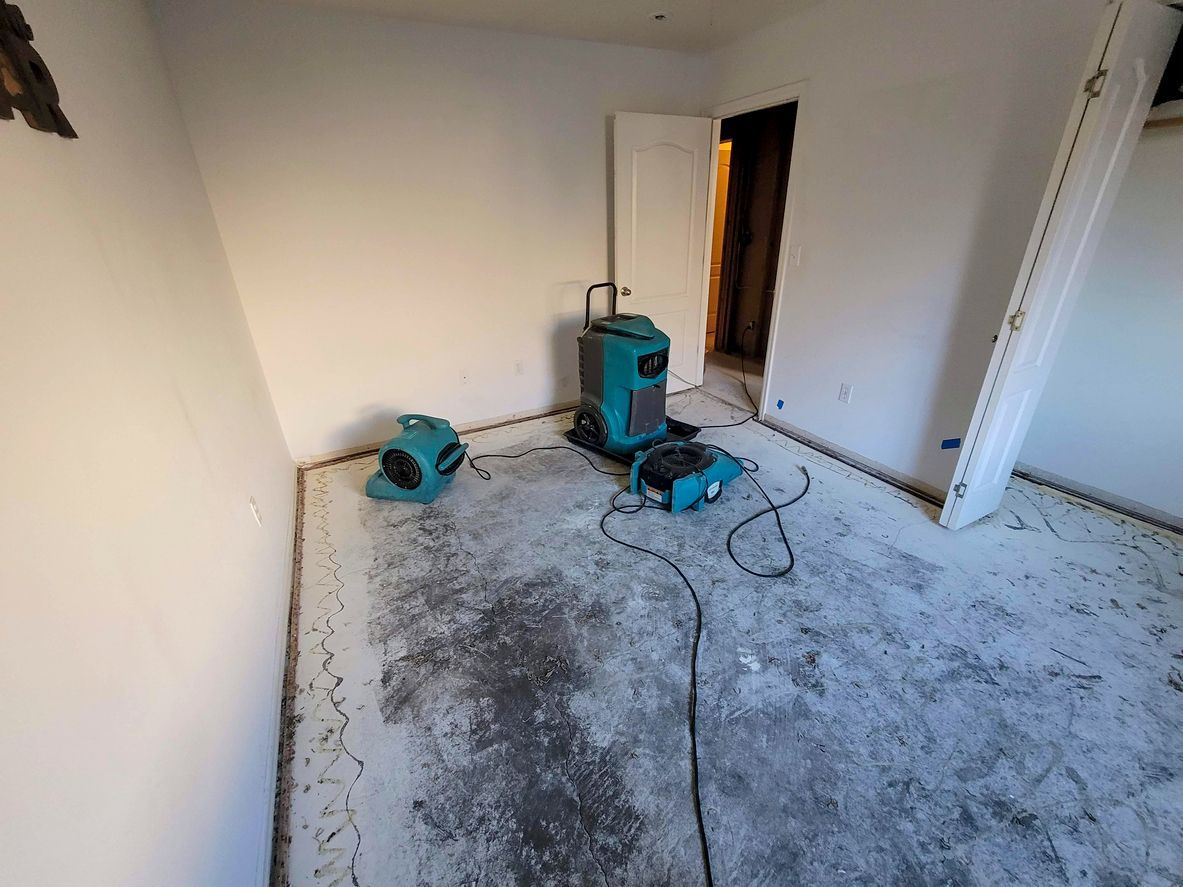
Our team has been providing comprehensive water damage restoration services for homes in the Denver area for over 50 years. We offer emergency response services, and our team will arrive shortly after receiving your call, day or night, to begin work. At HRS, we can handle every aspect of the water damage restoration process. We use professional-grade fans to dry out the building, pull out all furniture and other contents to dry it and prevent mold growth, and address all causes of your water damage. Our team will perform moisture level testing and mold testing to make sure your building is safe. In the event that mold growth has occurred, we’ll use specialized tools and sanitizing agents to get rid of the mold and ensure it doesn’t grow back.
HRS is a subsidiary of
Haselden Construction, a third-generation, family-owned business serving the Denver area for over 50 years. As part of the Haselden family, we’re able to perform all services in-house while providing the exceptional quality workmanship our parent company has built its reputation on. You’ll benefit from faster turnaround times, a smoother restoration process and highly competitive pricing.
Contact us today to start the water damage restoration process. HRS Restoration serves homeowners in Denver and the surrounding areas.
Water Damage FAQs
Does water damage go away on its own?
No, water damage does not resolve on its own and typically worsens over time without professional intervention. Moisture continues to affect floors, walls and furniture, and materials like drywall and carpet padding cannot dry properly without professional-grade equipment.
How long does it take for water damage to cause serious problems?
Water damage can begin causing significant harm to your property within 24 hours. Mold can start growing on wet surfaces within 24 to 48 hours if the affected area isn't properly dried.
Can water damage cause mold growth?
Yes, moist environments created by water damage are ideal conditions for mold growth. Mold can begin growing on wet surfaces within 24 to 48 hours and, left untreated, can spread to furniture, appliances, floors, tiles, walls and ceilings.
What kind of damage can water cause to a home?
Water damage can affect ceilings, walls, carpet, hardwood floors, plumbing pipes and electrical systems. It can also weaken a building's structural integrity and create health risks, including mold-related respiratory issues and illness from contaminants left behind after floodwater dries.
Is water damaged drywall or carpet repairable?
Drywall affected by water damage typically needs to be cut out and replaced rather than repaired, since the affected sections lose structural integrity and become prone to mold. Carpet and carpet padding usually cannot be saved once seriously damaged by water and need to be replaced.