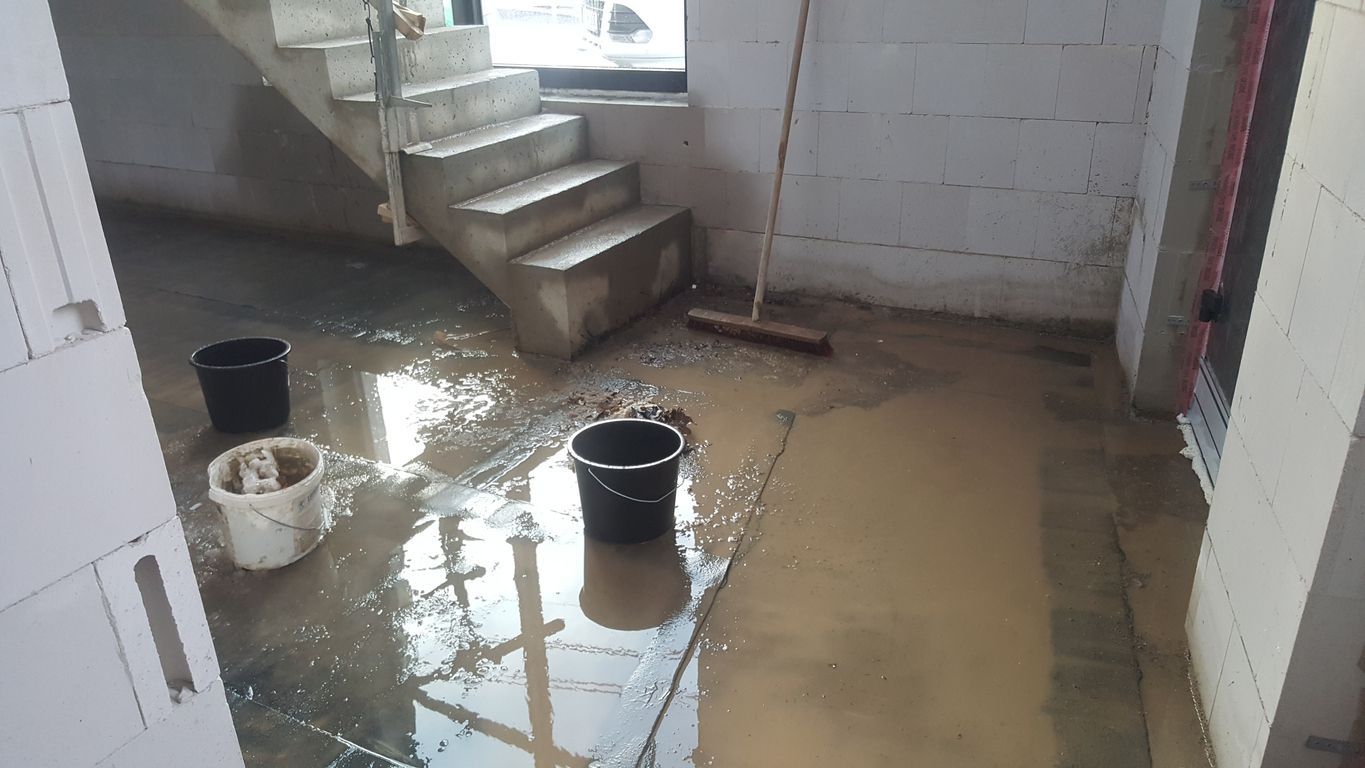
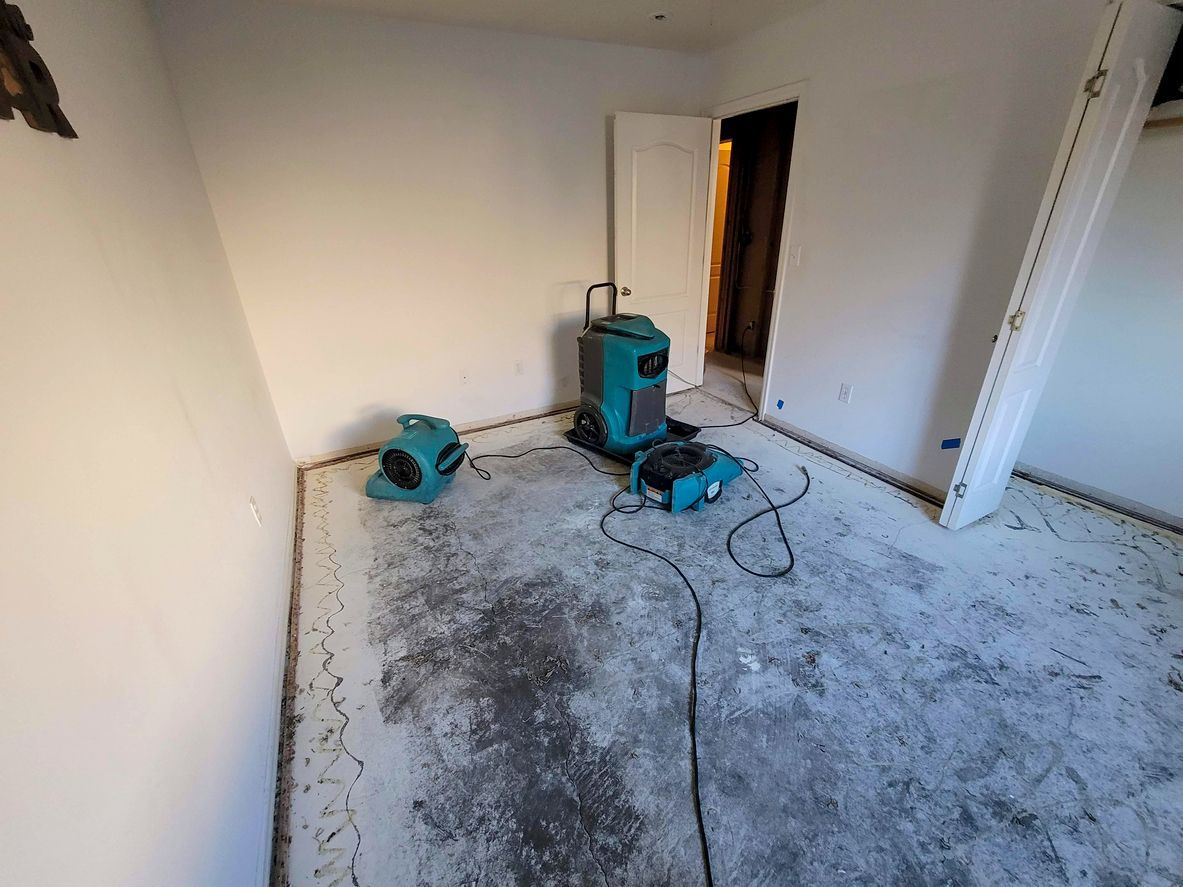
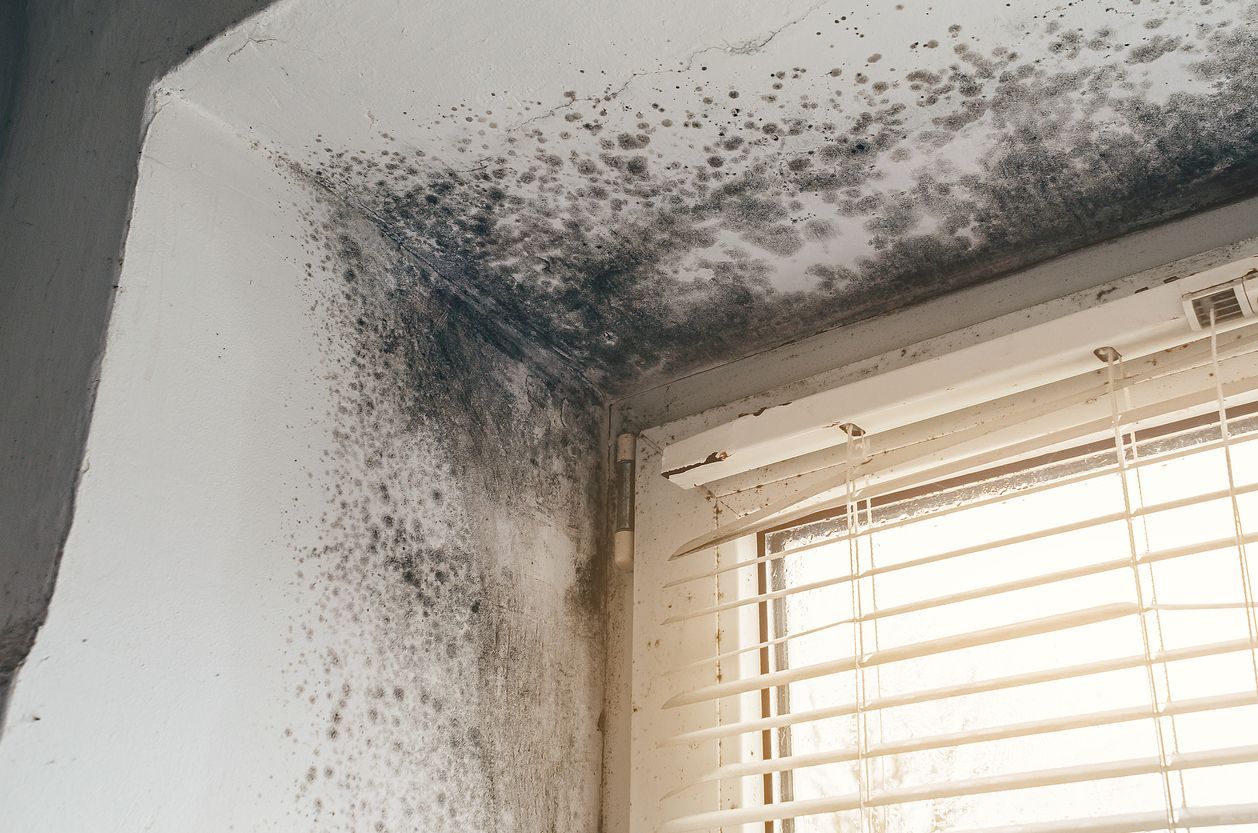
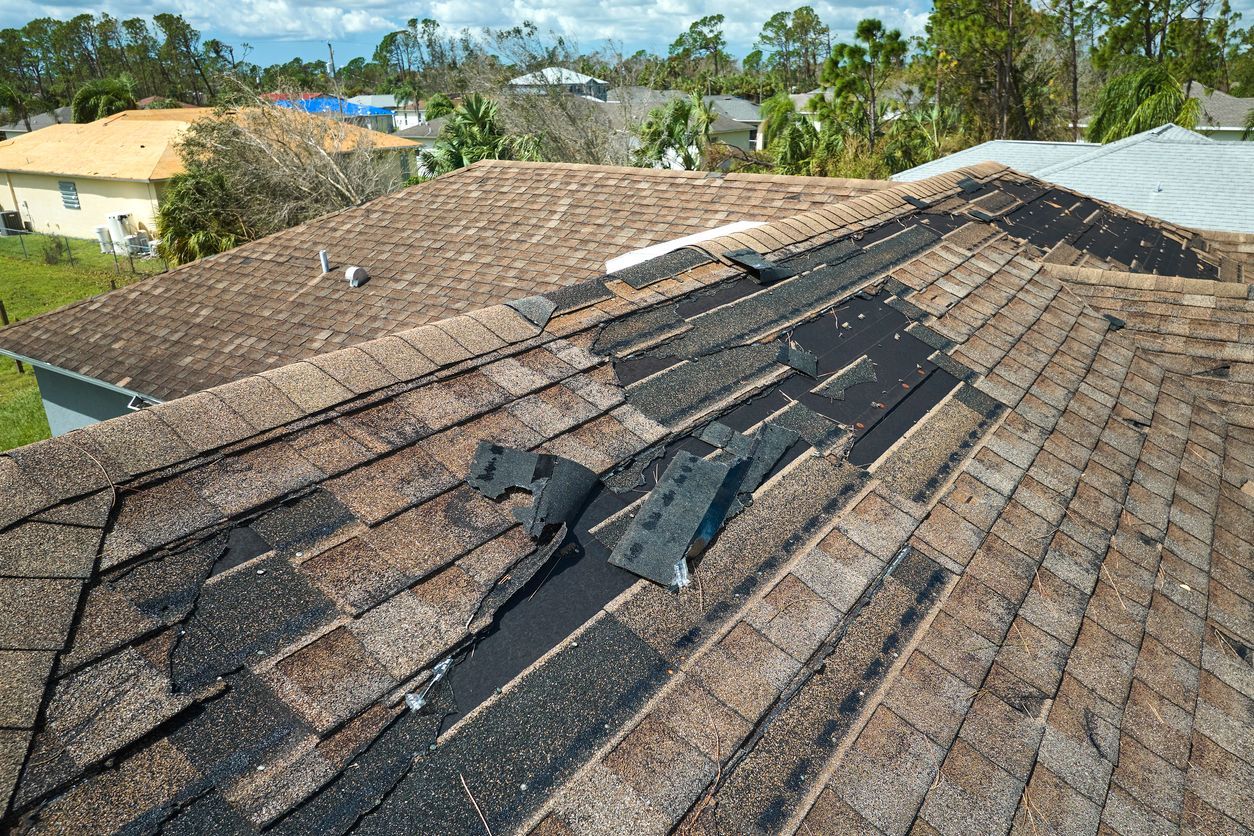
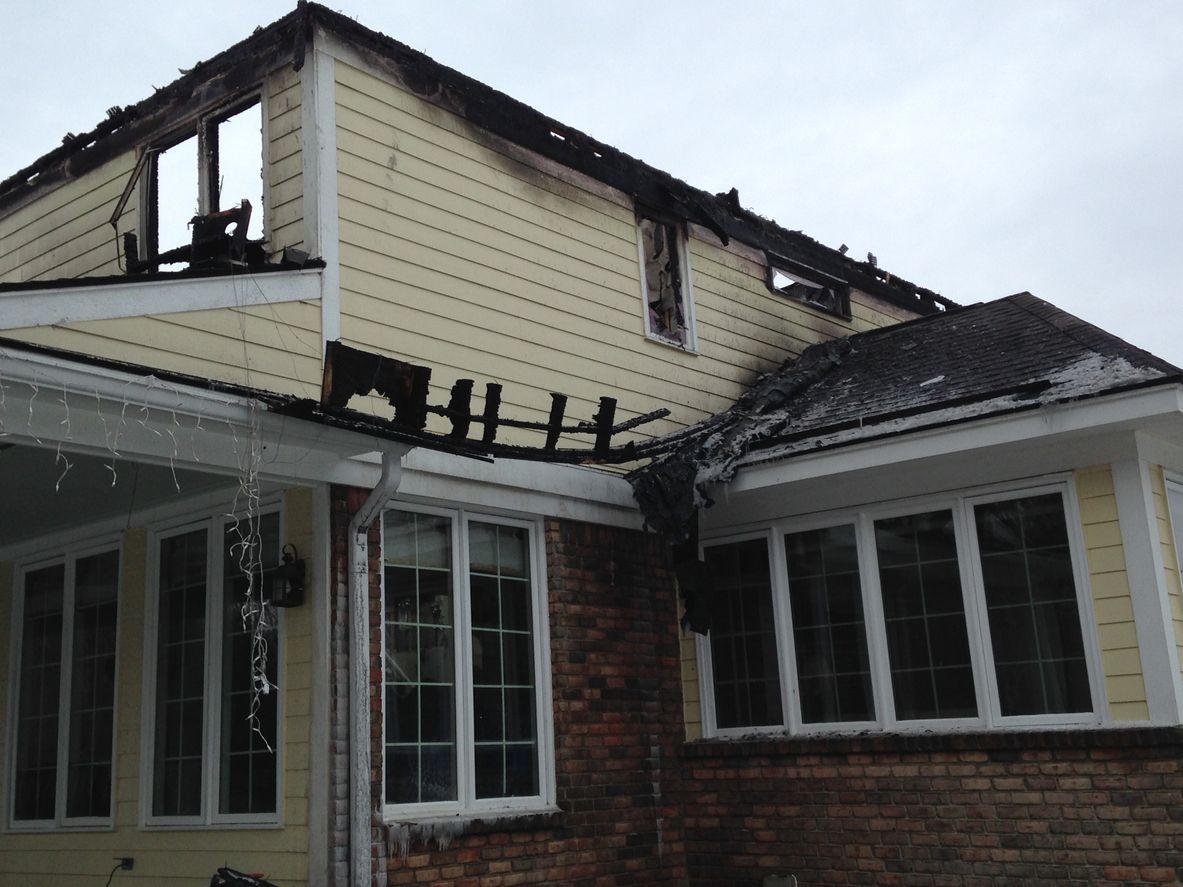
Colorado’s weather often brings severe storms that include high winds, driving rain and hail, all of which can cause extensive damage to a multifamily apartment building. In these situations, knowing the proper steps to take can help you limit the damage to your building and minimize the disruptions to your residents. A
storm damage response plan gives you a clear course of action before severe weather hits your building. Having that plan in place beforehand lets you be proactive rather than reactive in your response, allowing you to act quickly and decisively.
What Should a Storm Damage Response Plan Include?
A thorough storm damage response plan should include:
· A contact list for your restoration company, insurance provider and key vendors
· A damage assessment and documentation process
· An order of priority for addressing different types of storm damage
· A resident communication protocol
· A schedule for reviewing and updating the plan
Building a Storm Damage Contact List
Your ability to act quickly and decisively after your building sustains storm damage requires having a list of essential contacts on hand. Knowing the exact people to contact and having their information readily accessible allows you to initiate your response efforts much faster than if you have to search for providers in real time. Your storm damage contact list should include:
- Your Storm Damage Restoration Company
– Make sure you have the contact information for a company that offers emergency response storm damage restoration services. Having a pre-existing relationship with a storm damage restoration company can often ensure your building is prioritized when they receive a large number of calls after a major storm. This will speed up the response time and ensure your provider understands the specific needs of your building.
- Your Insurance Provider and Adjuster
– Keep your insurance policy number and adjuster contact information accessible so you can file a claim without delay.
- Key Vendors
– Identify roofing, electrical and tree removal vendors in advance, since these services are often in high demand immediately after a widespread storm.
- Your Property Ownership or Management Chain
– After storm damage to your building, certain repairs can typically be approved on the spot, but larger expenses often require approval from someone in your ownership group. Make sure you have access to the contact information of all members of your property ownership or management group who can authorize emergency repairs, so decisions aren’t delayed at a time when prompt action is critical to minimize the damage to your building.
Establishing a Damage Assessment and Documentation Process
A consistent damage assessment process after a storm gives you accurate information to guide your response and support your insurance claim. Your plan should identify who inspects each area of the property and how that documentation gets recorded:
- Roof and Exterior
– Inspect the roof, siding and windows for visible damage as soon as it's safe to do so.
- Common Areas
– Check hallways, stairwells, parking structures and shared spaces for water intrusion, structural damage or debris.
- Individual Units
– Establish a process for tenants to report damage in their units, along with a plan for building staff to conduct their own inspection.
- Grounds and Landscaping
– Document damage to trees, fencing and other exterior property features, since these can pose safety hazards to residents.
Photograph and timestamp every area of damage before cleanup begins, since insurance adjusters rely on this documentation to process your claim accurately.
Prioritizing Types of Storm Damage
A single storm can cause several types of damage to your building, and your response plan should establish a priority order that ensures the most pressing issues get addressed first:
- Life-Safety Hazards
– Address gas leaks and other major safety issues impacting your building immediately, before any other repair work begins.
- Active Water Intrusion
– Prioritize a leaking roof or broken window over cosmetic damage, since water actively entering the building will cause additional damage the longer it continues.
- Structural Damage
– Repair damage that affects the structural integrity of the building, such as a compromised roof or exterior wall, before addressing repairs that don’t threaten the building’s stability.
- Cosmetic Damage
– Schedule repairs for damage such as minor siding or landscaping issues once safety and structural concerns are resolved.
Building a Resident Communication Protocol
Deciding in advance how you will notify residents of the actions being taken after a storm creates a smoother response plan that ensures everyone living in the building will know what to expect during the restoration process. This approach will minimize disruptions to their lives, improve safety measures during the restoration work and make it easier for your restoration company to complete the project in an efficient manner.
Your resident communication protocol should include:
· Identifying a primary communication method, such as email, text or a resident portal, along with a backup method in case power or internet service is affected.
· Setting a schedule for follow-up updates, even if the update is that repairs are still in progress. Tenants are more likely to remain patient when they receive regular communication.
· Establishing the conditions that would require relocating tenants in advance, such as a loss of utilities or damage that makes a unit unsafe to occupy. Having these criteria defined ahead of time allows you to make faster decisions when a storm causes that level of damage.
Reviewing and Updating Your Storm Damage Response Plan
A storm damage response plan needs regular review to remain effective. Your plan should be updated when:
- You change restoration companies, insurance providers or key vendors. It should also be updated anytime your existing providers change their contact information.
- Severe weather season approaches, since having an updated plan is most critical at this time of year.
- A past storm response revealed a gap in the plan, such as an unreliable provider or a process that caused delays.
HRS Restoration Can Help
Having a dedicated restoration partner will ensure you’re able to initiate the fast response necessary to minimize the damage to your building after a serious storm. At
HRS Restoration, we’ve been providing comprehensive storm damage restoration services to multifamily apartment buildings in the Denver area for over 50 years. Our team has extensive experience working with apartment buildings, and we know how to communicate respectfully with your residents to minimize the disruptions they experience during this process.
We offer 24/7 emergency response services and have a two-hour response time in the Denver metro area. Providing this rapid response helps minimize the damage to your building, and it often reduces both the time and expense associated with the restoration project. When we arrive at your building, our IICRC-certified technicians will assess the damage and recommend the best plan to restore your property to its original condition. We’ll also handle all documentation and communication with your insurance company to facilitate a smoother claims process.
As your dedicated restoration partner, we work hard to build a long-term relationship with your team that ensures you receive the quality services you need when disaster strikes. Our team will take the time to understand the specific needs of your multifamily building in order to provide customized recommendations that align with the protocols you’ve adopted. As part of this ongoing relationship, we’ll work with your team to develop an emergency response plan so that your team knows exactly how to proceed in the event that you experience storm damage.
HRS Restoration is a subsidiary of
Haselden Construction, a family-owned company serving the Denver area for over 50 years. With access to Haselden’s vast resources, we’re able to perform all work in-house. You’ll receive the exceptional quality workmanship that Haselden has become known for, and you’ll benefit from faster turnaround times, more competitive pricing and a smoother restoration process.
Contact us today for immediate storm damage restoration assistance or to find out how we can help you implement an emergency storm damage response plan at your building. HRS Restoration serves multifamily apartment buildings in Denver and the surrounding areas.
Apartment Building Storm Damage Response Plan FAQs
What should be included in a multifamily apartment building storm damage response plan?
An apartment building storm damage response plan should include a contact list for your restoration company, insurance provider and key vendors; a damage assessment and documentation process; an order of priority for addressing different types of storm damage; a resident communication protocol; and a schedule for reviewing and updating the plan.
Who should be on an apartment building's storm damage response contact list?
Your contact list should include your storm damage restoration company, your insurance company and adjuster, key vendors such as roofing and electrical contractors, and members of your property ownership or management group who can authorize emergency repairs.
How do you prioritize storm damage repairs in an apartment building?
Address life-safety hazards such as gas leaks first, followed by active water intrusion that will cause additional damage if left unaddressed. Repair structural damage before addressing repairs that don't threaten the building's stability, and schedule cosmetic damage once safety and structural concerns are resolved.
How often should a storm damage response plan be updated?
Update your plan whenever you change restoration companies, insurance providers or vendors. In addition, you should always review your plan before severe weather season begins each year, and after any storm response that revealed a gap in the plan.