Water damage is one of the most common, dangerous and costly issues impacting multifamily apartment buildings. When not detected and addressed in a timely manner,
water damage can result in health issues and unnecessary disruptions for residents, structural damage to the building, and expensive repairs. Understanding the most common causes of water damage can help you take proactive steps to reduce risks and protect your property.
Plumbing Failures
Plumbing failures often happen inside walls, ceilings or floors. As a result, the ensuing leak can often continue for some time before it becomes visible. A few specific issues account for most plumbing-related water damage in multifamily buildings. These include:
- Aging or Corroded Pipes – Metal pipes corrode from the inside over years of use, and this corrosion can eventually wear through the pipe wall to create a leak.
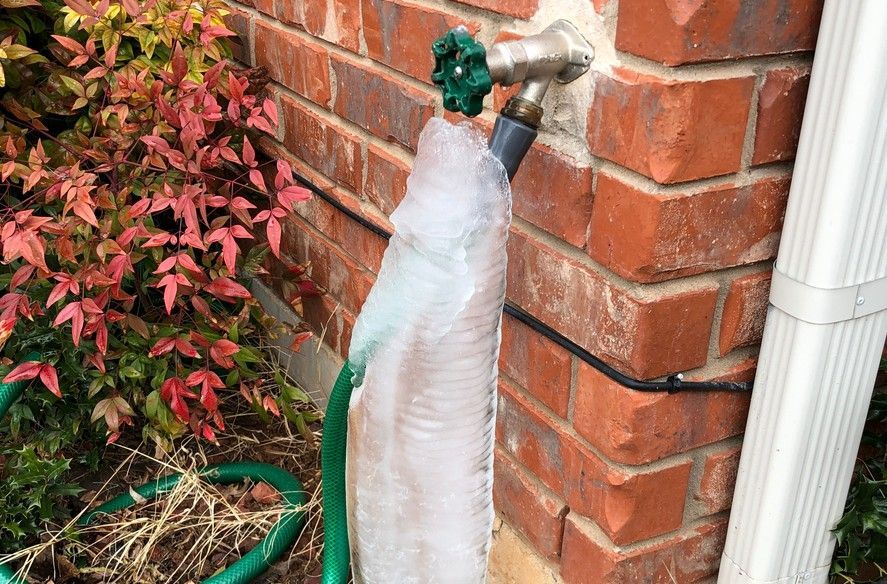
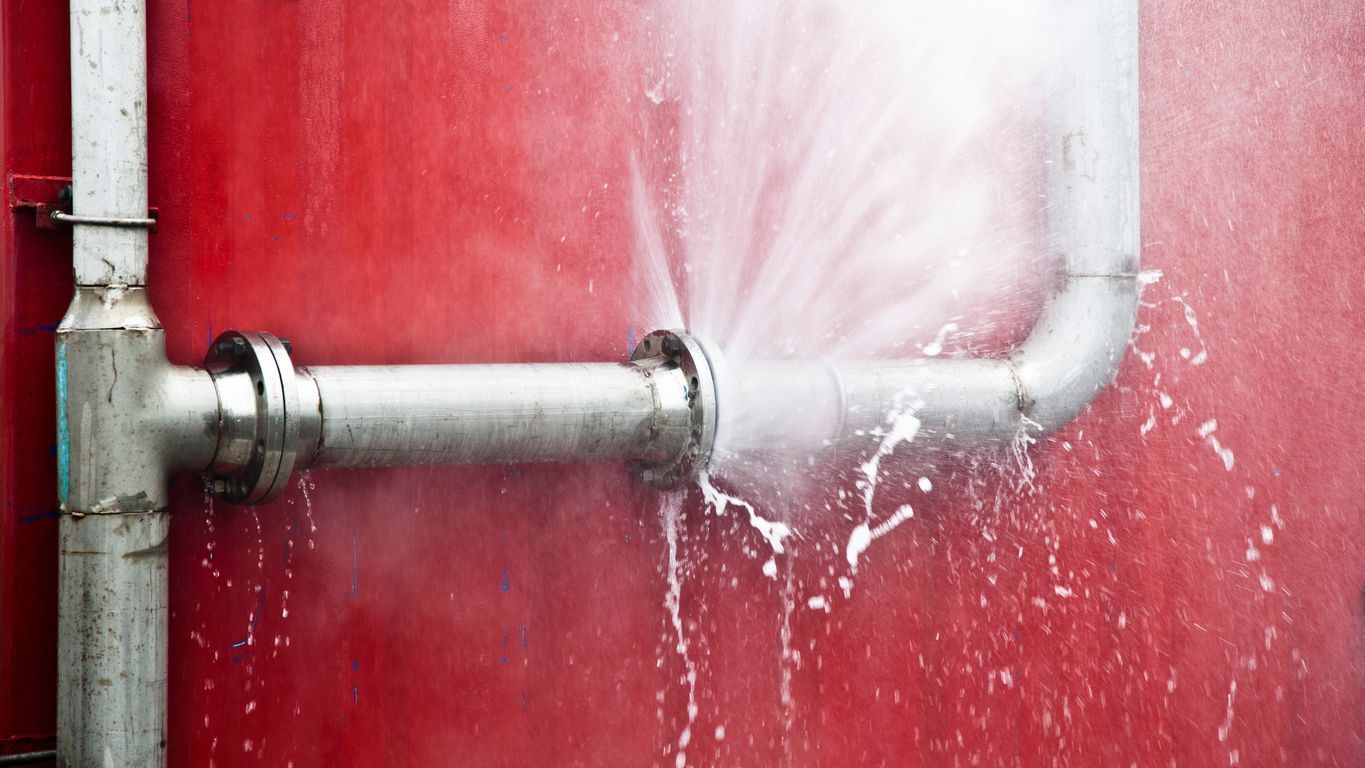
- Frozen and Burst Pipes – Water expands as it freezes, and that expansion can crack the pipe wall from the inside. Leaks from a burst pipe often result in severe water damage, sometimes from a slow leak that goes undetected and other times from a massive leak that spreads water throughout the area near the pipe.
- Failed Supply Lines – The flexible lines connecting fixtures such as toilets, sinks and washing machines to the water supply contain rubber or plastic components that degrade with age and can fail suddenly.
- Clogged or Blocked Drain Lines – Grease, hair and soap scum stick to the interior of a drain line. Over time, the drain line can become narrower, which can cause water to back up and overflow at a fixture.
Appliance Leaks
Household appliances that connect to a water supply are a common source of water damage in individual units:
- Water Heater Failures – Tanks corrode from the inside over years of use, and the tank or its fittings can fail at a weak point created by that corrosion.
- Washing Machine Hose Failures –
Supply hoses connect to shutoff valves that are typically left open between uses, so the hoses receive constant water pressure even when the machine isn't running. A hose that fails can release water continuously until the valve is shut off.
- Dishwasher Leaks – A degraded door seal lets water escape during the wash cycle, and the supply line connection can also fail at the fitting.
- Ice Maker and Refrigerator Line Failures – The supply line connection behind the unit can fail the same way other supply line connections do, releasing water behind an appliance that isn't moved or inspected often.
HVAC Condensate Problems
An HVAC system removes humidity from the air as it cools, and the resulting water collects in a drain pan before flowing out through a condensate drain line. That pan and line stay damp and dark continuously while the system runs, creating the exact conditions algae and biofilm need to grow. This growth builds up along the interior of the line over time, and combines with sediment and dust drawn through the system to narrow or fully block the drain path.
Once the line is blocked, condensate has nowhere to go and backs up into the drain pan instead. A pan that overflows releases water around the unit. This can happen repeatedly since the system produces condensate continuously while it's running. Left unaddressed, this issue creates an ongoing source of water damage in the space around the HVAC unit rather than a single isolated event.
Exterior Water Intrusion
A building's exterior is its main barrier against water. When any part of that barrier fails, water can find a way into the structure. Several distinct points of failure account for most exterior water intrusion in multifamily buildings:
- Roof and Flashing Failures – A worn roof membrane or separated flashing gives water a direct path through the roof.
- Gutter and Drainage Failures – Blocked gutters or poor grading let water pool near the building instead of draining away. That water can reach the foundation and enter the building if cracks are present.
- Window and Door Seal Failures – Caulk and weatherstripping degrade over time. A failed seal lets wind-driven rain into the wall cavity around the frame.
- Foundation and Wall Cracks – Settling and temperature changes crack the foundation or exterior walls. Water enters directly through these cracks.
- Failed Waterproofing on Balconies, Decks and Elevated Walkways – The waterproof membrane under these surfaces degrades with sun and weather exposure. Once it fails, water reaches the structure underneath instead of draining off the surface.
HRS Restoration Can Help
If you’ve experienced water damage at your multifamily apartment building,
HRS Restoration can help return your building to its original condition. We provide comprehensive water damage restoration services to apartment buildings in the Denver. Our team can handle every aspect of the process, including any necessary
mold remediation, to ensure all work is performed correctly. We offer 24/7 emergency response services, and our team of expert technicians have a two-hour response time in the Denver metro area. This rapid response helps minimize the damage you experience and prevent more severe issues from developing.
When our team arrives at your building, we’ll perform a thorough assessment of all damage and present you with a detailed scope of work, including an estimated timeline for completion. Throughout the entire project, we’ll coordinate with your team and communicate with your residents to ensure everyone understands what to expect. We also handle all insurance documentation and work directly with your insurance company to facilitate a smoother claims process.
HRS is a subsidiary of
Haselden Construction, a family-owned business serving Denver for over 50 years. Our affiliation with Haselden gives us the resources necessary to keep all work in-house, ensuring you receive faster turnaround times, a smoother restoration process and the most competitive pricing possible. You’ll also benefit from exceptional quality workmanship that adheres to the lofty standards established by Haselden.
Contact us today to start the water damage restoration process. HRS Restoration serves multifamily apartment buildings in Denver and the surrounding areas.
Causes of Apartment Building Water Damage FAQs
What are the most common causes of water damage in multifamily apartment buildings?
The most common causes of apartment building water damage are plumbing failures, appliance leaks, HVAC condensate problems and exterior water intrusion. Plumbing failures include corroded pipes, frozen pipes and failed supply lines. Appliance leaks come from water heaters, washing machines, dishwashers and refrigerator ice makers. HVAC condensate problems happen when algae or sediment blocks the drain line. Exterior water intrusion occurs when the roof, flashing, seals or foundation fail to keep water out of the building.
Why do HVAC systems cause apartment building water damage?
An HVAC system produces condensate continuously while it runs. That condensate drains through a line that stays damp and dark, which allows algae and sediment to build up inside it. Over time, the line can become blocked, causing condensate to back up into the drain pan and overflow around the unit.
What causes water intrusion through an apartment building's roof or walls?
Water intrusion can occur when part of the apartment building's exterior barrier fails. A worn roof membrane or separated flashing lets water through the roof. Degraded window and door seals let wind-driven rain into the wall cavity. Cracks from settling or temperature changes give water a direct path through the foundation or exterior walls.
What factors affect the cost of water damage restoration at an apartment building?
The size of the affected area is one of the biggest factors impacting apartment building water damage restoration, since a larger area requires more materials and labor to repair. The length of time that the damage went undetected also impacts the cost, since water that goes unaddressed for longer causes more extensive damage to the surrounding structure. The number of units affected increases the scope of the repair. Damage that leads to mold growth typically requires additional remediation work beyond standard water damage restoration services.