When a tenant at your multifamily apartment building reports
water damage in their unit or in a common space, it should always be taken very seriously and generate an immediate response. When water damage is left unaddressed, it can result in significant structural damage to the building and the tenant’s unit, create tenant disruptions that may include temporary relocation in severe cases, present health and safety risks to tenants, and require more costly repairs than would be necessary with prompt action. Knowing exactly what to do in these situations will ensure you initiate the correct response, minimize damage and reduce the legal liability risks faced by your building.
Respond to the Report Immediately
An immediate response to a tenant water damage report is important for several reasons. Water damage is one of the most serious issues that can occur in a tenant’s unit, and it’s important to demonstrate that your team is taking this problem seriously. There are also tenant safety risks that may develop if the tenant doesn’t handle the situation properly, and you need to make sure they understand what they should do. You’ll also need to contact a water damage restoration company right away to provide a professional response before the damage spreads and becomes a more serious issue.
Give the tenant these instructions to protect their safety while the water damage restoration team is dispatched to your building:
- Move People, Pets and Valuables Away From Active Water – Ask the tenant to stay away from standing or flowing water, and move valuable items out of harm’s way if possible. Make sure they understand they shouldn’t attempt any repairs themselves.
- Avoid Electrical Equipment Near Water – Tell the tenant not to touch outlets, switches or appliances near the water. An electrician should inspect the unit before electrical items are used again.
- Stay Clear of Damaged Ceilings – A bulging, sagging or dripping ceiling can fail without warning. Keep the tenant out of the room until it's inspected.
- Treat Contaminated Water Differently – Sewage or visibly contaminated water requires the tenant to stay out of the affected area entirely to minimize health risks.
Gather the following details when you take the report:
- Location and Source of the Water – Note where the water is coming from and whether it's still actively flowing.
- Affected Areas – Identify which units and rooms are affected, including those above, below and adjacent to the report.
- Hazards Present – Ask about electrical risk, sewage, odors or ceiling damage that could affect how the response team approaches the unit.
- Photos or Video – Request images from the tenant if they can safely capture them. This helps the response team prepare before arriving.
Stop the Water Source
Stopping the source of the water takes priority over cleanup. In a multifamily building, water often travels through wall cavities and floor assemblies, allowing the area affected by the water damage to extend well beyond the unit where it was first reported. When the water source isn’t contained, the damage to the building can become much more extensive. You risk impacting a larger number of tenants and driving up costs associated with the restoration project.
Take the following steps to stop the water source:
- Shut Off the Water Source if It's Safe – If it’s safe to do so, have your on-site maintenance team shut off the fixture valve, unit supply, riser or building main as appropriate. A malfunctioning appliance or HVAC unit should be shut down the same way. If maintenance can't safely stop the water source, wait for the water damage restoration team to handle this step once they arrive.
- Protect Exterior Openings – For water entering through the roof, a window or another point in the building's exterior, install temporary protection if conditions allow safe access.
- Inspect Nearby Units – Check the unit below and any adjacent units, since the water damage may have spread beyond the apartment reporting the issue.
- Document the Source of Water Damage Before Repair – Photograph the source of the water damage before it's repaired. Record the repair method and the time the water flow stopped.
Assess the Water Damage
Once the water source has been controlled, you’ll need to assess the damage. This assessment should always be performed by a professional water damage restoration company with the expertise to identify the type of water involved, which materials are affected and how far the water has spread. Based on this information, your water damage restoration company will determine the full scope of the response, including what items can be saved and what needs to be removed.
The restoration team's assessment covers the following:
- The Type of Water Involved – Clean supply water, used or gray water, and sewage or other contaminated water each require a different cleanup approach.
- The Materials Affected – Carpet, drywall, insulation, cabinets, hardwood and ceiling tile respond differently to water exposure. Some materials dry effectively, while others swell, delaminate or hold onto contamination.
- How Far the Water Has Migrated – Water can travel into shared wall cavities, mechanical spaces and the units above, below or adjacent to the initial location of the damage. Confirming the full extent of the water migration ensures the response plan addresses all affected areas.
Complete Professional Drying and Water Damage Mitigation
Drying and mitigation should always be performed by a water damage restoration company who uses the tools and possesses the expertise to complete the job properly. A surface can look and feel dry while insulation, subflooring or the space inside a wall cavity is still wet. Beginning repairs before all structures and materials are thoroughly dry increases the risk of
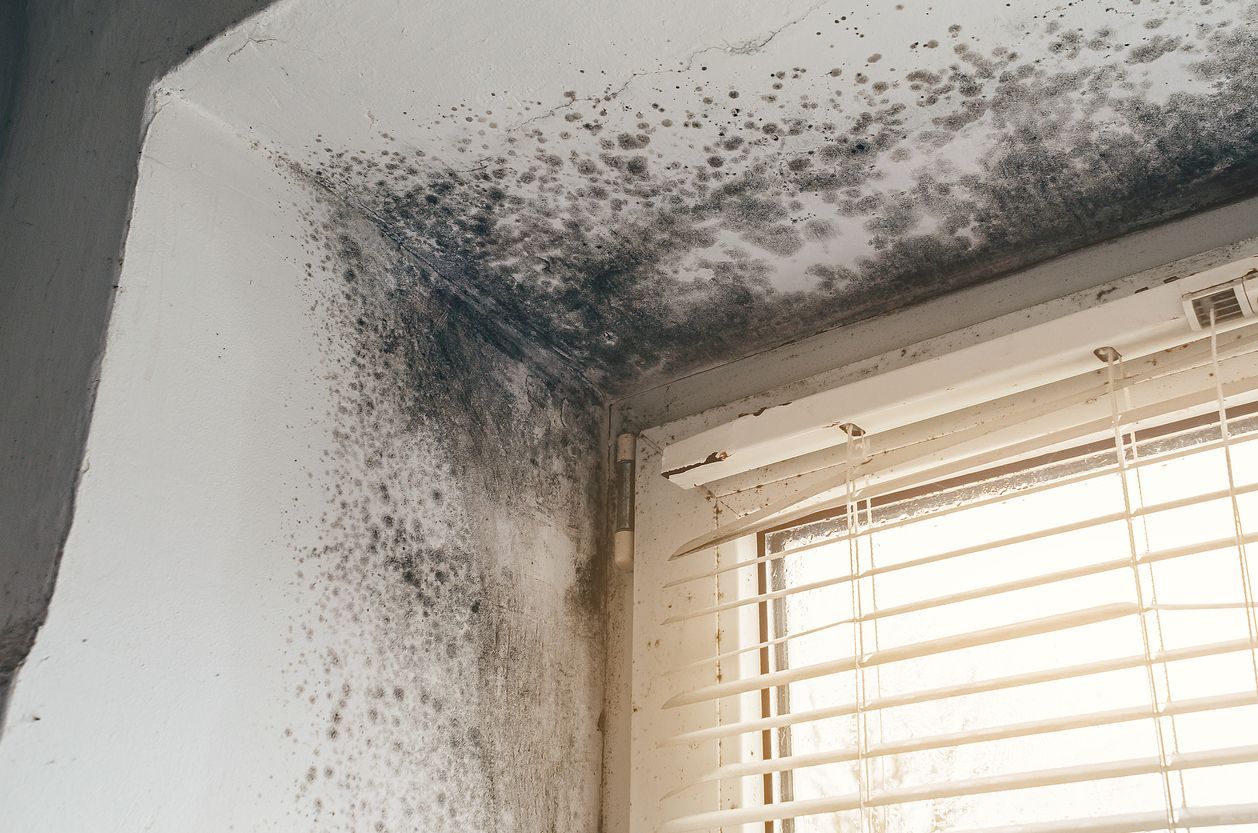
mold growth and the likelihood of additional damage after the project has been completed.
A professional drying and mitigation process from a water damage restoration company includes:
- Extracting Standing Water and Removing Damaged Materials – Standing water gets removed first, followed by wet carpet pads and other porous materials that can't be effectively dried.
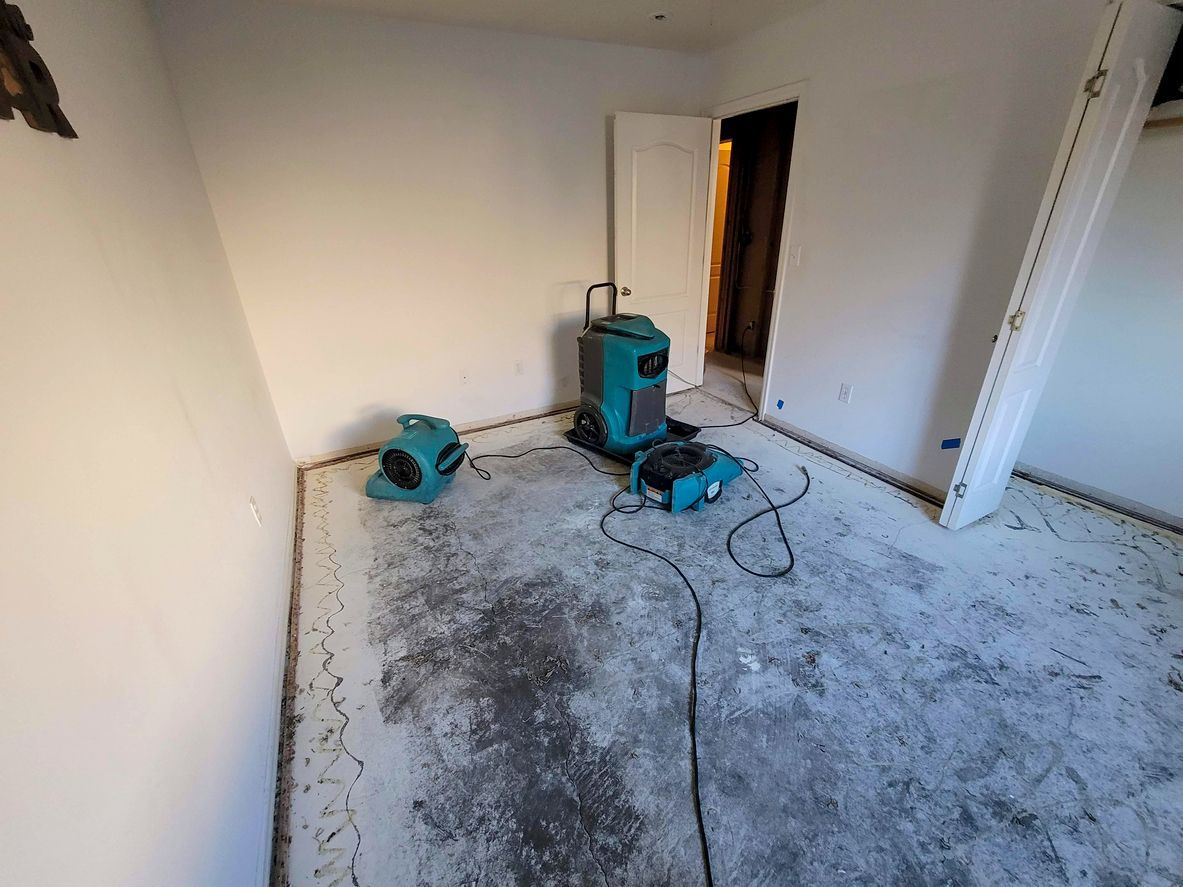
- Drying the Affected Area With Commercial Equipment – Industrial dehumidifiers and air movers are used to provide more effective drying results than are possible with equipment found in retail stores.
- Taking Moisture Readings Throughout the Drying Process – Your restoration team compares moisture levels in wet materials against dry reference materials to track drying progress with precision.
- Confirming the Area Is Fully Dry Before Repairs Begin – Repairs or reconstruction only start once moisture readings confirm the affected materials meet drying targets.
Communicate About the Water Damage and Document the Response
Throughout the response process, your team should communicate proactively and transparently with every affected tenant. Tenant communication should provide clear instructions and reliable updates about building access, safety considerations, drying and restoration work, and repair timelines. This approach can reduce tenant frustration and help the restoration company move through the mitigation and repair process more efficiently.
Keep your tenants informed by providing the following updates:
- Confirm the Status of the Water Source – Let all affected tenants know whether the water is shut off and which areas of their unit to avoid to prevent safety issues.
- Clarify Which Systems Remain Safe to Use – Inform tenants whether it is safe to use the electricity, HVAC, kitchen, bathroom or other affected systems in their unit.
- Share Specific Details for Restoration Work as They’re Finalized – Provide tenants with clear information regarding the entire restoration process so they know what to expect. This should include times workers will be accessing their unit for inspection, restoration and repairs. It should also include an estimated timeline for the completion of the project.
- Clarify What Management Handles Versus Renters Insurance – Explain which repairs management covers and which personal property losses fall under the tenant's own renters insurance policy.
In addition, it’s important to clearly document the actions taken at every stage of the process. Thorough documentation of the initial tenant report, affected areas, mitigation work, tenant notices and final restoration outcome will protect the building in the event a dispute arises. It also gives your insurance carrier the information it needs to process a claim related to the water damage incident.
Your documentation should include:
- Report Details and Photos – Document the report time, initial description and photos or video from before, during and after the response.
- Water Source and Repair Records – Record the water source determination, repair method and time the flow stopped.
- Moisture Readings and Drying Logs – Track daily moisture readings until the affected materials meet drying targets.
- Tenant Communications and Insurance Details – Log all communications with the tenant along with any insurance carrier notifications and claim numbers.
HRS Restoration Can Help
If you have a tenant report a water damage incident at your apartment building,
HRS Restoration can ensure the response is handled properly. We provide comprehensive water damage restoration services to multifamily apartment buildings in the Denver area. Our team understands how to coordinate with your team and communicate with your tenants to ensure a smooth process from start to finish. This experience will reduce tenant frustration, minimize tenant safety risks and expedite the restoration process.
We offer 24/7 emergency response services, and our technicians have a two-hour response time in the Denver metro area. This ensures you receive the prompt response necessary to minimize the damage to your building and show your tenants you are addressing their needs.
HRS is a subsidiary of
Haselden Construction, a family-owned company serving Denver for over 50 years. You’ll always receive the exceptional quality work Haselden has built its reputation on. In addition, our access to their vast resources will provide you with faster turnaround times, a smoother restoration process and highly competitive pricing.
Contact us to get the water damage restoration process started. HRS Restoration serves multifamily apartment buildings in Denver and throughout the Rocky Mountain region.
Tenant Water Damage Response FAQs
What should I do first when a tenant reports water damage?
Give the tenant clear safety instructions right away. Ask them to stay away from standing or flowing water, avoid electrical equipment near the water, and stay out of any room with a damaged ceiling. At the same time, contact a professional water damage restoration company to begin the response.
Who is responsible for stopping the source of the water damage?
Your on-site maintenance staff should shut off the water source when it's safe to do so. If it isn't safe for maintenance to handle it, the water damage restoration team will stop the water source once they arrive.
Why does drying need to be handled by a professional restoration company?
A surface can look and feel dry while insulation, subflooring or the inside of a wall cavity is still wet. A water damage restoration company uses commercial dehumidifiers and air movers, and takes moisture readings throughout the drying process to confirm the affected materials actually meet drying targets before repairs begin.
What should I tell a tenant after a water damage report?
Confirm whether the water is shut off and which areas of the unit to avoid. Let the tenant know which systems, such as electricity, HVAC or the kitchen, remain safe to use. Share the next confirmed steps in the restoration process as they become clear. Clarify which repairs management covers and which personal property losses fall under the tenant's own renters insurance policy.