How to Minimize Resident Disruption During Water Damage Restoration in a Multifamily Apartment Building

Andrew Martin • October 6, 2026

Water damage is one of the most destructive things that can happen to any building. Restoration often requires extensive demolition as well as construction, and in a multifamily apartment building this can be very disruptive to residents, making them disgruntled. This can lead to unwanted vacancies. Sometimes residents may even rebel against the restoration, creating additional hassle for the project. 

Minimizing resident disruption helps everyone navigate the restoration more easily, leading to a happier overall result. Here are some tips to improve the water damage restoration process at your buildings. 


Early Detection Matters 

Early detection is always critical when it comes to water damage. If you detect water damage sooner, less restoration will be required. Fewer units will be impacted, and the level of impact will be less as well. Residents will also have a better opinion of management if a problem gets addressed promptly. 

Detecting water damage early means performing thorough site inspections regularly as well as shortly after major storms. It also means promptly following up on reports and complaints by residents. 


Find the True Source(s) of Water Damage 

It’s important to find and fix the true source of water damage. Otherwise, leaks will reoccur and you’ll see additional water damage. Previous restorations will be undone, and the entire process will have to be repeated. Repeated attempts to fix the same water damage problem will exhaust residents’ patience and lead to negative feelings toward management. 

Unfortunately, water damage can be tricky to track to its source. Water damage will be more visible below the water source, but you have to keep working upward until you can definitively say you are above the source of water. Water can travel down along pipes and create suspicious corrosion where it drips from in addition to where it emerges. Don’t assume that finding one source of water means you’ve found all the sources of water. In addition, be prepared for your restoration company to find additional water sources that your in-house maintenance team missed. These are specialized professionals who know where to look for leaks. 


Perform a Complete Fix as Soon as Practical 

When you detect the source of water damage, it sometimes makes sense to perform a short-term fix, such as a temporary patch or even a tarp on the roof or a spot seal on a leaky pipe. You might not have the budget to perform the proper fix immediately, or a complete fix might be too disruptive to residents and/or operations to implement right away. 

However, it’s important to look at these temporary fixes as temporary and begin immediately working to implement a permanent fix ASAP. Otherwise, you risk a failure of your temporary fix and a resumption of water damage. 


Work with Residents to Find Creative Solutions 

When discussing potential disruption with your residents, talk to them about different options for minimizing disruption. For example, find times when one or more units might be vacant anyway. This can be especially useful if your resident population includes a high proportion of college students, who are likely to travel during Spring Break or other school holidays. Also consider options like moving residents out of affected units if you have reasonable vacancies. Yes, moving is disruptive, but residents won’t look at it the same way, especially if they are getting a benefit in return: 

  • More / less sun 
  • Better view 
  • Greater proximity to their parking space or other amenities like laundry, pool, etc. 
  • Moving away from noisy or unpleasant neighbors 

The key is to talk to them about what they might want while setting realistic expectations about the level of disruption. 


Choose the Right Restoration Company 

Your choice of restoration company can make a big difference in the total disruption caused by water damage. The right restoration company will have the equipment and expertise to complete the restoration project quickly and competently, leading to less disruption for residents and reducing the risk of future disruptions. 

In addition, make sure your choice of restoration company will take care not only of your building, but residents’ property. They should avoid tracking in dirt, properly cover all furnishings in the unit, and clean up thoroughly after the project is complete. In addition, they should communicate clearly with you about the scope of the work beforehand so you can set expectations with your residents. 


HRS Restoration Can Help 

HRS restoration has extensive experience performing restoration work at multifamily apartment buildings. Fire damage, water damage, resident damage, and other damage types—we’ve worked on them all. We can ensure the job is done right with the minimum disruption necessary. 

We’re a leading water damage restoration company in the Denver area, with over 50 years of combined restoration and construction experience. Our team has the experience to handle all types of water damage. We can handle both sudden catastrophic floods due to burst pipes, roof failure, or groundwater as well as long-term damage from slow leaks that went undetected for years. Our team offers 24/7 emergency restoration services, and our expert technicians will arrive at your property shortly after receiving your call. 

At HRS, we can handle all stages in the process for you, including: 

  • Tracking down all sources of water damage 
  • Repairing the sources of water damage 
  • Using professional grade equipment to dry out the building, including interior hallways 
  • Perform all necessary structural repairs 

We perform active monitoring of the drying process so we know as soon as the property is fully dried—there’s no guesswork or additional waiting. We will also perform mold testing and can handle all necessary mold remediation to make sure the property is safe and ready for occupancy. 

HRS Restoration is a subsidiary of Haselden Construction, a third-generation, family-owned company with over 50 years’ experience serving Denver and the Rocky Mountain region. This affiliation lets us keep all work in-house, which can eliminate hassles of finding additional contractors, makes the process faster, and can save you money. You’ll also have the peace of mind knowing that your repairs are being handled by some of the best in the business. 

Contact us today to schedule an appointment. HRS Restoration serves customers in Denver and throughout the Rocky Mountain Region. 


Minimizing Resident Disruption During Multifamily Water Damage Restoration: Frequently Asked Questions 

How can property managers minimize resident disruption during water damage restoration? 

Property managers can minimize resident disruption during water damage restoration in a multifamily building by detecting water damage early, finding and fixing every true source of water, completing permanent repairs as soon as practical, working with residents on creative scheduling and relocation options, and hiring a restoration company that works quickly and protects residents' belongings. Reducing disruption helps prevent resident frustration, unwanted vacancies, and pushback that can complicate the project.

Why does water damage restoration disrupt apartment residents so much? 

Water damage restoration disrupts apartment residents because it often requires extensive demolition and reconstruction inside and around occupied units. In a multifamily building, this can affect several households at once. Disgruntled residents may move out, creating vacancies, or resist the restoration work, adding hassle for property management.

Why is early detection of water damage important in apartment buildings? 

Early detection of water damage limits how much restoration is needed, reduces the number of units affected, and lessens the impact on each unit. Residents also tend to view management more favorably when problems are addressed promptly. Early detection requires regular, thorough site inspections, inspections shortly after major storms, and prompt follow-up on resident reports and complaints.

How do you find the true source of water damage in a building? 

To find the true source of water damage, start where the damage is visible and keep working upward until you are definitively above the source, since water damage appears most clearly below where water enters. Water can travel along pipes and cause corrosion both where it drips and where it emerges, which can be misleading. Buildings may also have more than one water source, and professional restoration teams often find leaks that in-house maintenance staff miss.

What happens if you don't fix the true source of water damage? 

If the true source of water damage isn't found and fixed, leaks will recur, undoing earlier restoration work and forcing the whole process to be repeated. In apartment buildings, repeated attempts to fix the same water problem wear down residents' patience and create negative feelings toward management.

Are temporary fixes for water leaks acceptable? 

Temporary fixes for water leaks, such as a roof patch, a tarp, or a spot seal on a leaking pipe, can make sense when budget limits or potential disruption prevent an immediate permanent repair. However, they should be treated strictly as temporary, and work on a permanent fix should begin right away. A temporary fix that fails can bring water damage back.

How can property managers work with residents during water damage restoration? 

Property managers can work with residents by discussing options that reduce disruption while setting realistic expectations about the work. One approach is scheduling restoration when units will likely be empty anyway, such as school breaks in buildings with many college students. Another is relocating residents to vacant units, which residents often accept more readily when the new unit offers a benefit like better sunlight, a better view, closer parking or amenities, or distance from noisy neighbors. 

What should you look for in a water damage restoration company for an apartment building? 

When choosing a water damage restoration company for an apartment building, look for: 

  • The equipment and expertise to complete restoration quickly and competently 
  • Care for residents' property, including covering furnishings, avoiding tracked-in dirt, and cleaning thoroughly afterward 
  • Clear communication about the scope of work before the project starts, so management can set expectations with residents 

The right company reduces both current disruption and the risk of future problems. 


What does the water damage restoration process include? 

A full water damage restoration process includes tracking down all sources of water, repairing those sources, drying the building with professional-grade equipment, including interior hallways, and completing necessary structural repairs. Thorough restorations also include active monitoring to confirm when the property is fully dry, mold testing, and mold remediation to make the property safe for occupancy. 

Why is mold testing part of water damage restoration? 

Mold testing is part of water damage restoration because moisture left behind by leaks or flooding can lead to mold growth that isn't always visible. Testing confirms whether mold is present, and remediation removes it so the property is safe and ready for residents to return. 

Who provides water damage restoration for apartment buildings in Denver? 

HRS Restoration provides water damage restoration for multifamily apartment buildings in Denver and throughout the Rocky Mountain region, along with fire damage, resident damage, and other restoration services. The company handles both sudden catastrophic flooding from burst pipes, roof failure, or groundwater and long-term damage from slow, undetected leaks. HRS Restoration offers 24/7 emergency service and manages every stage in-house, from leak detection and repair to drying, structural repairs, mold testing, and remediation. It is a subsidiary of Haselden Construction, a third-generation, family-owned company with over 50 years of experience in the region, and its combined team brings over 50 years of restoration and construction experience. 

By Andrew Martin • October 7, 2026
Identify Pipes at Risk
woman reporting water damage at her apartment to her landlord
By Andrew Martin • September 1, 2026
A tenant reported water damage. Learn the steps to stop the source, assess damage, coordinate drying and communicate with tenants correctly.
apartment building sustaining water damage from a flood
By Andrew Martin • September 1, 2026
Plumbing failures, appliance leaks, HVAC issues and exterior intrusion all cause apartment building water damage. Learn the warning signs.
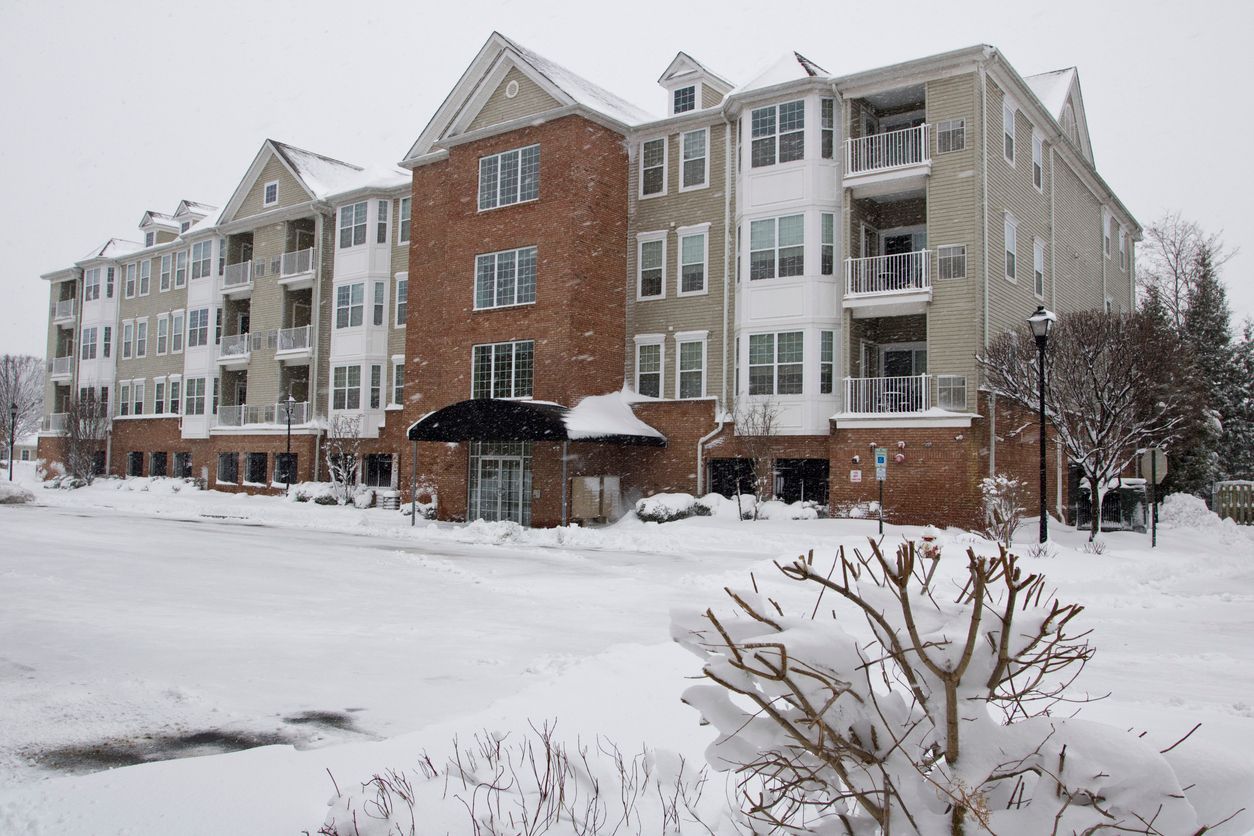
multifamily apartment building after a winter storm
By Andrew Martin • September 1, 2026
Protect your apartment building from winter storm damage. Get fall prep steps for roofs, HVAC, plumbing and drainage before freezing hits.
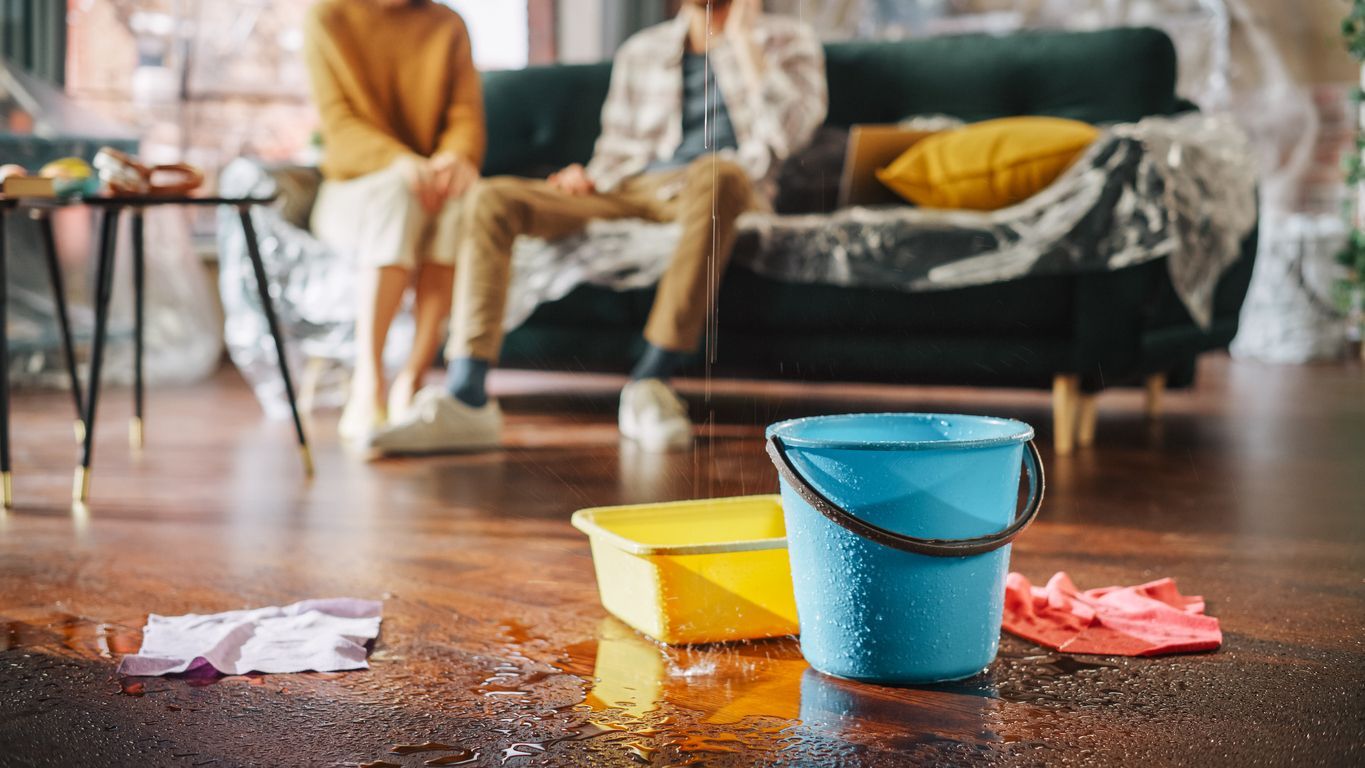
home that has sustained water damage to the living room
By Andrew Martin • August 19, 2026
Untreated water damage leads to mold, structural damage and costly repairs. Learn the risks and how
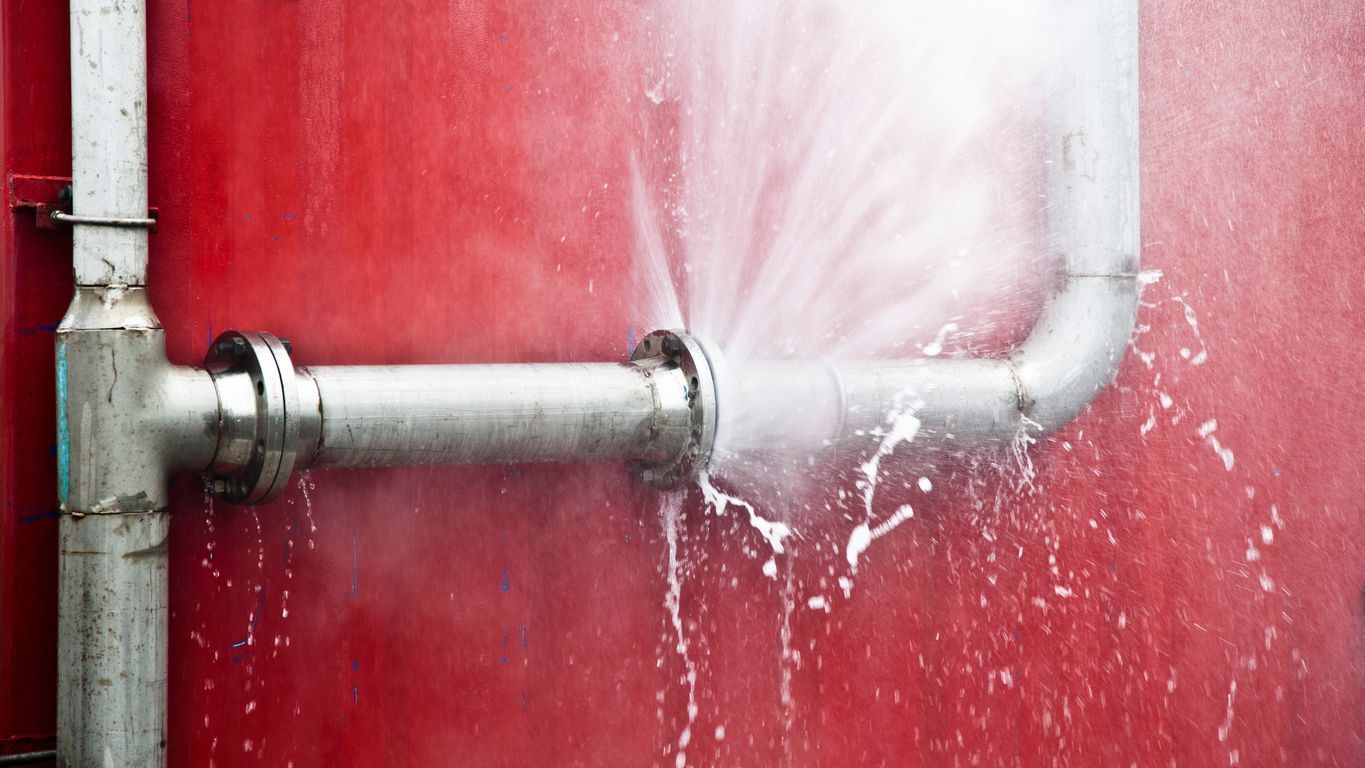
burst pipe requiring emergency response water damage restoration
By Andrew Martin • July 30, 2026
Learn the essential steps to take during a home water emergency, from shutting off water to contacting your insurance. HRS Restoration can help.
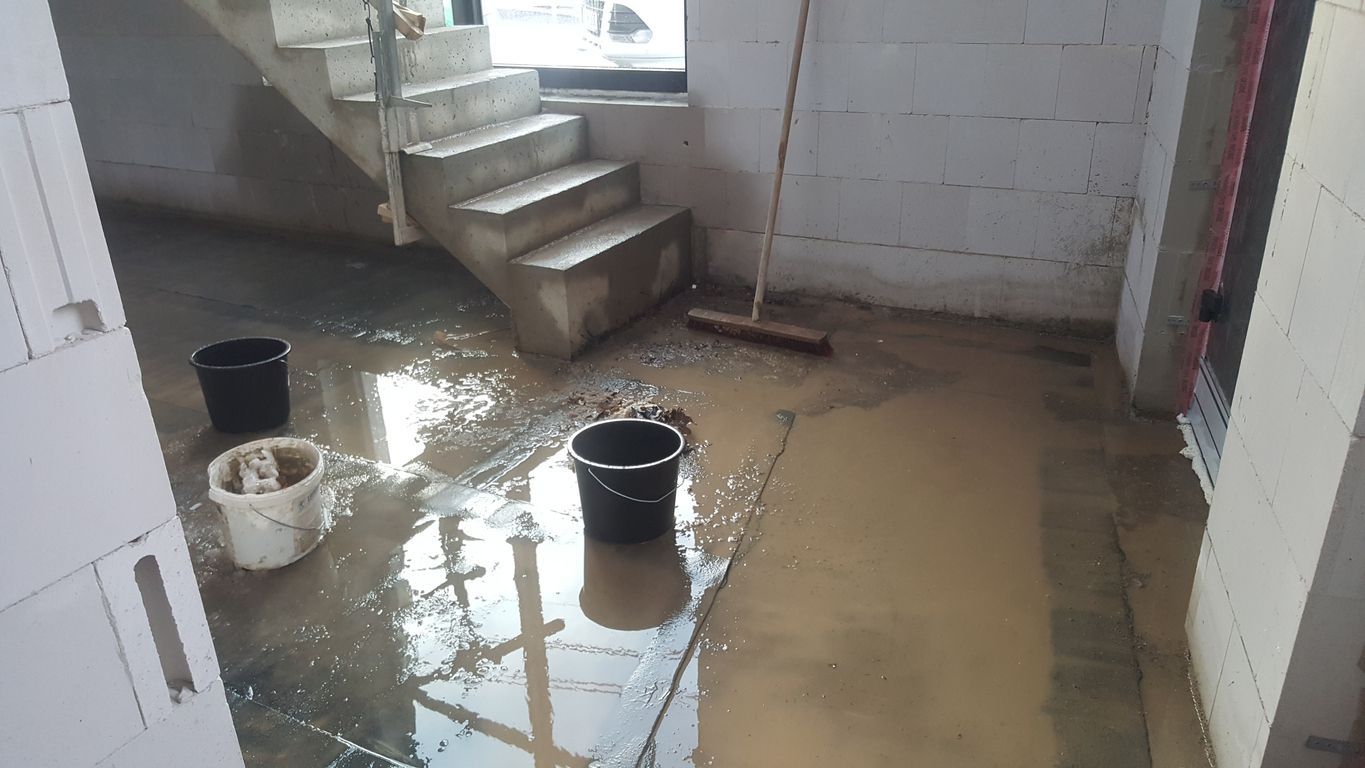
basement of a home with water damage
By Andrew Martin • July 30, 2026
Water damage won't resolve on its own and gets worse over time. Learn the risks and how HRS Restoration can protect your Denver-area home.
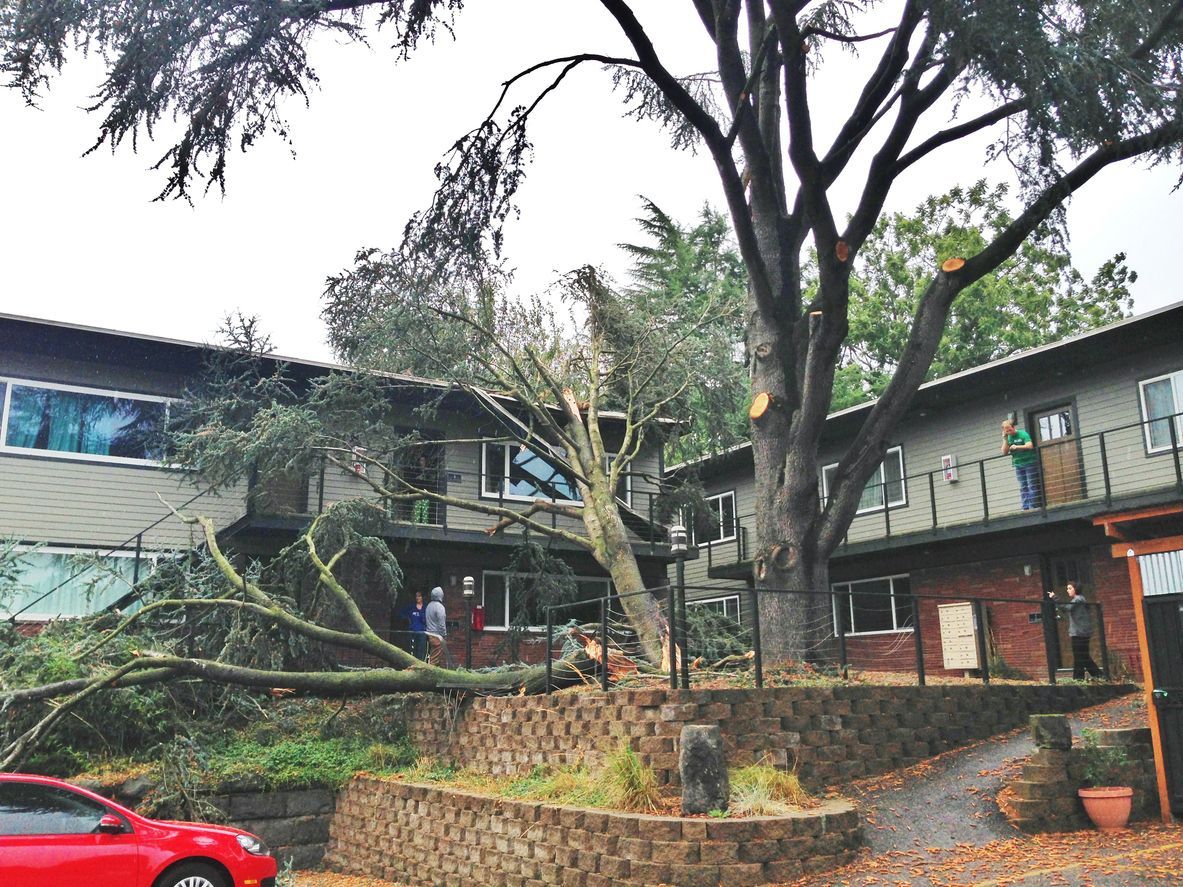
apartment building with a downed tree due to storm damage
By Andrew Martin • July 30, 2026
Learn how to build a storm damage response plan for your apartment building, from contact lists to resident communication. HRS Restoration can help.
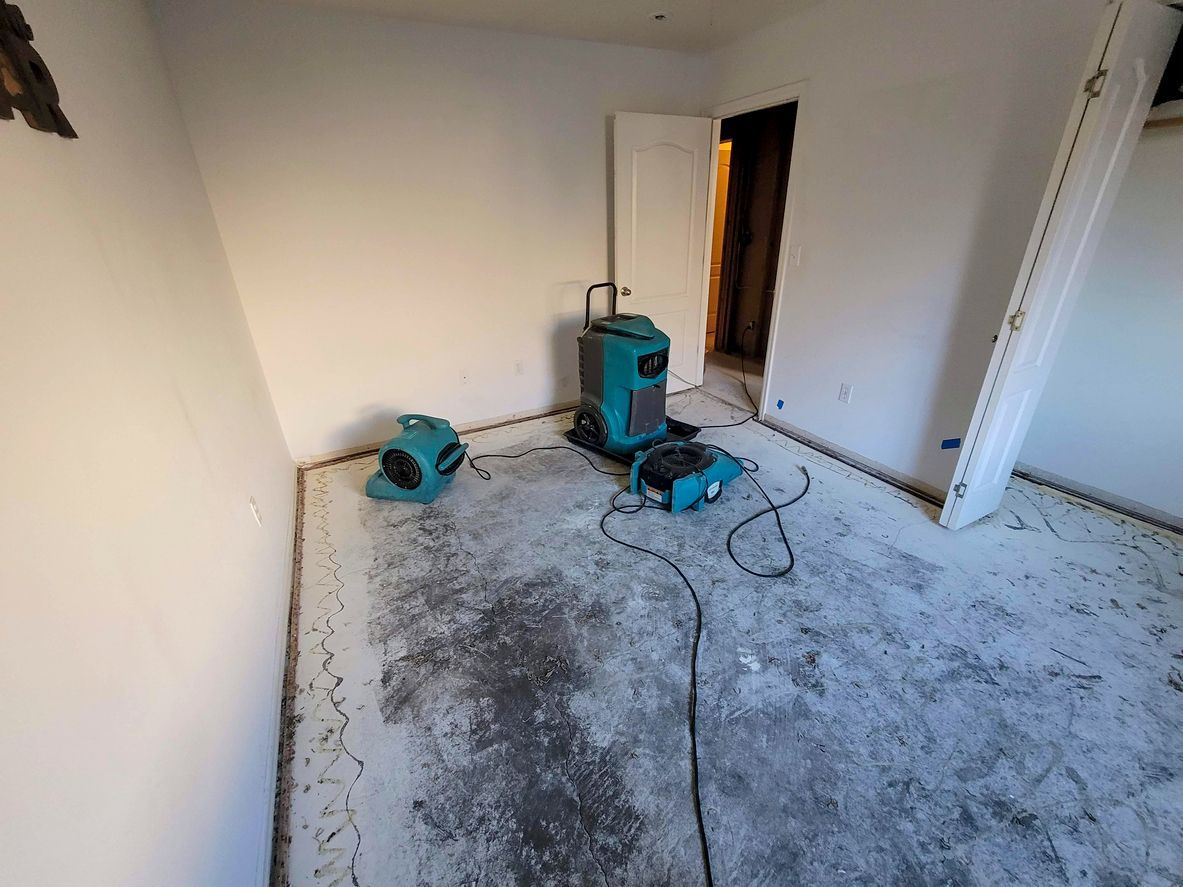
air movers and a dehumidifier used during water damage restoration in an apartment unit
By Andrew Martin • July 29, 2026
See what determines how long water damage restoration takes in an apartment building. HRS Restoration offers 24/7 emergency response in Denver.
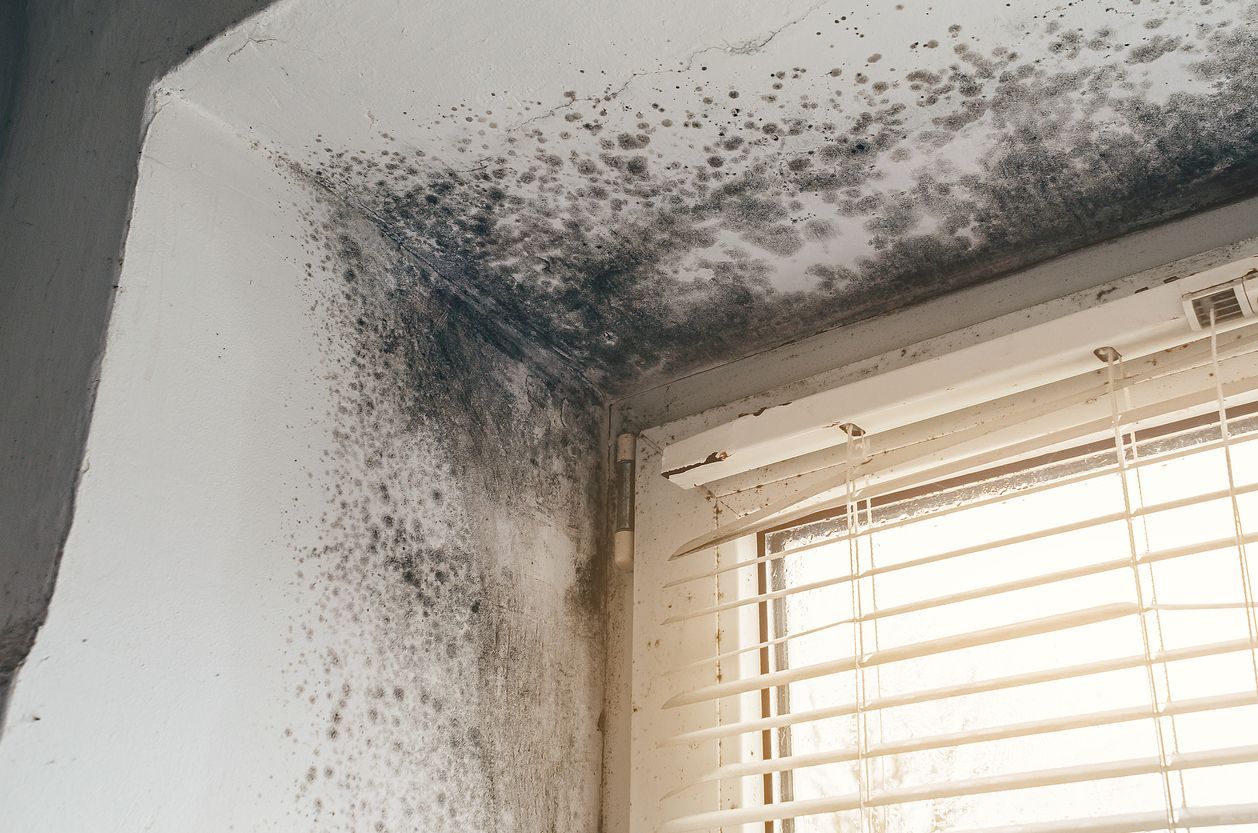
mold growth by a window after water damage in an apartment building
By Andrew Martin • July 29, 2026
Learn how fast mold grows after water damage and the steps that protect your apartment building. HRS Restoration offers 24/7 response in Denver.
Show More