
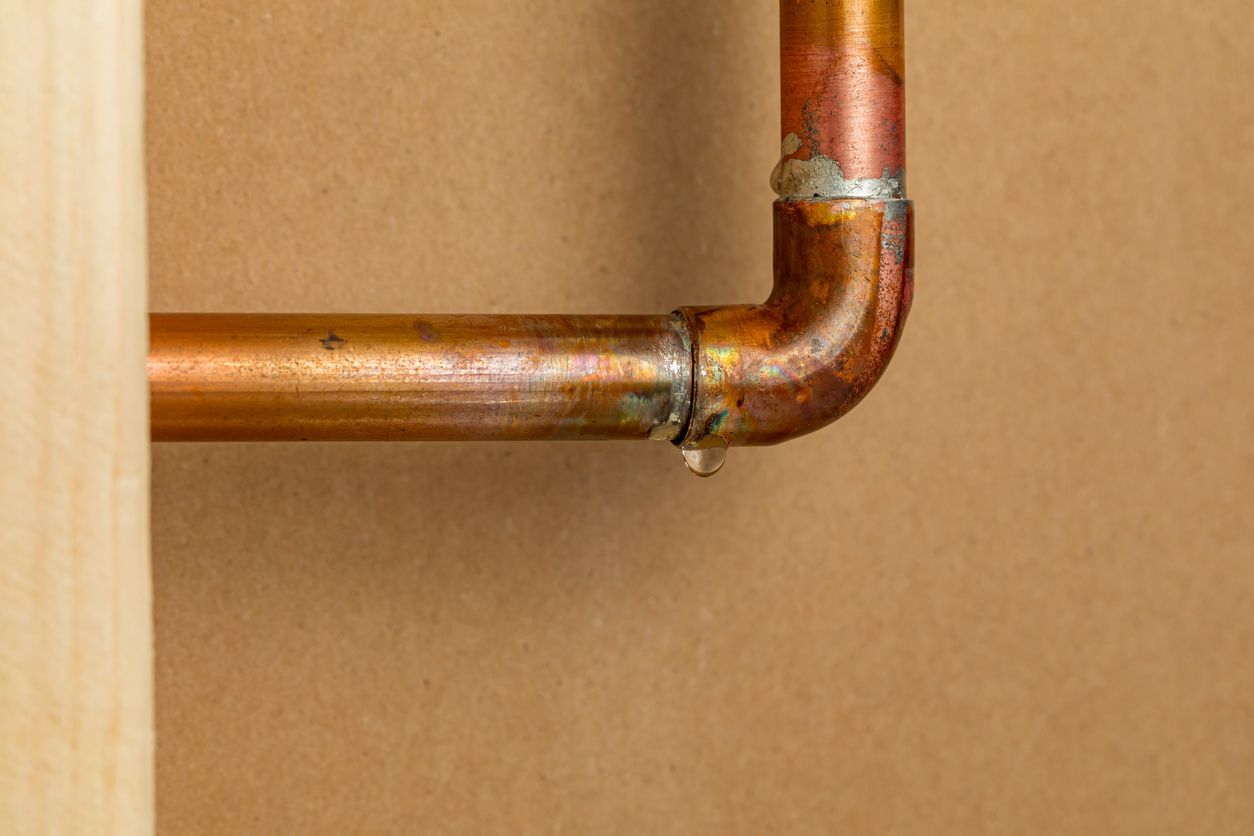
How a Restoration Service Can Help Your Medical Facility Contain and Clean a Biohazard Incident

Andrew Martin • October 28, 2026

Training for dealing with biohazard incidents comes standard for most of the personnel at your medical facility. 

However, there are times when a biohazard incident is beyond the scope of your typical personnel. These are the times when a restoration service can augment your regular personnel to help you contain and clean a biohazard incident rapidly, efficiently, and with a minimum disruption to your facility’s operations. 

Why Bring in a Restoration Service

If your personnel are trained to handle a biohazard incident, why should you bring in a restoration service to help? There are several good reasons why bringing in a restoration service can provide invaluable aid to your medical facility: 

  • Additional personnel: Everyone at your facility already has a job, and they’re busy at that job every hour of the day. Pulling people off their jobs to deal with a complicated biohazard incident is going to force them to stop doing their work. The restoration company can bring in their own personnel to handle this work, which allows your staff to keep focused on their work, providing your patients and other customers with the high standard of care you promise. 
  • Skills outside your toolkit: While your personnel are trained to handle many biohazard incidents, there are some that expand beyond what your personnel can handle. For example, if the biohazard incident is due to or includes major flooding, especially from a contaminated source, a full water damage response will likely include testing and removing saturated structural components and replacing those components. It might also include specialized HVAC, electrical, and plumbing work. 
  • Proper supplies and equipment: Dealing with a large-scale biohazard incident will require certain supplies and equipment that your hospital might not have, or that is in short supply. A restoration service will bring all the equipment needed for the job so you won’t have to requisition additional supplies. 
  • Practiced ease: While your team might handle large biohazard incidents only occasionally, a restoration service might handle them every day. They know the exact steps required to get the incident under control and get your facility ready to resume normal or full operations as quickly as possible. 

All these reasons make a restoration service a great choice when you are trying to deal with a significant biohazard incident. 


How to Choose a Restoration Service 

Once you’ve decided that you want to hire a restoration service, how do you choose the right one? Here are a few things to look for: 

  • Hospital experience 
  • Comprehensive expertise 
  • Prioritizes your schedule 
  • Excellent communication 
  • Sufficient resources 
  • Great reputation 

You want to choose a restoration service that has experience doing work in hospitals. That way, they’re ready to step into your project and get to work without delay. Also make sure you’re hiring someone with the comprehensive expertise that your project requires. Yes, this includes all the aspects of containing and cleaning the biohazard spill, but it should also include the other aspects of your project, including demolition, construction, drying, specialized repairs, and finishing work. 

A restoration service should make your schedule their priority. They should be prepared to stage phases of the work to minimize patient disruption. Excellent communication is required to ensure they understand all your needs, priorities, and instructions. They also need to keep you informed of the project’s progress and any changes. 

It’s optimal to find a restoration company that has the resources to handle the entire project without bringing in too many subcontractors, which can introduce delays, create uncertainty, and increase costs. 

Finally, make sure the restoration service you choose has a great reputation among its previous clients. You want someone who has a history of providing great work and standing by that work. 

What a Restoration Service Can Do to Help 

A restoration service can magnify your team’s ability to handle a large biohazard spill or contamination. One thing they can do is recommend appropriate testing for construction material related hazards. Your team may know what to do about the biohazards involved in the spill, but they might not know about the presence of: 

  • Asbestos 
  • Lead 
  • Mold 
  • Mercury 
  • Toxic organic compounds 

If present in the facility’s structure, they may require different and/or additional material control protocols. 

When your team performs an infection control risk assessment (ICRA), a restoration service can implement the recommended measures, such as: 

  • Containment of water, dust, fibers, debris, and other materials 
  • Setting up appropriate filtration, negative pressure where required 
  • Establishing restricted access, including antechambers for donning and removing PPE 
  • Controlled debris removal 

Lastly, a restoration company can help your team set up and maintain interim life safety measures (ILSM), such as: 

  • Temporary emergency exits 
  • Equivalent temporary fire alarm and detection system 
  • Additional firefighting equipment 
  • Appropriate partitions to retard the spread of fire and smoke 
  • Managing of construction supplies and debris to minimize combustible material 
  • Performing required inspections, maintenance, and surveillance of construction areas 

These essential services can make a restoration service your invaluable partner for handling a large biohazard spill. 

HRS Restoration Services Is Ready to Help 

HRS understands the demands of healthcare environments. We work closely with facility teams to deliver restoration and construction services with patient safety, infection prevention, and continuity of care as top priorities. 

We have over 50 years of experience performing water damage restoration at healthcare facilities. We offer rapid response services for biohazard spills, and we will arrive at your facility as quickly as possible after your call. Our in-house team members are both IICRC- and ICRA-certified for water damage as well as infection control. We understand biohazard response protocols and can quickly implement your facility’s plans to achieve results appropriate to your standards and those of all organizations whose accreditations you hold. 

HRS Restoration is a subsidiary of Haselden Construction, a third-generation family-owned Colorado company with a reputation for delivering exceptional quality work. Haselden Construction has built many area healthcare facilities, bringing from-the-ground-up expertise to our restoration work. They also allow us to perform all services in-house, which can lead to a more streamlined process, faster turnaround times, and highly competitive pricing. 

Contact us today for a quote or call (720) 649-6881 for emergency biohazard cleanup help. HRS Restoration services hospitals in Denver and throughout the Front Range. 

How a Restoration Service Can Help Your Medical Facility Contain and Clean a Biohazard Incident FAQs: 

When should a medical facility bring in a restoration service for a biohazard incident?

A medical facility should bring in a restoration service when a biohazard incident goes beyond what its trained personnel can handle, such as large-scale contamination or a spill involving major flooding. A restoration service augments facility staff so the incident can be contained and cleaned rapidly, efficiently, and with minimal disruption to operations. 

Why hire a restoration service if hospital staff are already trained in biohazard response? 

Hospitals hire restoration services for biohazard incidents because they provide additional personnel, skills outside the hospital’s toolkit, proper supplies and equipment, and practiced ease from handling these incidents regularly. This allows hospital staff to stay focused on patient care instead of being pulled away from their regular duties. 

What skills does a restoration service bring that hospital staff may lack? 

A restoration service brings skills needed when a biohazard incident involves major flooding, especially from a contaminated source. A full water damage response can include testing and removing saturated structural components, replacing them, and performing specialized HVAC, electrical, and plumbing work that falls outside typical hospital biohazard training. 

How do you choose a restoration service for a hospital biohazard incident?

To choose a restoration service for a hospital biohazard incident, look for hospital experience, comprehensive expertise, a commitment to prioritizing your schedule, excellent communication, sufficient resources to avoid relying on subcontractors, and a strong reputation among previous clients. Comprehensive expertise should cover biohazard cleanup as well as demolition, construction, drying, specialized repairs, and finishing work. 

Why should a hospital restoration company avoid using too many subcontractors? 

A hospital restoration company should avoid using too many subcontractors because they can introduce delays, increase costs, and create uncertainty about whether the subcontractor has the proper skills and certifications for dealing with biohazards. A restoration service with enough in-house resources to handle the entire project provides more consistent quality and smoother coordination. 

What construction material hazards should be tested for during hospital biohazard cleanup? 

During hospital biohazard cleanup, a restoration service can recommend testing for construction material hazards including asbestos, lead, mold, mercury, and toxic organic compounds. If these materials are present in the facility’s structure, they may require different or additional material control protocols beyond those used for the biohazard itself. 

How does a restoration service implement ICRA recommendations? 

After a hospital team performs an infection control risk assessment (ICRA), a restoration service can implement the recommended measures. These include containing water, dust, fibers, and debris; setting up appropriate filtration and negative pressure where required; establishing restricted access with antechambers for donning and removing PPE; and performing controlled debris removal. 

What are interim life safety measures (ILSM) in hospital restoration?

Interim life safety measures (ILSM) are temporary safety provisions maintained while restoration or construction work affects a healthcare facility. A restoration company can help set up temporary emergency exits, equivalent temporary fire alarm and detection systems, additional firefighting equipment, fire- and smoke-retarding partitions, management of combustible construction materials, and required inspections and surveillance of construction areas. 

What certifications does HRS Restoration Services hold for healthcare work?

HRS Restoration Services’ in-house team members are both IICRC-certified and ICRA-certified, covering water damage restoration and infection control. HRS understands biohazard response protocols and implements each facility’s plans to meet its own standards and those of its accrediting organizations. 

Why choose HRS Restoration Services for a medical facility biohazard incident? 

HRS Restoration Services has over 50 years of experience performing water damage restoration at healthcare facilities and offers rapid response for biohazard spills. HRS prioritizes patient safety, infection prevention, and continuity of care, and works closely with facility teams to deliver restoration and construction services suited to healthcare environments. 

How does Haselden Construction benefit HRS Restoration Services clients? 

HRS Restoration Services is a subsidiary of Haselden Construction, a third-generation, family-owned Colorado company that has built many area healthcare facilities. This relationship gives HRS from-the-ground-up healthcare construction expertise and allows all services to be performed in-house, resulting in a more streamlined process, faster turnaround times, and highly competitive pricing. 

What areas does HRS Restoration Services serve for emergency biohazard cleanup?

HRS Restoration Services provides emergency biohazard cleanup for hospitals in Denver and throughout Colorado’s Front Range. Facilities needing emergency help can call (720) 649-6881, and those with non-urgent projects can contact HRS Restoration Services for a quote. 

November 19, 2026
Understand where small leaks often occur and why they can be so destructive. Also learn tips to detect slow leaks before they cause serious damage to your home.
November 18, 2026
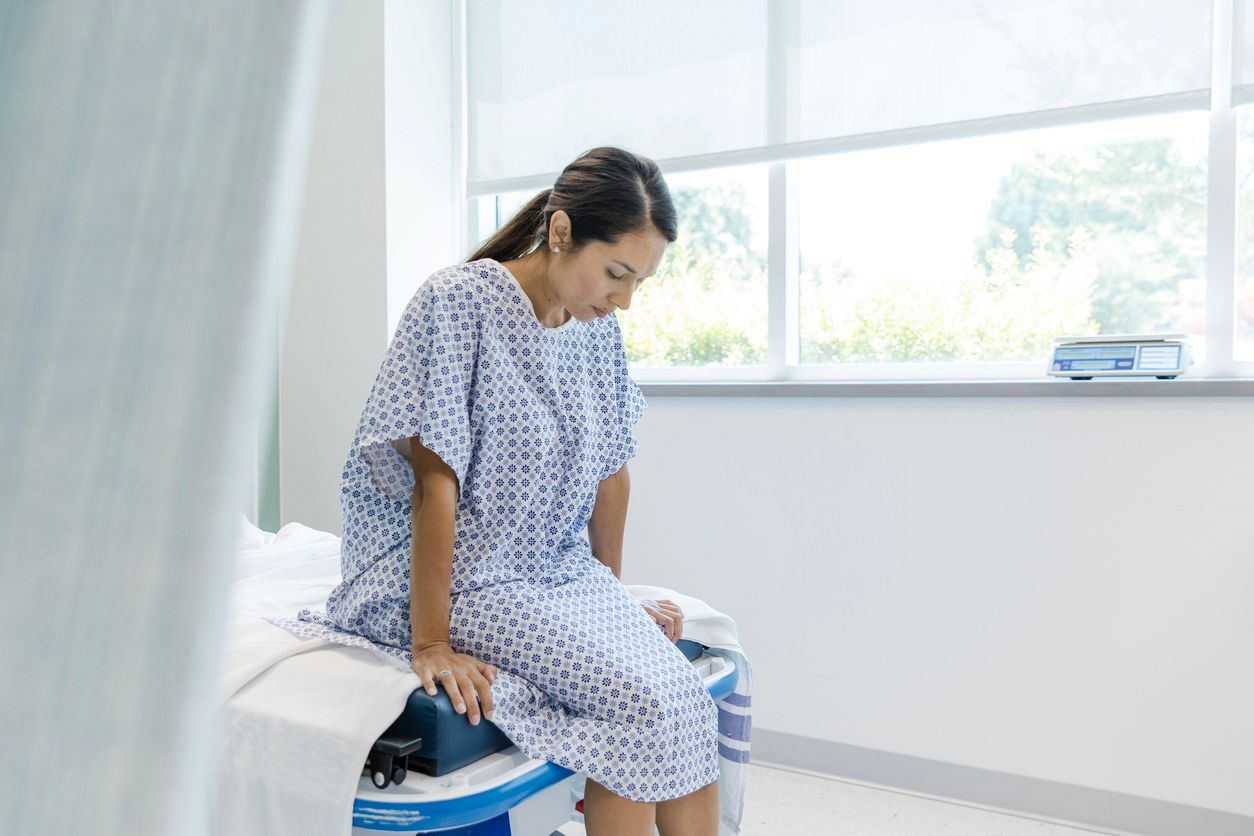
Biohazard spills can lead to major patient disruption, but a restoration service can help hospitals to control a spill with less disruption to patient care.

By Andrew Martin • November 17, 2026
Advice for owners and managers of multifamily properties for the holiday season, including what to put in a letter to residents and how to avoid frozen pipes.
By Andrew Martin • October 21, 2026
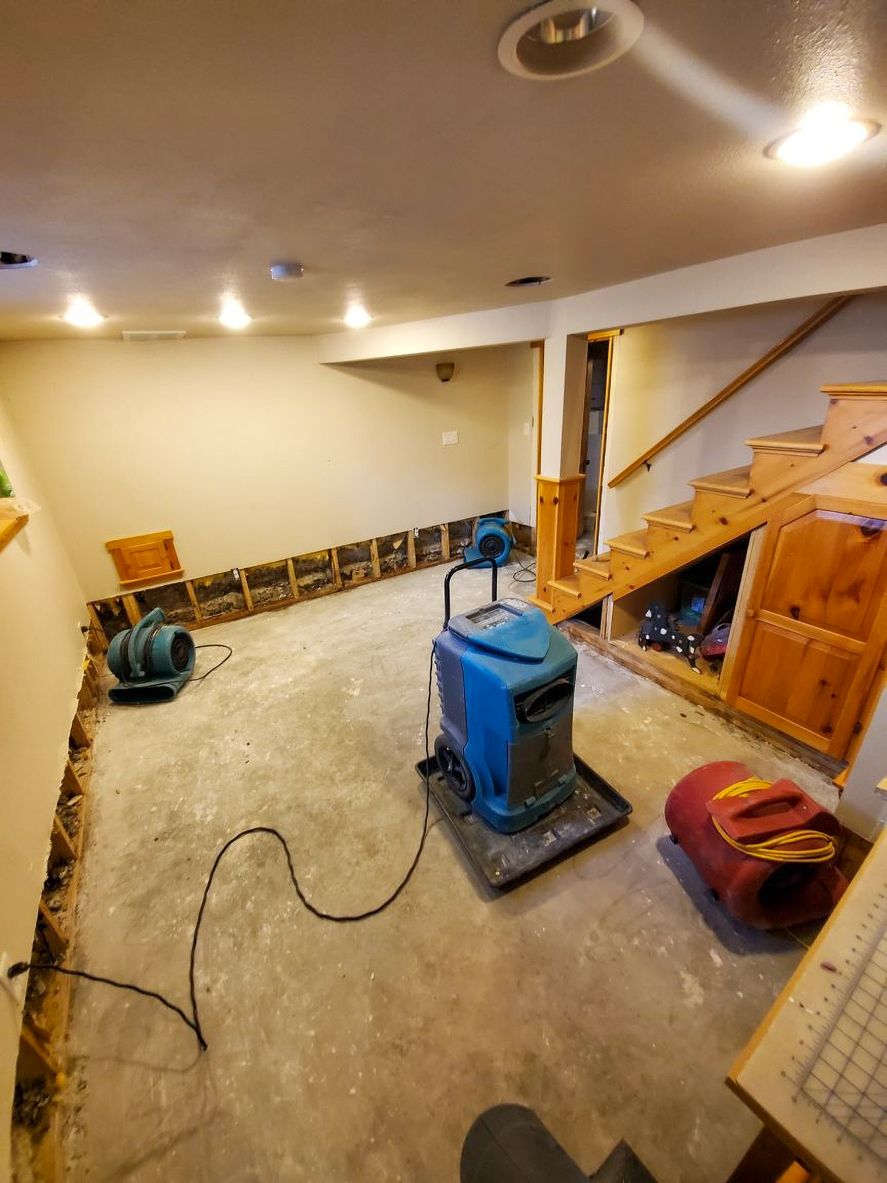
Recommendations about when you need a professional restoration service for water damage and when you might handle it yourself. Plus, a simple process for drying.
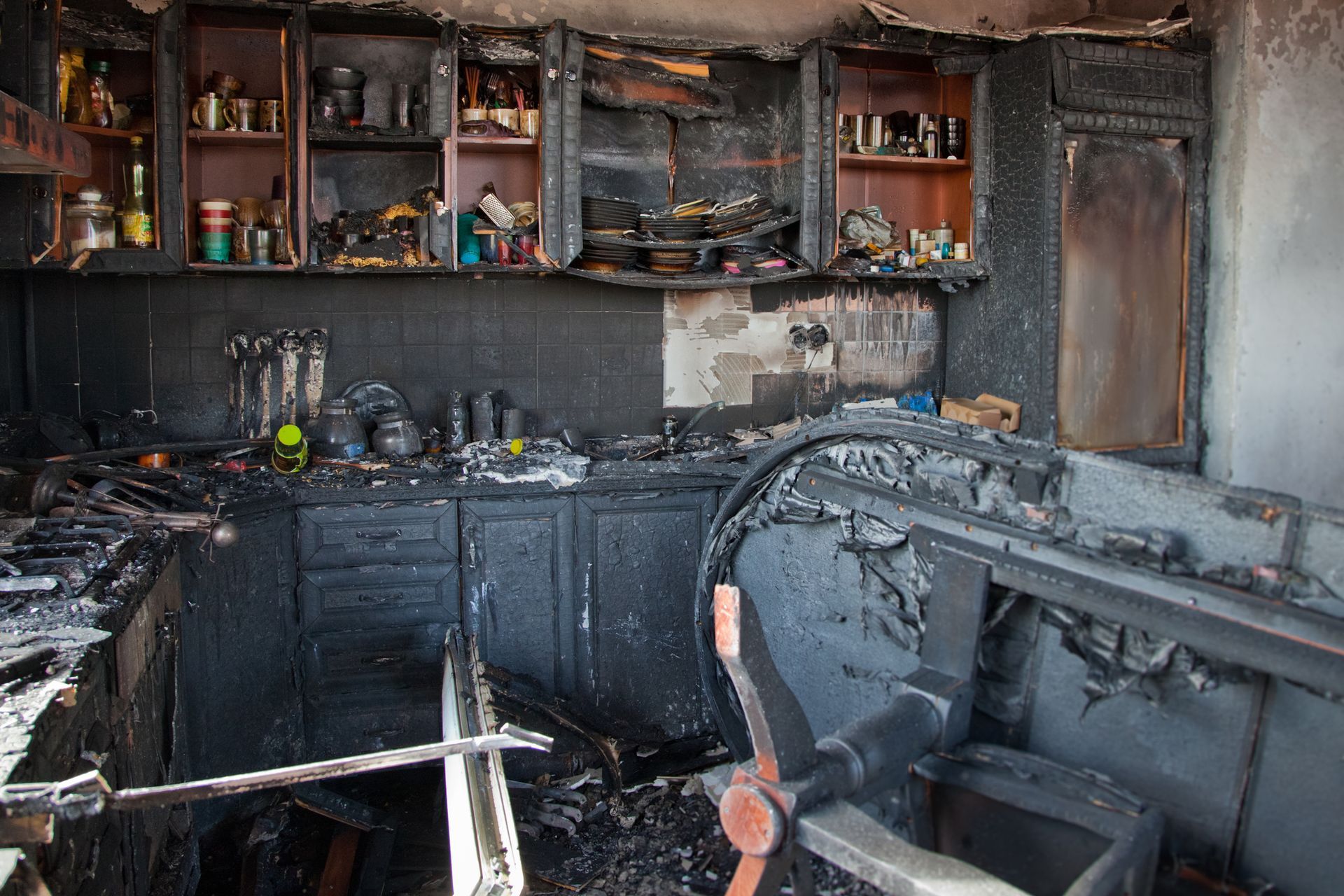
Severe fire damage to a residential kitchen that will need significant professional restoration
By Andrew Martin • October 7, 2026
Fire damage restoration timelines vary. This blog categorizes fire damage as minor, moderate, or severe, and offers expected restoration timelines for each category.
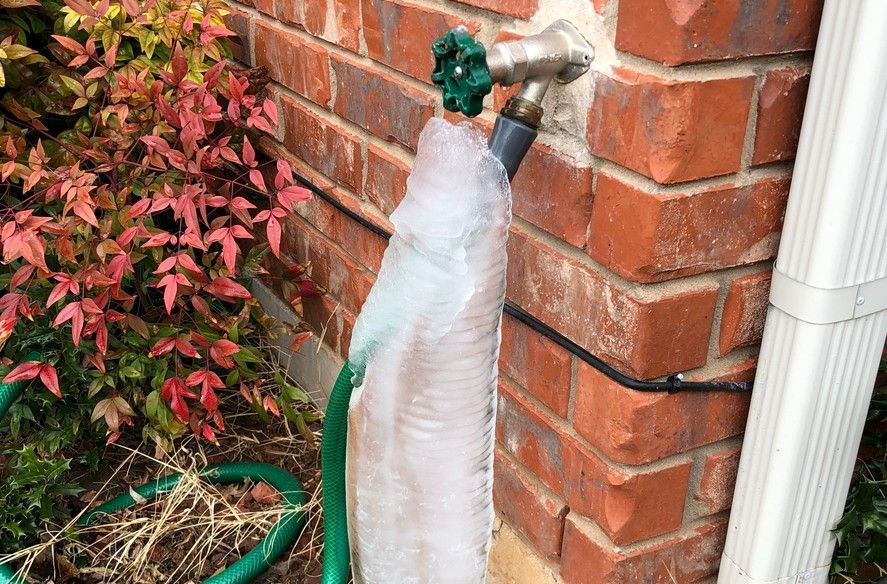
By Andrew Martin • October 7, 2026
Identify Pipes at Risk
Tenants deal with the frustration of water damage restoration. Boxes and plastic wrapped furniture a
By Andrew Martin • October 6, 2026
Tips to help landlords minimize the disruption caused by water damage restoration in their buildings, including setting reasonable expectations and arrangements.
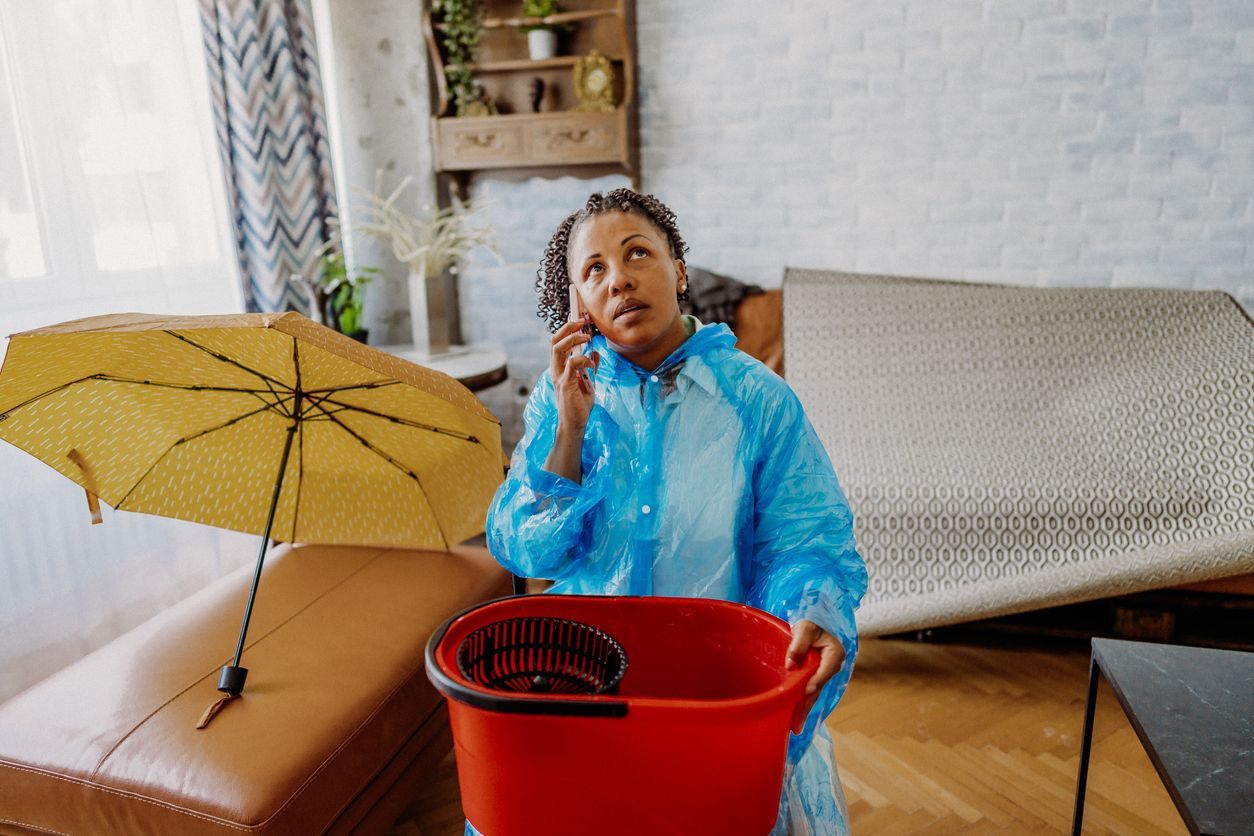
woman reporting water damage at her apartment to her landlord
By Andrew Martin • September 1, 2026
A tenant reported water damage. Learn the steps to stop the source, assess damage, coordinate drying and communicate with tenants correctly.
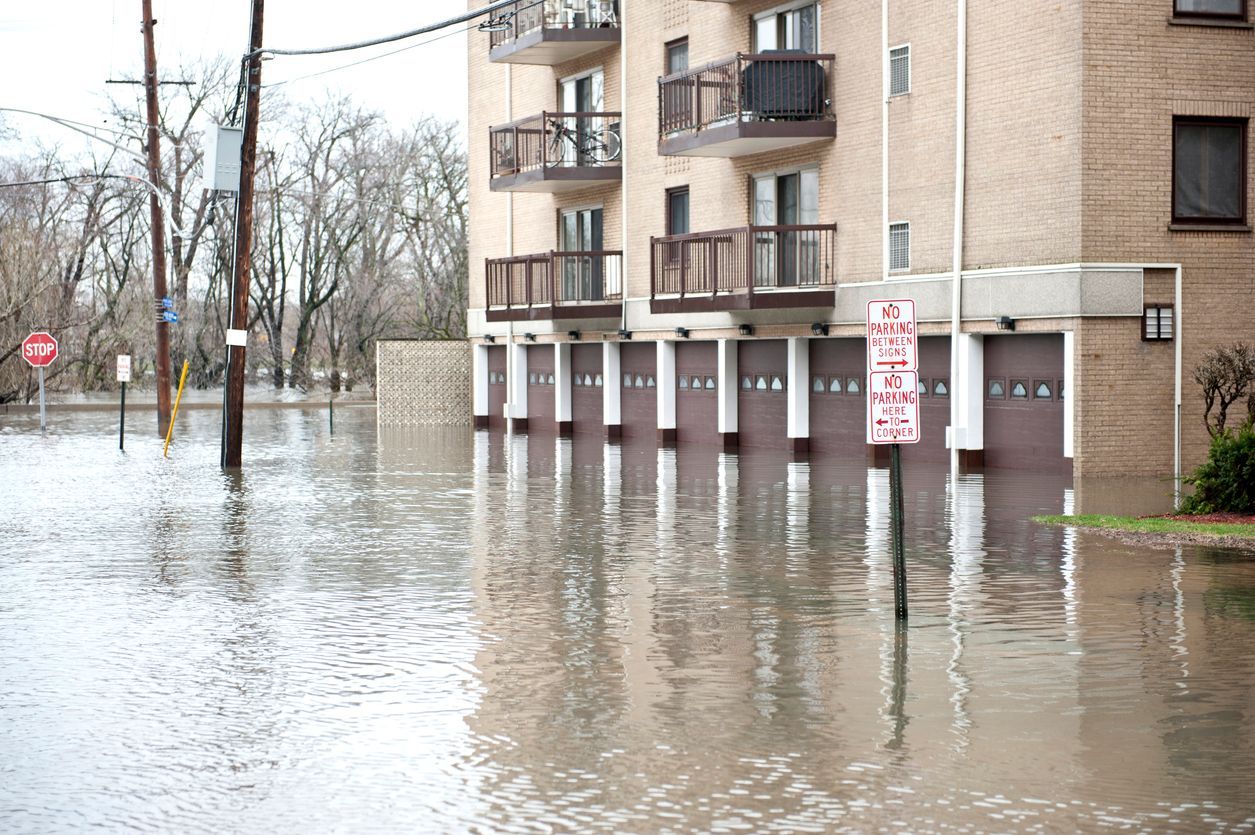
apartment building sustaining water damage from a flood
By Andrew Martin • September 1, 2026
Plumbing failures, appliance leaks, HVAC issues and exterior intrusion all cause apartment building water damage. Learn the warning signs.
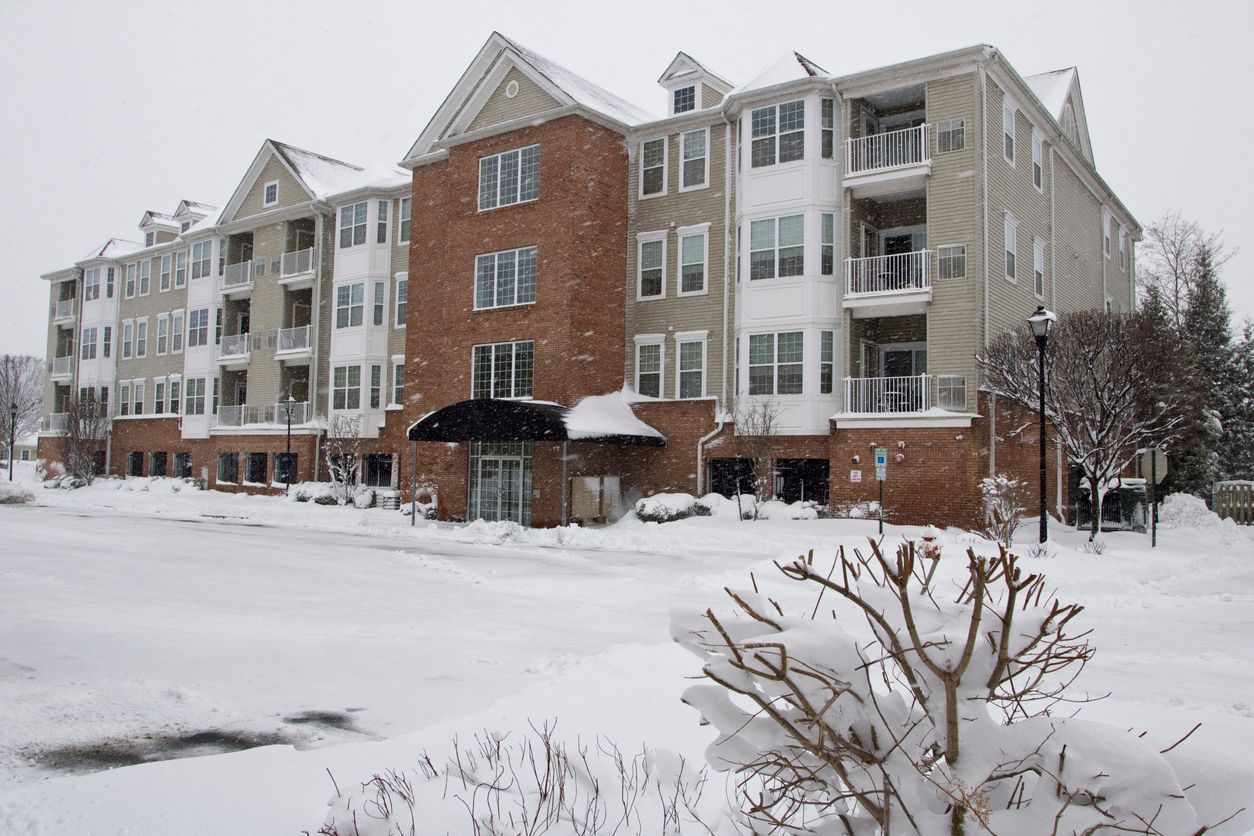
multifamily apartment building after a winter storm
By Andrew Martin • September 1, 2026
Protect your apartment building from winter storm damage. Get fall prep steps for roofs, HVAC, plumbing and drainage before freezing hits.
Show More