Water is the most common tool used to fight fires at your home. It’s effective, inexpensive, and typically plentiful. However, in the process of extinguishing a fire, water can cause significant damage of its own. There are some significant challenges to dealing with water damage after
fire damage. Here are some of the reasons you need professional
water damage restoration after a major fire.
Structural Hazards
When fire damages your home, it can cause structural hazards: weakened walls, damaged ceilings and fragile floors can all be dangerous to any person working to restore water damage.
Before starting water damage restoration, it’s important to have a professional perform a safety inspection of the structure. It’s also important to remember that water damage can cause its own structural weaknesses, especially if left untreated for a long time. Take note of potential problems that may develop from water damage as well as the initial structural hazards related to fire damage.
Chemical Hazards
Water used to fight a fire has a specific name. It’s called firewater because it isn’t regular water anymore. Instead, it’s infused with numerous dangerous chemicals related to burning materials and the process of quenching the fire. Chemicals stored in the home can contaminate the water further. Firewater may also be mixed with other substances used to help fight the fire. These toxic chemicals need to be evaluated and neutralized to prevent contamination of local water systems.
Exposure to firewater can make a person sick. Depending on the nature of contaminants, various exposures could lead to illness. Getting water in the mouth or eyes is almost always dangerous. Sometimes skin contact is enough to lead to toxic exposure. Other times, firewater may give off hazardous fumes as well.
Contaminants from firewater don’t stay in the water. They can be left as residue on any object that contacts the firewater.
It’s important to use appropriate safety equipment when dealing with firewater and its residue. If you don’t know the safety equipment required for this hazard, leave disposal to restoration professionals.
Large Quantities of Water
Another problem related to water damage restoration is the sheer quantity of water used in fighting a fire. The amount of water used to fight a fire can vary, but a commonly cited average is
nearly 3000 gallons. It’s hard to imagine how much water this is. It’s enough to fill a 10 by 12 room to a depth of nearly three and a half feet. If you have a 2000 square foot house, 3000 gallons would fill every part of it to a depth of nearly three inches.
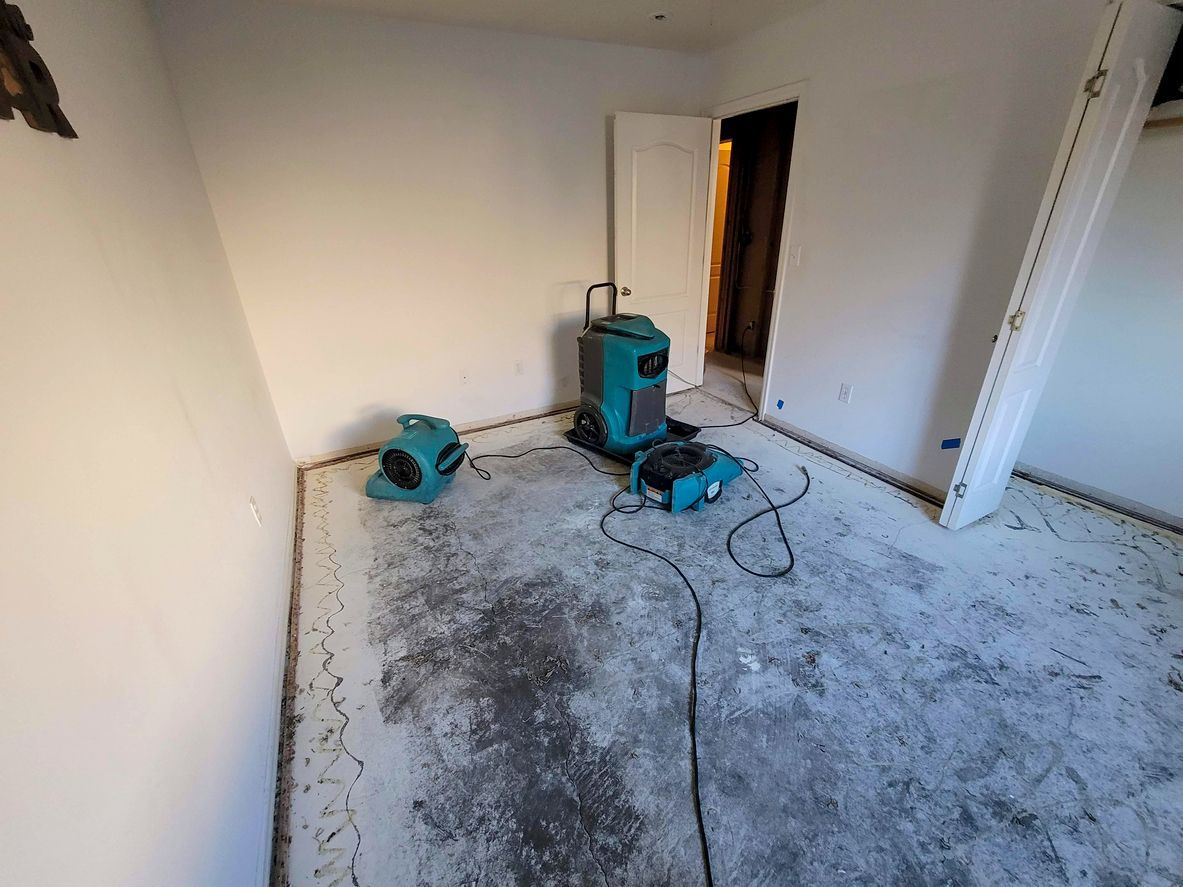
When you return to your home after a fire, you probably don’t see three inches of standing water everywhere. Instead, that water went somewhere. Some of it escaped the house, but much of it soaked into walls, furniture, and other contents. Getting all this water out before the house starts to grow
mold requires specialized tools and techniques.
Pressurized Infiltration
Finally, water damage from firewater is different because fire hoses are designed to deliver water at high pressures. Typical fire hose pressures range from 150 to 300 psi (pounds per square inch). For comparison, the water pressure in your pipes is typically 40 to 80 psi. This means that fire hoses are driving water into the house at a high pressure, which can cause it to penetrate materials in ways that it wouldn’t otherwise flow. The water can travel up walls and into the ceiling, leading to water damage in unexpected places.
After a fire, it’s important to inspect the building thoroughly to detect all water damage.
HRS Restoration Can Help
If your home experienced a major fire that required the intervention of firefighters to extinguish, you may now be dealing with significant water damage as well as fire damage. You need the help of restoration experts to get your home back in good condition.
HRS Restoration is the leading restoration company in the Denver area. We have more than 50 years of experience providing restoration services. We know that fires can happen at any time of day or night, and that’s why we offer 24/7 emergency response services. Our team will arrive quickly, and they’re ready to begin work right away. We can handle every aspect of the water and fire damage restoration process, from initial safety inspections to the last finishing touches. This includes demolition, board-up and restoration of damaged contents when possible.
At HRS, we use the most advanced equipment and techniques consistent with the industry’s best practices. We will also work with your insurance company to make your claims process quick and easy. Because we work with insurance every day, we understand their requirements for filing claims. Our team will thoroughly document the damage and repairs to ensure your claim will never be delayed or diminished by a lack of documentation.
HRS Restoration is a subsidiary of
Haselden Construction, a third-generation, family-owned company serving the Denver area. This affiliation with Haselden makes it possible for our team to perform all services in-house, which provides you with faster turnaround times and more competitive pricing. You’ll experience a more streamlined restoration process that always adheres to Haselden’s high standards for quality workmanship.
To learn how HRS can help you get your home back in shape after a fire, please
contact us now. We serve homeowners in Denver and the surrounding areas.
Frequently Asked Questions About Water Damage Restoration After a Fire
Does firefighting water cause damage to your home?
Yes. The water used to extinguish a house fire can cause significant damage of its own. Fire hoses deliver water at pressures two to four times higher than standard household plumbing, which drives water deep into walls, ceilings and flooring. A single firefighting response can introduce thousands of gallons of water into a structure, saturating materials throughout the home.
What is firewater and why is it dangerous?
Firewater is the term for water that has been used to fight a fire. In the process of extinguishing the fire, the water absorbs chemicals from burning materials, household products and fire suppression agents. The resulting mixture can be toxic on contact with skin or eyes, and it can release hazardous fumes. Any surface the firewater touches may retain chemical residue even after the water itself has dried.
Is it safe to enter your home after a fire to assess water damage?
Not without a professional safety inspection first. Fire damage can weaken walls, floors and ceilings in ways that aren't visually obvious, creating structural hazards for anyone entering the building. Water damage compounds those risks by further weakening structural components. A professional inspection should be completed before any restoration work begins.
How far can water travel through a home during firefighting efforts?
Because fire hoses deliver water at high pressure, water can travel well beyond the area where it was applied. It can be driven up walls, into ceiling cavities and through floor assemblies into lower levels of the home. This means water damage after a fire frequently appears in areas that had no direct contact with flames or hoses, making a thorough inspection of the entire structure necessary.
How quickly does mold develop after fire-related water damage?
Mold can begin growing within 24 to 48 hours of water exposure. Given the volume of water introduced during firefighting and the difficulty of drying saturated materials quickly, post-fire water damage creates conditions where mold can establish rapidly. Professional water damage restoration equipment is necessary to extract and dry that volume of water before mold growth begins.