Why Healthcare Facilities Have a 24- to 48-Hour Window to Prevent Mold Growth After Water Damage
Water damage in your healthcare facility requires immediate action to protect the health and safety of your patients. Mold spores are present in virtually every indoor environment. Under the right conditions, they can begin germinating within 24 hours of a water damage event and form visible colonies within 48 hours. Patients with compromised immune systems have limited tolerance for mold exposure, so the threshold for acceptable risk in a healthcare setting is lower than in almost any other building type.
Once you experience mold growth, the remediation process will also become more complicated and expensive since materials that have been affected by mold often require removal and replacement rather than drying and restoration.
How Mold Grows After Water Damage
Mold growth after water damage follows a predictable sequence. Spores require only three conditions to begin germinating:
· A moisture source
· Surface temperatures in the range most healthcare environments already maintain
· Organic materials to feed on
In the first 24 hours, spores that have settled on wet surfaces begin to germinate. The growth isn't visible at this stage, but the biological process is already underway. Porous materials like drywall, ceiling tiles and insulation absorb moisture quickly and retain it in ways that accelerate mold growth. The longer those materials stay wet, the deeper moisture penetrates and the harder it becomes to stop the process before colonization begins.
Between 24 and 48 hours, germinated spores develop into hyphae, the thread-like structures that spread mold across and into surfaces. By the time colonies become visible as discoloration or texture changes on a surface, the organism has already established itself beneath that surface. Drying the area at that point is no longer sufficient. Affected materials typically require removal and replacement, which expands the scope of work, increases cost and extends the disruption to your facility.
That progression from invisible germination to visible colonization is completed within 48 hours, making water damage an emergency that requires immediate response from a professional restoration company.
Why Healthcare Facilities Face a Higher Mold Risk
Several characteristics that are specific to how healthcare facilities are designed and operated create conditions that make mold growth harder to prevent and harder to contain.
HVAC Systems Can Spread Contamination Beyond the Damage Zone
Healthcare facilities rely on complex, high-capacity HVAC systems to maintain air quality and pressure differentials across different zones. After a water damage event, those same systems can expedite mold growth. If spores become airborne near an air intake or in a space served by a shared air handler, the system can distribute them to areas of the building that had no direct contact with water. This means the contamination footprint can extend well beyond the visible damage zone before you've had a chance to assess the full scope of the problem.
Humidity-Controlled Environments Accelerate Growth
Many areas within a healthcare facility are maintained at elevated humidity levels to support patient comfort, protect sensitive equipment or meet regulatory requirements. Those conditions are favorable for mold. In spaces where humidity is already being actively maintained, even a moderate elevation in moisture levels from water damage can push conditions past the threshold where mold germination accelerates rapidly.
Porous Materials Are Present Throughout Patient Care Areas
The materials used throughout healthcare facilities give mold a significant number of surfaces to colonize. Drywall, ceiling tiles, insulation, upholstered furniture and textile wall coverings are all highly porous and absorb moisture quickly. In a water damage event that affects patient care areas, the volume of material at risk can be substantial, and assessing the full extent of moisture penetration across all of these materials requires systematic moisture mapping rather than a visual inspection alone.
Large Facility Footprints Make Full Assessment Difficult
Healthcare facilities are large, complex buildings with multiple floors, wings and mechanical systems. After a water damage event, identifying every affected area within the 24- to 48-hour window is a significant logistical challenge. Moisture can travel through wall cavities, under flooring and through the building’s structural elements in ways that aren't immediately visible. Without a rapid and thorough assessment, affected areas can go undetected until mold growth is already underway.
The Consequences of Mold Growth in Healthcare Facilities
Mold growth in a healthcare facility creates consequences that impact patient safety, regulatory compliance, day-to-day operations and remediation cost. Each of these areas carries its own set of risks, and a single water damage event that isn't addressed quickly can trigger problems across all of them simultaneously.
Immunocompromised Patients Face Serious Health Risks
Mold exposure is a health concern in any occupied building, but the patient population in a healthcare facility changes the severity of that risk significantly. Patients with compromised immune systems are vulnerable to fungal infections that healthy individuals would typically resist, and in some cases those infections can be life-threatening. For that reason, the standard for acceptable air quality in a healthcare facility is considerably stricter than in other building types, and mold growth in any patient care area requires immediate action.
Mold Growth Can Trigger Regulatory and Accreditation Consequences
Healthcare facilities operate under infection control standards set by agencies including The Joint Commission and the Centers for Medicare and Medicaid Services. Mold growth in patient care areas can constitute an infection control breach that triggers survey findings, corrective action requirements or, in serious cases, conditions that affect accreditation status. Documenting a rapid, professional response to water damage is part of demonstrating that your facility maintains the infection control environment those standards require.
Disruption to Your Operations Can Extend Well Beyond the Damage Zone
Mold remediation in an active healthcare facility is not a straightforward project. Affected areas require containment to prevent cross-contamination, which can mean closing patient rooms, corridors or entire units depending on the location and extent of the growth. Relocating patients, rerouting staff workflows and maintaining care continuity during remediation adds complexity to your operations that compounds the cost of the event. The earlier remediation begins, the smaller the containment zone typically needs to be.
Delayed Response Significantly Increases Remediation Cost
Water damage that is addressed within the 24- to 48-hour window can often be resolved through drying and restoration of affected materials. Once mold colonization occurs, those same materials require removal and replacement. In a healthcare facility, that work must also meet infection control requirements, which adds labor, specialized containment procedures and disposal protocols to the project scope. The cost difference between an early-stage water damage response and a full mold remediation in a healthcare setting can be substantial.
What to Expect from a Professional Water Damage Restoration Response
When water damage occurs in your healthcare facility, the actions taken in the first 48 hours play a critical role in containing the damage and minimizing the risk of an extensive mold problem that can impact the health and safety of your patients. Working with a qualified commercial restoration company who has experience working in healthcare settings will ensure you implement a structured response protocol that follows industry best practices and adheres to all regulations governing water damage remediation in healthcare environments.
Prioritize Containment
Before any drying or restoration work begins, the affected area needs to be isolated to prevent cross-contamination. This involves establishing physical containment barriers, and adjusting or isolating HVAC systems serving the affected zone to prevent the distribution of mold spores through ductwork. The scope of containment should be determined by the extent of the water intrusion, not just the visible damage.
Use Moisture Mapping to Identify the Full Extent of the Problem
A visual inspection alone is not sufficient to assess water damage in a healthcare facility. Qualified restoration professionals use moisture meters and thermal imaging to identify where water has traveled through wall cavities, under flooring and into the building’s structural elements. This step is critical because materials that appear dry on the surface can retain enough moisture to support mold growth. A thorough moisture map also creates a baseline for measuring progress throughout the drying process.
Structural Drying Must Be Systematic and Monitored
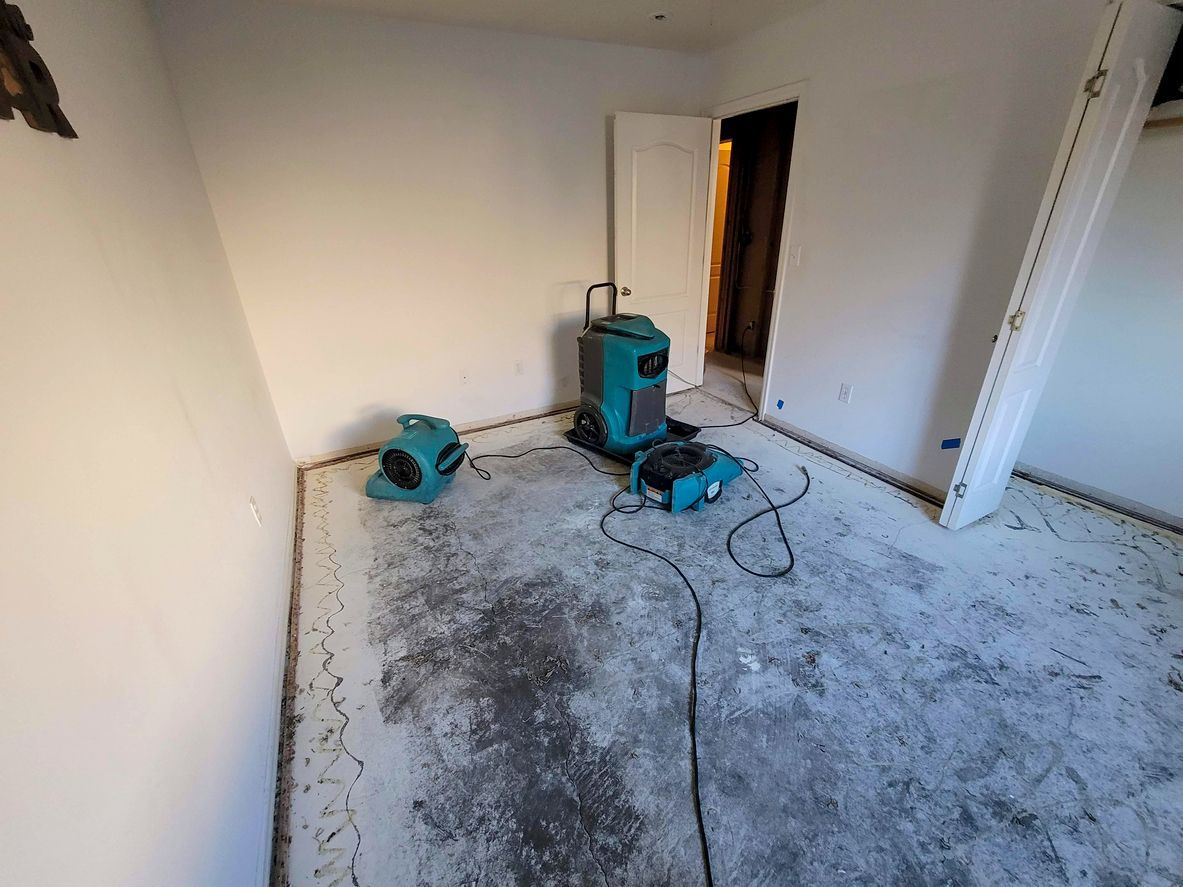
Industrial drying equipment such as air movers, dehumidifiers and desiccant systems must be deployed quickly and positioned based on the moisture map findings. Drying progress should be monitored and documented at regular intervals so that equipment placement can be adjusted as conditions change. Materials that cannot be dried within the critical window should be identified early and scheduled for removal before mold growth begins.
Document the Process to Protect Your Facility
A professional restoration response generates a documented record of every step taken, including:
· Moisture readings at intake
· Drying logs throughout the process
· Containment protocols implemented
· Decisions made regarding material removal
This documentation serves multiple purposes in a healthcare setting. It supports your infection control reporting obligations, provides evidence of a professional response if accreditation or regulatory questions arise, and creates a clear record for insurance purposes.
HRS Restoration Can Help
If you experience a water damage event at your healthcare facility, HRS Restoration can ensure the process is handled correctly and your facility complies with all regulatory guidelines. We have over 50 years of experience performing water damage restoration in healthcare environments, and we understand the unique issues that must be addressed to protect the health and safety of your most immunocompromised patients.
Our team members are both IICRC-certified and ICRA-certified for water damage as well as infection control standards in the healthcare industry. In addition, our infection control and outbreak mitigation protocol has been developed according to industry best practices and complies with all CDC guidelines.
We offer 24/7 emergency response water damage services, and we have a guaranteed two-hour response time for the Denver metro area. This rapid response will help ensure the water damage is properly contained before mold begins to grow.
HRS Restoration is a subsidiary of Haselden Construction, a third-generation, family-owned Colorado company serving the Denver area for over 50 years. This affiliation provides us with a wide range of capabilities that many other restoration companies in the area lack. We’re able to perform all services in-house, providing you with more competitive pricing, faster turnaround times and the exceptional quality work Haselden has become known for.
Contact us today or call 303-495-2977 for emergency response water damage restoration assistance. HRS Restoration serves healthcare facilities in Denver and throughout the Front Range.
Frequently Asked Questions About Mold Growth After Water Damage in Healthcare Facilities
How quickly can mold grow after water damage in a hospital or healthcare facility?
Mold can begin germinating within 24 hours of a water damage event and form visible colonies within 48 hours. In healthcare facilities, complex HVAC systems and humidity-controlled environments can accelerate that timeline, which is why professional remediation needs to begin as quickly as possible after water damage is identified.
What makes mold remediation in a healthcare facility different from other buildings?
Healthcare facilities have stricter air quality and infection control requirements than most other building types, and the patient population includes individuals who are highly vulnerable to fungal infections. Remediation work must be performed under containment conditions that prevent cross-contamination, and the process needs to be documented to satisfy infection control reporting obligations and accreditation standards.
Can mold grow inside walls after water damage?
Yes. Moisture travels through wall cavities, under flooring and into the building’s structural elements quickly after a water damage event. Mold can establish itself inside walls before any visible signs appear on the surface. Professional moisture mapping using thermal imaging and moisture meters is the only reliable way to identify the full extent of moisture intrusion.
What happens if water damage in a healthcare facility isn't addressed within 48 hours?
Once mold colonization is established, affected materials typically require removal and replacement rather than drying and restoration. In a healthcare facility, that work must meet infection control requirements, which adds specialized containment procedures, labor and disposal protocols to the project scope. The cost and disruption associated with a full mold remediation are significantly greater than an early-stage water damage response.
How do I know if my facility needs mold remediation after water damage?
If water damage has not been professionally assessed and dried within 48 hours, mold growth should be assumed in affected areas until moisture mapping and air quality testing confirm otherwise. Visible discoloration or surface texture changes on walls, ceilings or flooring are signs that colonization has already begun, but the absence of visible mold does not mean the area is clear.