
What Causes Sewage Backups in Basements and How to Prevent Them
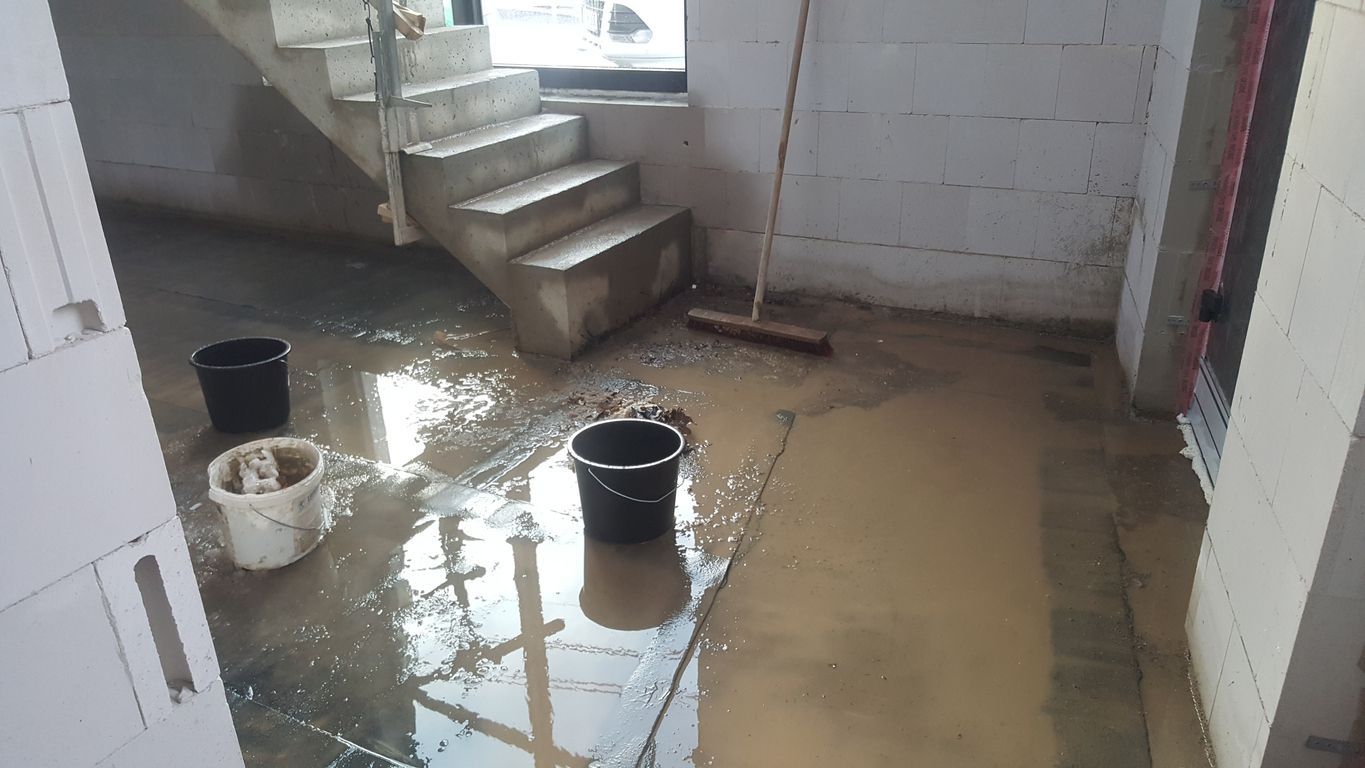
When sewage backs up into a basement, the contamination involved often requires professional sewage cleanup services to safely remove hazardous waste and restore sanitary conditions. If you have a sewage backup in your basement, there is an immediate risk to your health and safety. Shut off power and gas to the affected area before entering to do any cleanup.
Dress in personal protective equipment including goggles, a mask, boots, gloves, and waterproof clothing. Next, prevent the sewage smell from spreading by closing doors and entryways to unaffected areas. Once you identify where the leak originated, use a shop vac, or turn on your sump pump to extract the sewage. Salvaging items in your basement is your next step. Identify all items that came into contact with the sewage and bag and remove them from the basement.
Remove the debris and sludge left behind from the sewage leak, and treat all surfaces with a mixture of bleach and water. The sewage water may be underneath your flooring so you will likely have to pull up the flooring to know if it is trapped under there.
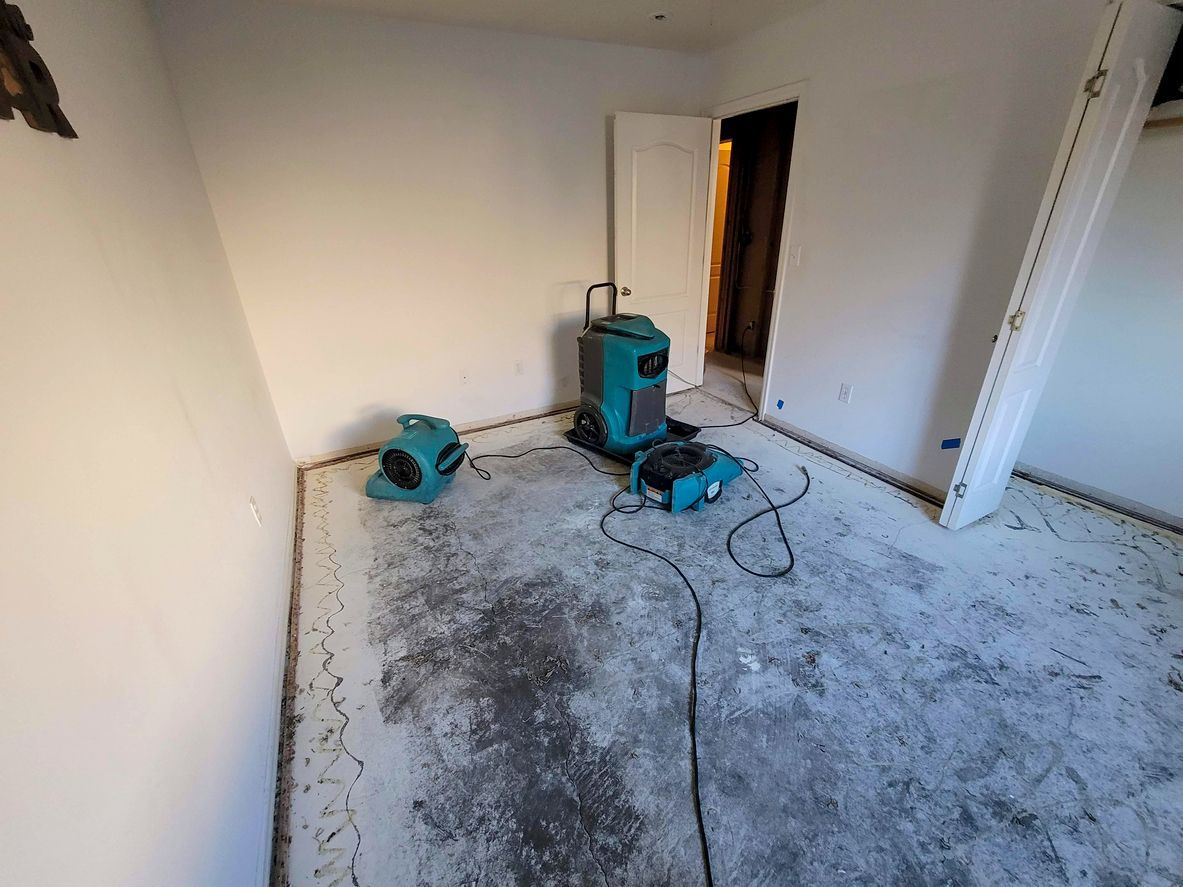
Continue to use a wet vac and scrub and rinse all surfaces. To dry out the area, use a dehumidifier, high-powered fans, and remember to open all windows. With any water incident there is the risk of mold and mildew growth. Note any areas where mold may already be taking hold. While it may be possible to clean up your basement after a limited sewage backup event, consider whether you will be able to complete all of the steps involved without any risk to your or your family’s safety. Sewage contains harmful microorganisms such as bacteria, viruses and protozoa. Direct contact with sewage, or surfaces contaminated by sewage, can result in illnesses such as gastroenteritis.
Instead of risking your health and safety, trust the professionals at HRS. We have been helping homeowners clean up sewage backups for two decades and have the experience and tools to get the job done right. Don’t forget to check your homeowner’s insurance policy to see if sewage backups are covered.
Our IICRC trained sewage backup experts use the latest technology to quickly and safely remove the sewage backup and any affected items. Our goal is to restore your basement to its pristine, pre-sewer backup state.
Call HRS Restoration Services ASAP at the first sign of a sewer backup!
Why Sewers Back Up
In your basement, sewage backup is most likely caused by four main factors.
Knowing these factors exist will allow you to identify the problem more rapidly, even if some are beyond your control. Generally, blockages occur when something is blocking your drains or toilets, resulting in a clog.
Older pipes may have rusted or have cracks in the joints, causing sewer line damage. It’s possible that tree roots have lodged themselves into the underground sewer line. Or there may be a backflow of water into your home if there is a bad storm and the drainage system cannot handle it.
It’s a good idea to not connect your downspouts and sump pumps to the sewer system. In fact, this could be dangerous during a heavy storm where large amounts of water flow through. Ensure that your downspouts and sump pumps are routed away from your house and that they are free flowing.
Sewage Exposure Dangers
To avoid sewage exposure, you should be aware of the risks you face when you clean sewage in your basement. A sewer backup contains contaminated water full of dangerous bacteria and diseases.
It is important to understand the risks associated with raw sewage cleanup in the basement. Limit your exposure to the following by contacting HRS.
Sewer Gas
Gases found in sewer systems include both toxic and nontoxic gases. Household and industrial waste decays in sewers, producing sewer gas. Hydrogen sulfide, ammonia, carbon dioxide, sulfur dioxide, and nitrous oxides are the most toxic components, but methane, carbon dioxide, sulfur dioxide, and nitrogen oxides can also be present.
Bacteria
Sewage backups can happen at any time. When dealing with sewage backups, don’t wait too long to deal with them. As the waste accumulates, bacteria, viruses, and parasites can breed, spread, and potentially cause illness. During a sewage backup, the waste might flow back into your home, so you should be extra careful about cleaning it up.
Mold
Basement sewage backups create ideal conditions for mold outbreaks. For people who are sensitive to mold spores, an infestation can be potentially hazardous. When exposed to mold, people can suffer from a variety of ailments. A person may experience long-term issues such as asthma, psychological issues, and joint pain. Mold toxicity depends on different factors including the exposure period, the area of the infestation, and the level of sensitivity of the person.
Structural Damage
A wet environment and its resulting mold can damage porous surfaces. You are at risk of having to replace the drywall in your basement in the near future if it was exposed to moisture or sewage backups. Structural defects on one of your load bearing walls could put the occupants of your home at risk.
What To Do If Your Sewer Backs Up In Basement
Before beginning your sewage cleanup, you have to take care of important details, such as making it clear that no one is to enter the affected area; especially anyone with medical issues and children. Open as many windows as possible, pre-treat the flooded areas with chlorine bleach (see below) and call your insurance company.
In the sewer water damage restoration process, all water and waste is extracted so work can begin on drying and cleaning to return the basement to its original state. To prevent mold and bacteria from growing, the restoration process needs to be conducted quickly.
Secure The Area
Make it very clear that no one is to enter the affected area. If you have children or pets, keep them away from raw sewage backup to prevent them from getting sick.
Separate contaminated areas from non-affected areas by closing doors. By doing so, the probability of tracking sewage debris and water throughout the house is reduced. Additionally, this step can prevent airborne contaminants from spreading.
Open Up Windows & Circulate The Air
You can circulate air in the basement by opening windows or vents if the raw sewage smell is overwhelming. The top of the stairs can also be equipped with fans to provide fresh air. To prevent yourself from getting sick from the smell, take frequent breaks from the basement to limit your exposure.
Treat Flooded Areas With Chlorine Bleach
Use a small amount of chlorine bleach to pre-treat the flood areas after you dry your basement. By doing so, you are creating a disinfectant barrier that stops the spread of sewage-borne bacteria.
Alternatively, you could wash everything contaminated by sewage with a mixture of bleach and water. You can use spray bottles to wash walls and large surfaces. Repeat the process again after the bleach has dried to ensure you’ve killed mold and bacteria.
Call Insurance Company
In case your policy covers sewage backup, explain the situation. Otherwise, inquire about your current water damage coverage. A homeowner’s policy covers damage caused by a sudden or accidental event. However, damage due to improper maintenance is not generally covered by your insurance. If you have items damaged by water or mold, note these for insurance purposes.
Depending on the steps you’ve taken to reduce the chances of flooding, your insurance may or may not cover water in your basement. Your insurance company must be contacted in case of a sewer backup since it is considered preventable with maintenance.
What To Do If You’re Exposed To Raw Sewage
When dealing with a sewer backup in your basement, there are several health risks you should be concerned with. , especially if you plan on resolving the issue yourself.
The simplest of jobs requires personal protective equipment. Make sure you wash your hands thoroughly, refrain from touching your eyes, mouth, nose and ears, and dispose of contaminated clothing. Remember to take a hot shower and call your physician if you experience any ill health effects after you have cleaned your sewage infested basement. Below we break down these safety protocols for you.
Wash Hands Thoroughly
Whenever you take a break and after every cleanup shift, scrub your hands thoroughly with an antibacterial soap. Don’t forget to scrub under your fingernails as well.
The risk of becoming ill from waterborne diseases increases when you don’t wash your hands.
Refrain From Touching Eyes, Mouth, Nose & Ears
Keep your gloves away from your face to prevent the spread of bacteria. If you must touch your mouth, eyes, nose or ears, do so only after removing your contaminated gloves. If you do not heed this advice, you run the risk of contracting salmonella and encephalitis.
Dispose Of Contaminated Clothing
At the end of each cleanup session, bag your work gear securely, store it in a safe place, and take a shower. Especially when it comes to laundry, avoid mixing contaminated clothes with regular ones.
Shower Immediately
Once you have disposed of contaminated clothing, make sure that you take a hot shower immediately and use plenty of antibacterial soap, washing yourself thoroughly.
Contact Doctor If Feeling Ill
During a cleanup, if you start to feel ill, contact your doctor. When you think your health is affected by exposure, consult your doctor. In addition to diphtheria and tetanus vaccinations, the doctor may recommend a visit to the nearest emergency room.
Beyond the sewage, the resulting mold may also be a health hazard. Mold colonies evolved to use mycotoxins to kill each other, but they also turn out to be harmful to humans.
When To Call A Professional
You may wonder who to call when basement floods happen. If your basement flood results in an outbreak of mold – call a professional. If your basement flooding involves sewage – call a professional. If the water damage in your basement has seeped into your walls and flooring, warping them beyond repair – call a professional. If the water in your basement has affected your electrical outlets – call a professional. A full service restoration company like HRS Restoration Services has expert team members for each of these issues.
HRS team members have the tools and training to perform water extraction and mitigation in Denver. Furthermore, we deal with the residual side effects of water damage and offer mold restoration in Denver.
The post How To Cleanup Sewage Backup In Basement appeared first on HRS Restoration.