How Long Does It Take to Dry Off a Basement After a Flood?

June 26, 2020

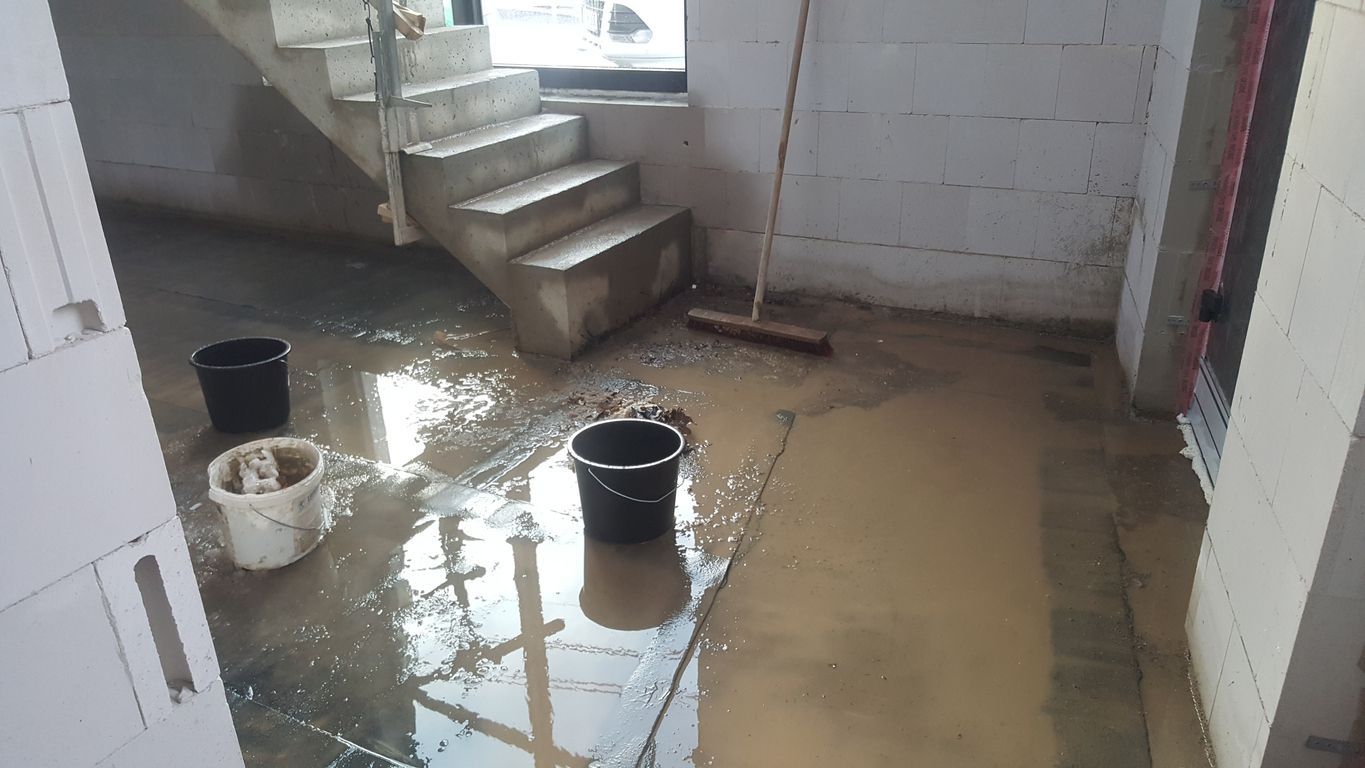
For a basement to dry off naturally after a flood, it usually takes days if not weeks. This is typically unacceptable, because all the water and moisture staying in contact with your furniture and surfaces will cause a great deal of mold which can be hazardous to your health.


If you want to expedite the process, the rule of thumb to follow is to deal with the moisture within 48 hours of the flood, in order to prevent mold from forming. Although this is a difficult task, it can be done, provided that you have the right tools and equipment on hand. What you’ll need is a good pump to pump out any standing water, towels for the preliminary drying process, a reliable dehumidifying and a couple of strong fans. It’s also a good idea to open all doors and windows early and look for any mold that has already formed.


Also, make sure you have enough towels available to clean the walls as well as the floors, especially if you live in a warmer area where condensation can lead to a lot of the moisture making it to your walls. With this approach, if your fans are strong enough to circulate the air in your basement faster, you’ll find that your basement will be dry within a day and a half or so, and you can effectively prevent any mold from building up even in areas that would typically be quite problematic. Some of the best results will be from water damage restoration experts.


exterior of a hospital that has suffered smoke and soot damage
By Andrew Martin June 2, 2026
Smoke and soot damage threatens medical equipment, air quality, and compliance. Learn what proper remediation requires for healthcare facilities.
apartment building suffering water damage from a flood
By Andrew Martin June 1, 2026
Learn how to create a water damage response plan for your apartment building. Covers emergency contacts, shut-off maps, staff training and more.
fire damage in an apartment builing
By Andrew Martin June 1, 2026
After a building fire, property managers face urgent steps. Learn how to document damage, file insurance claims, house residents, and start restoration fast.
hospital biohazard cleanup crew at work
By Andrew Martin May 5, 2026
Discover when hospitals need professional biohazard cleanup, key OSHA compliance steps, and why certified technicians protect your staff, patients, and facility.
animated image of a hospital with water damage from a flood
By Andrew Martin May 5, 2026
Learn how hospitals should respond to water damage with proper infection control, contamination assessment, and restoration steps that protect patients and staff.
two men manufacturing meth in an apartment
By Andrew Martin May 5, 2026
Learn the warning signs of meth production in apartments, the immediate steps landlords must take, and why professional decontamination is essential in Colorado.
water stains on an apartment ceiling after water damage
By Andrew Martin April 2, 2026
Water stains on apartment ceilings signal hidden water damage that can spread fast. Learn the causes, steps to take, and why fast response protects your building.
smoke damage in an apartment building after a fire
By Andrew Martin April 2, 2026
Smoke odor in your apartment building? Learn the step-by-step removal process — from soot cleanup to HVAC cleaning — to restore safe air quality fast.
hospital operating room that has sustained severe flooding
By Andrew Martin April 2, 2026
Water damage in healthcare facilities is a clinical emergency. Learn response protocols that protect patients, control infection, and maintain compliance.
By HRS October 19, 2025
Learn the crucial steps to take if your Denver basement floods, from safety precautions to water removal to preventing mold. 24/7 emergency water damage restoration help from HRS.
Show More