How Long Does It Take To Dry Out Water Damage?

HRS Restoration Services • February 1, 2025

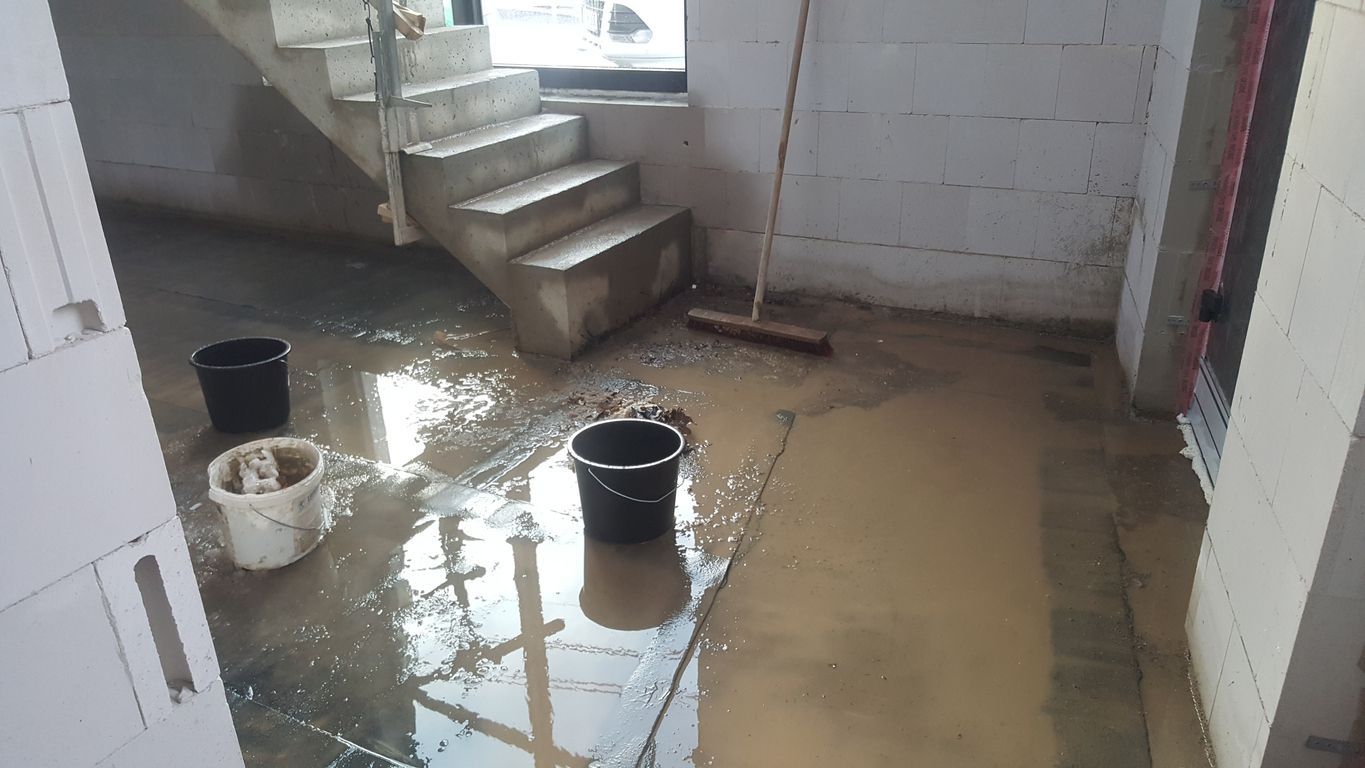
When water damage happens, homeowners are often left wondering how long it takes to dry out a house after flooding. The answer to this question is, "it depends."

Drying out a home after water damage depends on several factors including the extent of the water intrusion, the size of the area affected, and the equipment used to help the drying process.

Left standing, water, and moisture can encourage mold growth in dark, wet, and warm areas. This leads to an increased chance that your property could become unhealthy for those living in it. Removing moisture quickly and efficiently is the best way to ensure the safety of those who use your space.

As certified water mitigation and remediation specialists in Denver, HRS technicians are professionals at speeding the drying process. This leaves your property healthier and cleaner than when moisture is allowed to remain after a water intrusion.

Using the latest technology available to assess the water damage, remove standing water, and discover and dry remaining moisture, HRS's team ensures that a property is ready for restoration quickly, but more importantly, safely.

Searching online for tips on how to dry out water damage is one of the first acts of many who discover a water breach in their home. On the pages of Google, they find advice on stopping the leak and removing standing water.

Unfortunately, what many of the techniques detailed online fail to do is remove the deep-seated water penetration that, when missed, can lead to mold and bacteria growth — and potential health risks. Removal of standing water and drying the obvious dampness is a good first step in cleaning up after a water emergency.

Once the standing water that is visible to the naked eye is gone, there is a need to remove all moisture in a space, using a professional water mitigation expert, like the certified and licensed HRS team, can ensure that a property is able to return fully to its pre-leak condition.

Stop The Leak 

Identifying the source of the leak and stopping it is the first step in the water and mold mitigation process.

At HRS, our certified specialists quickly assess the situation as soon as they enter a space being affected by a water breach. This allows them to not only understand the damage that has occurred but identify the source of the breach and stop any water flow. This important first step gets your property on the track to a fully restored state.

Remove The Water

After the breach has been cured and water is no longer flowing into a space, certified water mitigation experts begin the process of removing the water.

For HRS, this means employing high-powered truck-mounted extraction systems that remove not only standing water but the water that is hidden in areas such as deep carpet or insulation.

Thermal cameras offer an even deeper view of the moisture that remains after initial water has been removed. To ensure that a property is able to fully dry and prepared for restoration, high-intensity air dryers and humidifiers are used by our professional water mitigation team.

Remove Furniture, Appliances, Etc.

Within minutes of the start of a water breach in your home, moisture-sensitive furniture and personal items can begin to swell and disfigure. Papers, books, and even wooden furniture can soon become so damaged that they are unrepairable in a short time.

To avoid this type of damage, it is important to remove all furniture, appliances, and personal items from the affected space as quickly as possible.

Water mitigation experts, such as the IICRC certified specialists at HRS, know the time pressure that personal items face when exposed to water. Removing all affected personal property allows for cleaning, disinfecting, and repairing.

Dry Out The Area

After the water breach has been stopped, the standing water removed and all affected personal property removed from the space, the work of fully drying your property begins.

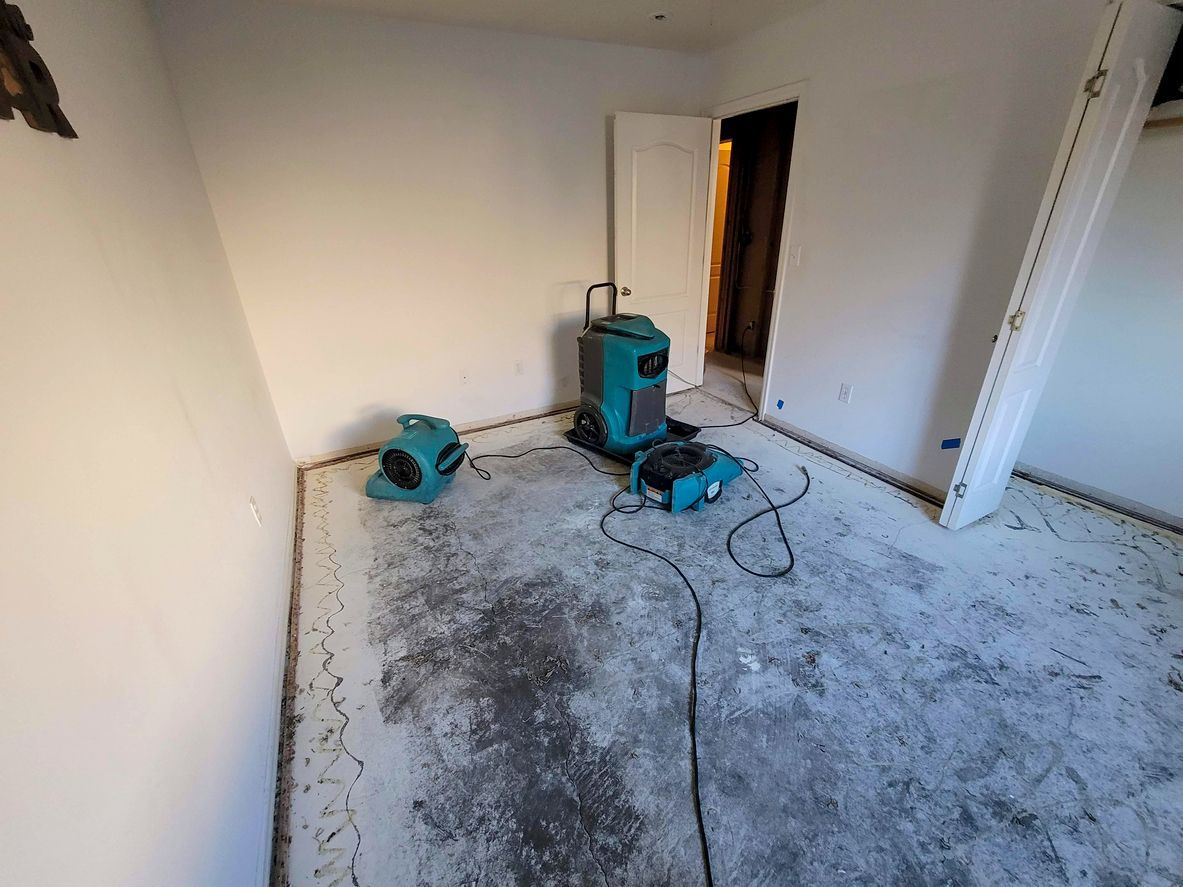
To dry out your property we use Air Movers, dehumidifiers, air scrubbers, and large fans. Our water mitigation professionals use thermal cameras to find remaining moisture and dry it.

This helps to protect your property from the dangers of mold beginning to grow, something can affect the health of those who live in the space.

Damage Evaluation & Mitigation

Assessing the damage to a property is one of the first steps taken by HRS's skilled mitigation technicians. This allows them to determine exactly how long it will take to dry out water damage, and which, if any, personal items can be restored.

Mitigation efforts include removal, disinfection, and drying all elements of a space in preparation for the restoration process.

Water Damage Restoration

Water damage restoration happens after the affected space has been cleaned and dried.

Once that work is complete, our licensed water damage restoration contractors are able to begin the process of returning a property to its pre-affected state. This includes repair of interior and exterior spaces, including structural, electric, plumbing damage.

Working with your insurance company, our team is able to repair any personal items that are salvageable after a flooding event.

Safety Tips For Drying Out House

Cleaning, disinfecting, and drying out your home after a flood takes time, adherence to safety measures, and dedication to removing any moisture that remains.

Following safety guidelines will help ensure that if you decide to clean and dry your home, you will have the lowest chance of illness as a result of coming into contact with water-damaged property and mold.

Act Quickly

Soon after the discovery of a water breach on your property, it is essential that you determine the location and cause of the leak and stop the water flow.

This action allows you to begin the cleanup process without the worry of additional damage being done by new water coming into the space. Quick action can also help control the spread of mold which can begin to grow just 24-48 hours after a water leak.

Wear Protective Clothing

Mold and bacteria can hide on surfaces and in the chemicals in cleaning supplies you use to clean up after water damage has happened on your property. To shield yourself from the dangers of these hazards, it is advisable that you cover your eyes and body. To protect yourself, it is important to wear pants, long sleeves, boots, and rubber gloves.

Buy goggles and an N-95 mask at the hardware store and use them when working in flooded areas or cleaning mold to protect your eye, nose, and lungs.

Avoid Carpet

Carpet is one of the materials that can become severely damaged as a result of a water breach. As a fiber product, water can cause it to swell and its dense fibers are a perfect place for mold to grow.

If you are unable to completely dry materials like carpet, it is best that they are thrown away rather than risk illness that can come when mold is able to thrive in moist areas.

Be Mindful Of Electricity

Water and electricity are a dangerous combination that, if allowed to come together, can end in injury or even death.

The risk of electrocution becomes heightened in areas of a property where standing water may rest near outlets, wiring, junction boxes, and plugged in personal items that have suffered damage as a result of a water breach.

Caution is key when water and electricity are evident in a space. For such cases, professional help may be required as certified water mitigation technicians have the training and tool needed to safely secure and dry a water-damaged property.

Why Choose HRS Restoration Services? 

At HRS we know that the uncertainty of how long water damage restoration and mitigation takes can lead to stress for homeowners. That's why we certify and license our technicians and contractors, and respond quickly to every call.

When you contact us to clean and dry your home, you can trust that our years of experience and standard of care will be there as we bring your home back to its pre-damaged state.

Related Services:

Need help drying out water damage? Call HRS Restoration Services at 303-241-7849 for 24/7 emergency service in Denver and throughout Colorado.

By HRS October 19, 2025
Learn the crucial steps to take if your Denver basement floods, from safety precautions to water removal to preventing mold. 24/7 emergency water damage restoration help from HRS.
By Travis May 28, 2025
When those dark clouds roll in and hail starts pounding your property, the damage isn’t always immediately visible from the ground. Many property owners make the critical mistake of assuming their roof survived unscathed simply because they don’t see obvious signs of damage. At HRS Restoration Services, we’ve seen countless cases where hidden hail damage […] The post Do I Need a Roof Inspection After a Hailstorm? (Yes – Here’s Why) appeared first on HRS Restoration.
HRS Restoration Services team in hazmat suits during biohazard cleanup in Colorado
By Travis May 19, 2025
The Critical Nature of Biohazard Cleanup When disaster strikes in the form of a biohazard situation, most people’s first instinct is to call for help and then step away. And rightfully so—biohazard scenes contain potentially dangerous biological materials that require specialized handling. Whether it’s the aftermath of a traumatic event, an unattended death, sewage backup, […] The post What Happens During a Biohazard Cleanup? Behind the Scenes with HRS appeared first on HRS Restoration.
By Travis May 5, 2025
Purchasing a new home or renting a property should be an exciting milestone, not the beginning of a health nightmare. Yet for an alarming number of Americans, moving into a property with a hidden history of methamphetamine production leads to precisely that. At HRS Restoration Services, we’ve seen firsthand the devastating impact that undetected meth […] The post The Hidden Dangers of Living in a Former Meth Lab appeared first on HRS Restoration.
By Travis April 22, 2025
The Calm Before the Mold – What Happens in the First 24 Hours When water damage hits—whether from a burst pipe, roof leak, or snowmelt runoff—it’s what you don’t see that becomes the most dangerous. In the first 24 hours, things may seem manageable. The floor’s a little wet, there’s a musty smell, but no […] The post What Water Damage Really Looks Like 72 Hours Later: A Timeline of Hidden Costs appeared first on HRS Restoration.
HRS Restoration Services team enjoying office grilling event in Denver, Colorado community
By Travis April 10, 2025
Introduction – The Stakes of Disaster Preparedness Picture this: It’s a chill Tuesday night, popcorn’s popping, and then—bam—your basement’s auditioning for the next big water park. Or maybe a wildfire’s turned your office into a smoky BBQ joint, minus the tasty ribs. Disasters don’t send invites, and FEMA’s dropping truth bombs: 40-60% of small businesses […] The post The Ultimate Guide to Disaster Recovery: Protecting Your Home or Business Before, During, and After a Crisis appeared first on HRS Restoration.
Yellow diamond-shaped sign with
By Tech March 16, 2025
Sewage in a basement can cause several problems, including mold growths, bacteria, and more. Learn how to clean up sewage at HRS Restoration Services.
By Tech March 14, 2025
Several factors can lead to sewage backing up in your basement. It is frequently the case that the main sewage drain line has a problem. Thus, the sewage backs up into the basement. It is advisable not to flush wet wipes, paper towels, or feminine products down the toilet. Basement drains might also be blocked, […] The post Keeping Your Basement Floor Drain From Backing Up! appeared first on HRS Restoration.
Mold growth on interior wall showing health risks and need for remediation in Denver homes
By Tech March 12, 2025
Mold can produce several common symptoms, including skin rashes, sore throat, wheezing, and other issues. Visit HRS to learn about mold exposure symptoms.
Ice-covered plant stem, with clear icicles hanging. Blue-green stem against a blurred snow background.
By Tech March 9, 2025
Depending on the weather, it can take as little as 30 mins, or as long as several weeks for frozen pipes to unfreeze and thaw. Learn more at HRS.
Show More