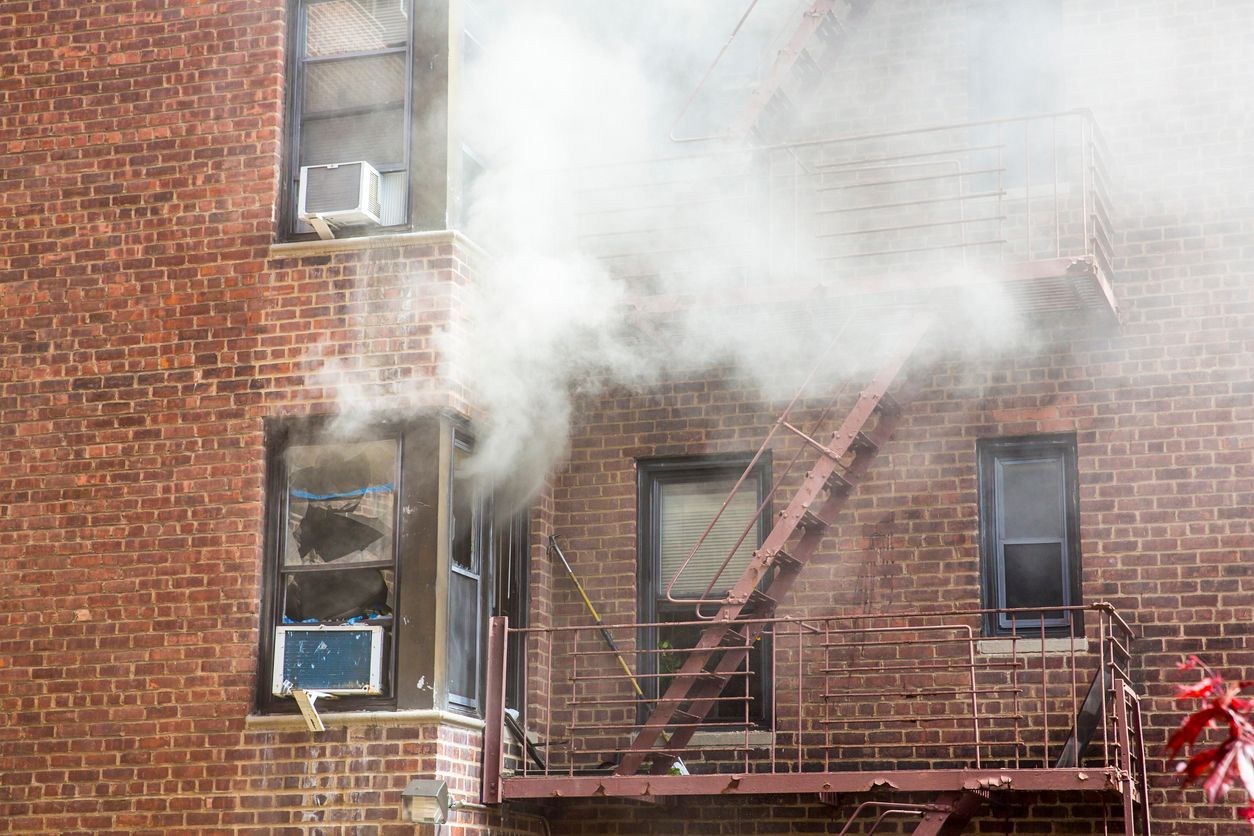
A fire in your apartment building creates immediate challenges that must be navigated properly to ensure residents are safe, damage is documented properly, insurance claims are submitted correctly and repairs are handled in a way that restores the building to its pre-damaged state. While the aftermath of a fire can be overwhelming, there are certain steps that should always be followed to ensure the process is handled properly. Knowing what to do in these situations will help protect the health and safety of your residents, and it will allow you to restore livable conditions at your multifamily apartment building as quickly as possible.
Prioritize Safety as Part of Your Initial Response
The top priority after a fire occurs in your multifamily apartment building is to ensure all residents are safe. Contact all residents immediately to inform them of your evacuation procedures, confirm they are safe, and make sure they understand not to re-enter the building until the fire department declares it’s safe to do so. After you’ve cleared the building, contact the fire department and other emergency responders to assist at the scene.
If the fire department has shut off the building’s water, electricity or gas as part of their response, do not turn them back on yourself. Wait for the fire department to declare these utilities are safe to turn back on and then work with a qualified professional to ensure they’re restored properly.
While you’re waiting for the building to be restored, you’ll need to implement security measures to prevent unauthorized entry or any looting of valuables left behind by residents. Cordon off any areas impacted by
fire damage to prevent access. This will not only help prevent looting, but it will also reduce the risk of injury to residents and other staff working on the property to clean up after the fire.
Document All Damage
Once the fire department declares it safe to re-enter the building, you’ll need to inspect the property to determine the extent of the fire damage. As part of this process, make sure to document all signs of damage as accurately as possible:
- Take photos and videos of all visible damage inside and outside the building
- Jot down detailed notes of all damage to supplement the images you gather
- Request the fire department’s report so that you have an official record of the incident, including where and how the fire started, the extent of the damage, and all actions taken in response
- Gather records of all communications with the fire department and notices to residents
This documentation will be important once you’re ready to file an insurance claim.
Contact the Insurance Company
Contact the building’s insurance company as soon as possible to begin the process of filing a claim. Provide them with all the details of the fire, including the cause of the fire (if it’s known) and the extent of the damage. Follow all instructions from your insurance carrier regarding how to provide them with the documentation you’ve put together, and request that they send an adjuster to the building to assess the damage.
If you don’t have a pre-existing relationship with a commercial restoration company, ask your insurance company for recommendations of commercial fire damage restoration companies you can call to request an estimate for repairs. Keep in mind that while your insurance company may provide recommendations, you’re not obligated to use one of their preferred restoration companies. Always choose a contractor based on quality and fit, not your insurance company’s preference.
Notify Your Local Building and Code Enforcement Department
After a fire, most jurisdictions require a formal inspection by local building or code enforcement officials before residents can legally re-occupy the building. Contact your local building department as soon as possible to report the fire and schedule this inspection. Do not allow residents to return to any part of the building until both the fire department and your local building authority have cleared it for re-occupancy.
Keep a record of all communications with the building department, including inspection reports and any notices of violation or required repairs, as this documentation may be needed by your insurance company and restoration contractor.
Arrange for Temporary Housing for Your Residents
In many instances, it will take time for a multifamily apartment building to be made habitable again after fire damage. Your residents will need to find a place to stay while all fire damage restoration work is completed, and you will likely need to help them secure their temporary housing.
Before taking any other steps, check your local regulations regarding required written notice to residents following a displacement event. Many jurisdictions require property managers to notify residents in writing within a specific timeframe after a fire forces them out of their homes. Failing to meet these deadlines can expose you to legal liability, so consult with your building's attorney or local housing authority to understand what is required in your area before communicating with residents.
You should also check with your insurance company to see if your policy includes coverage for temporary housing after a fire, and how much of these housing expenses are covered under the terms of your policy. If you don’t have coverage for temporary housing, you will still need to help your residents find a place to stay. In these situations, you’ll have to negotiate with your residents regarding who will be responsible for these costs.
In addition, review your resident lease agreements as well as all local regulations regarding rent abatement, lease termination, and the return of security deposits and prepaid rent before negotiating with residents. Understanding what your leases and local ordinances require will ensure you handle the process properly.
After you’ve gathered all this information, communicate with all residents to explain what is known about the fire, what areas of the building are unsafe, the estimated timeline for repairs, and how long it will take before the building is habitable again. Make sure to inform all residents of their rights regarding lease termination, refunds on security deposits and prepaid rent, and what assistance you’ll provide with temporary housing.
If one of your residents caused the fire, you should consult with your building’s attorney to determine how liability will be handled and whether they will still be responsible for paying rent while repairs are made.
Contact a Commercial Fire Damage Restoration Company
It’s important to contact an experienced commercial fire damage restoration company as quickly as possible to begin repairs and restoration work. Emergency repairs will need to be made to board up exposed areas and minimize structural damage to the building. While making emergency repairs, your fire damage restoration company will also assess the building to determine the extent of the damage and provide you with an estimate for all repairs and restoration work that is needed. As part of this estimate, your restoration company should provide you with a timeline so that you can inform residents how long they should expect the process to take.
HRS Restoration Can Help
If your multifamily apartment building has experienced fire damage,
HRS Restoration can help. We’ve been Denver’s leading
commercial restoration company for over 50 years, and we have extensive experience assisting multifamily apartment buildings that have sustained fire damage. We offer 24/7 emergency response services and will arrive at your building shortly after receiving your call to begin work.
All our technicians are IICRC certified, and we use the latest techniques and technology to ensure the fire damage restoration process is completed properly. This includes:
- Thermal imaging to detect heat damage
- HEPA air scrubbers and filtration systems to eliminate smoke odors
- Chemical sponges to absorb loose, dry soot and smoke particles from drywall, upholstery and other surfaces
- Advanced odor mitigation protocols to eliminate smoke residues from walls, ceilings and HVAC systems
HRS is a subsidiary of
Haselden Construction, a family-owned, third-generation company serving the Denver area. Our affiliation with Haselden allows us to keep all work in-house for a more streamlined process, faster turnaround times and highly competitive pricing. All work is completed according to Haselden’s extremely high standards for quality, giving you peace of mind that the job will be done right the first time. In addition, our team will coordinate with your insurance company to facilitate a smoother claims process.
Contact us today for immediate fire damage restoration help. HRS Restoration serves multifamily apartment buildings in Denver and the surrounding areas.
Frequently Asked Questions
What should a property manager do immediately after an apartment building fire?
Prioritize resident safety first — confirm all residents have evacuated and instruct them not to re-enter until the fire department declares the building safe. Secure the building against unauthorized entry, and do not restore utilities yourself. Wait for the fire department to clear them before working with a qualified professional to turn them back on.
What documentation should property managers gather after a fire?
Document all visible damage with photos and videos, take detailed written notes, and request the official fire department report. Keep records of all communications with the fire department, your insurance company, and your local building department, as this documentation will be essential for your insurance claim and restoration process.
Do property managers have to notify local authorities after an apartment building fire?
Yes. Most jurisdictions require a formal inspection by local building or code enforcement officials before residents can legally re-occupy the building. Contact your local building department as soon as possible to report the fire and schedule this inspection.
Who is responsible for resident housing costs after an apartment building fire?
This depends on your insurance policy, your lease agreements, and local regulations. Some insurance policies include coverage for resident displacement costs. Review your policy and consult your local housing authority or attorney before negotiating with residents over who is responsible for temporary housing expenses.
Can an insurance company require you to use their preferred restoration contractor?
No. While your insurer may recommend restoration companies, you are not obligated to use them. Always select a restoration contractor based on qualifications and quality of work rather than insurer preference.