Smoke and soot damage at a healthcare facility presents challenges that go far beyond what most commercial buildings face. Even a small, contained fire can send smoke and soot particles through your HVAC system, compromising air quality and damaging sensitive medical equipment throughout areas of the facility that were never touched by flames. Understanding how smoke and soot damage spreads, and what it takes to address it properly, is critical to protecting your patients, staff and the equipment your facility depends on.
Smoke and Soot Travel Through a Healthcare Facility
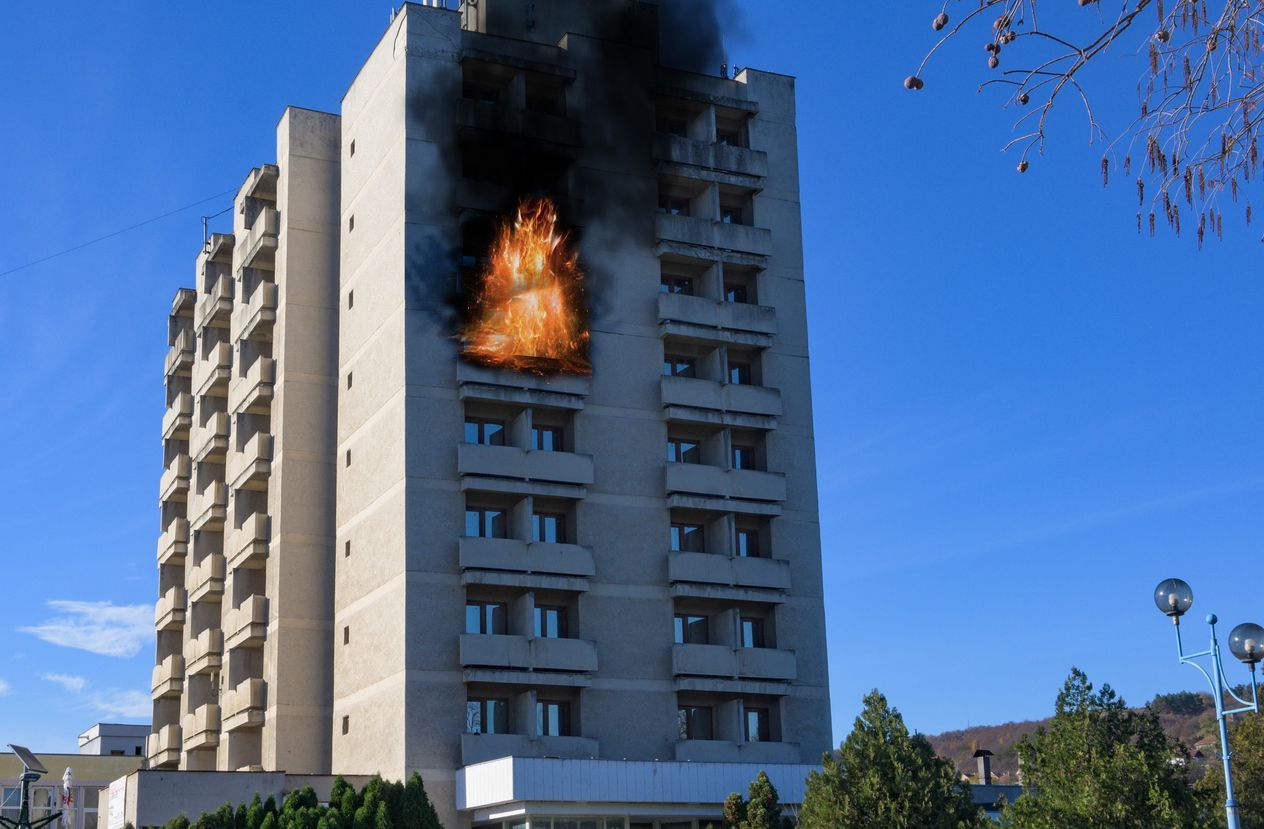
When a fire occurs in your healthcare facility, smoke and soot don't stay contained to the area where the fire started. Smoke particles are pulled through your HVAC system and distributed through ventilation ducts, spreading contamination to patient rooms, operating suites, laboratories and other areas of your facility far from the point of origin. In a matter of hours, a fire in one part of your building can compromise air quality and deposit soot residue throughout the entire facility.
Sterile environments, intensive care units and surgical suites have near-zero tolerance for airborne contamination. Smoke particles that would be a nuisance in an office building can compromise the sterility of a surgical suite, trigger respiratory distress in immunocompromised patients or render a cleanroom environment non-compliant with accreditation standards. A fast, comprehensive response from a professional
fire damage restoration company is critical to protect the safety of your patients.
Smoke and Soot Will Damage Medical Equipment
Soot is highly corrosive. The acidic compounds left behind by smoke begin attacking metal surfaces, circuit boards and sensitive components within hours of exposure. The longer soot residue sits on medical equipment, the more damage it causes and in many cases, that damage may be irreversible.
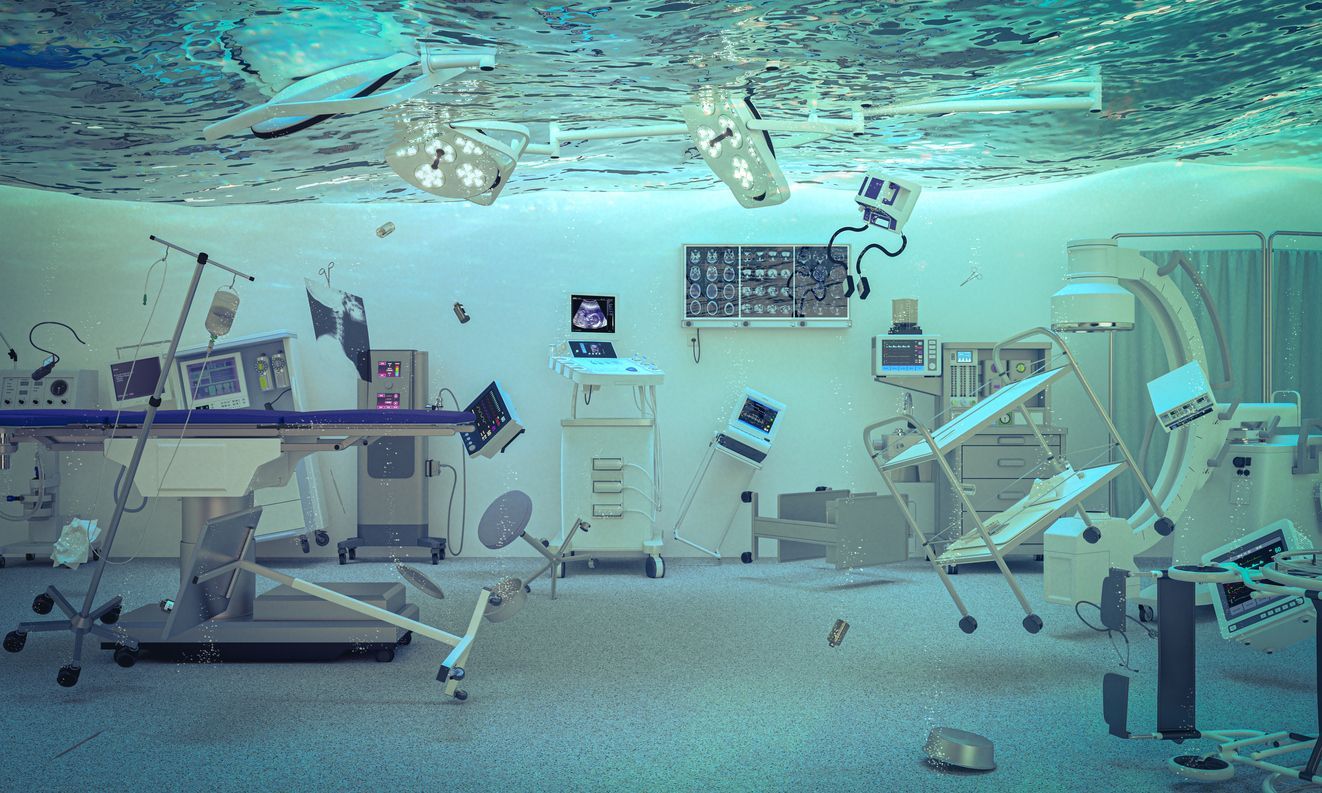
Imaging systems, ventilators, patient monitoring equipment and laboratory instruments all contain precision electronics housed in enclosures that are designed to protect against dust and moisture, but not smoke infiltration. Fine soot particles can work their way into these housings, coating internal components and causing electrical shorts, calibration failures and mechanical malfunctions. Your equipment may appear unaffected on the outside, but it may be compromised internally due to soot damage.
The risks extend beyond equipment damage. Medical devices that have been exposed to smoke and soot, but not properly assessed and cleaned, may malfunction during patient care without warning. A ventilator that fails or a monitoring system that gives inaccurate readings can directly impact patient outcomes. Any equipment exposed to smoke or soot should be taken out of service and evaluated by a qualified fire damage restoration professional before being returned to use.
Smoke and Soot Negatively Impact Indoor Air Quality
Smoke leaves behind a complex mix of fine particles, toxic gases and chemical residues that linger in the air long after a fire is extinguished. Immunocompromised patients, surgical patients and those with respiratory conditions are highly sensitive to these airborne contaminants. Fine soot particles that are invisible to the naked eye can penetrate deep into the lungs, triggering respiratory distress and complicating recovery. In sterile environments, even low levels of airborne contamination can compromise the integrity of a procedure or treatment.
Your HVAC system compounds the problem. If smoke has been pulled through your ventilation ducts, your system will continue redistributing soot particles and chemical residues throughout the facility every time it runs. Without proper remediation from a professional fire damage restoration company, your air quality issues will persist and spread, and the health and safety of your patients will continue being impacted over time.
Healthcare facilities are also subject to strict air quality standards under Joint Commission and CMS guidelines. Smoke and soot contamination that goes unaddressed can put your facility out of compliance, creating accreditation risks on top of the immediate health and safety concerns.
Standard Cleaning Methods Aren’t Sufficient to Eliminate Smoke and Soot Damage
Smoke and soot damage in a healthcare facility cannot be addressed with standard janitorial or in-house maintenance cleaning. General cleaning methods remove visible surface residue, but soot particles penetrate porous materials, infiltrate equipment housings and embed themselves in ventilation systems in ways that ordinary cleaning practices can’t address.
Soot residue that isn't fully removed continues to corrode surfaces and release toxic compounds into the air. Without professional fire damage restoration services, you’ll create ongoing risks to patients, staff and equipment. Proper smoke and soot damage remediation requires specialized techniques and equipment, including:
- HEPA air scrubbers to capture fine airborne particles
- Thermal imaging to identify heat damage that isn't visible to the naked eye
- Chemical sponges to lift dry soot from surfaces without spreading it further
It also requires experience working in healthcare settings specifically. A qualified fire damage restoration company understands the increased sanitary requirements of a healthcare facility, can work around active patient care areas and knows the air quality and safety standards your facility is required to meet.
Criteria to Evaluate When Choosing a Fire Damage Restoration Company for Your Healthcare Facility
Not every fire damage restoration company has the experience or capabilities to work effectively in a healthcare environment. When evaluating restoration partners, prioritize companies that meet the following criteria:
- IICRC Certification – This certification ensures your restoration partner has completed the proper training and uses the most advanced techniques and equipment for smoke and soot remediation.
- Documented Experience Working in Healthcare Facilities – A restoration company that regularly works in hospitals and clinical environments understands how to work around active patient care, your compliance requirements and the heightened sanitary standards your facility must maintain.
- Equipment and Protocols – Proper smoke and soot remediation in a healthcare setting requires HEPA air scrubbers, thermal imaging and advanced odor mitigation protocols to eliminate smoke residues from walls, ceilings and HVAC systems. A qualified restoration company should be able to walk you through their process in detail.
- Experience Coordinating with Insurance Companies – A restoration partner that manages the claims documentation on your behalf ensures this process is handled correctly and facilitates a smoother claims process.
HRS Restoration Can Help
HRS Restoration is the leading fire damage restoration company in the Denver metro area with over 50 years of experience. We regularly work with healthcare facilities and understand the unique challenges associated with addressing smoke and soot damage in environments that must adhere to the highest sanitary standards. In addition to providing comprehensive fire damage restoration services, our team also provides a wide range of healthcare specific services, including infection control and outbreak mitigation, ICRA containment, scab patching and fire caulking.
We offer 24/7 emergency response services and have a two-hour response time in the Denver metro area. Our team of IICRC-certified technicians will arrive at your healthcare facility shortly after receiving your call, ready to begin work. We’ll document all damage and coordinate with the insurance company on your behalf to ensure the claims process is handled correctly.
HRS is a subsidiary of
Haselden Construction, a third-generation, family-owned Colorado company with over 50 years of experience. Our affiliation with Haselden ensures all work is performed in-house, allowing you to benefit from competitive pricing, faster turnaround times and a smoother process. In addition, all our work is performed according to the high quality standards Haselden has become known for, giving you peace of mind that the job will be performed right.
Contact us today for immediate fire damage restoration help. HRS Restoration serves healthcare facilities in Denver and the surrounding areas.
Frequently Asked Questions
How does smoke and soot spread through a healthcare facility after a fire?
Smoke particles are pulled through your HVAC system and distributed through ventilation ducts, depositing soot residue in patient rooms, operating suites, laboratories and other areas far from where the fire started. A fire in one part of your facility can compromise air quality and contaminate surfaces throughout the entire building within hours.
How does soot damage medical equipment?
Soot is highly corrosive. The acidic compounds it leaves behind begin attacking metal surfaces, circuit boards and sensitive components within hours of exposure. Fine soot particles can infiltrate equipment housings and cause electrical shorts, calibration failures and mechanical malfunctions, even in equipment that appears unaffected on the outside.
Why is smoke and soot damage a greater risk in healthcare facilities than other buildings?
Healthcare facilities house immunocompromised patients, sterile environments and life-critical equipment that have near-zero tolerance for airborne contamination. Smoke particles that would be a nuisance in an office building can compromise surgical suite sterility, trigger respiratory distress in vulnerable patients and put your facility out of compliance with Joint Commission and CMS air quality standards.
Why can't standard cleaning methods address smoke and soot damage in a healthcare facility?
General cleaning removes visible surface residue but cannot reach soot particles that have penetrated porous materials, infiltrated equipment housings or embedded themselves in ventilation systems. Proper remediation requires specialized equipment including HEPA air scrubbers, thermal imaging and chemical sponges, along with experience working within the sanitary and compliance requirements of a healthcare environment.
What should you look for in a fire damage restoration company for your healthcare facility?
Prioritize companies with IICRC certification, documented experience working in hospitals and clinical environments, and the specialized equipment required for smoke and soot remediation. Your restoration partner should also be able to coordinate the insurance claims process on your behalf and demonstrate a clear understanding of healthcare compliance and air quality standards.